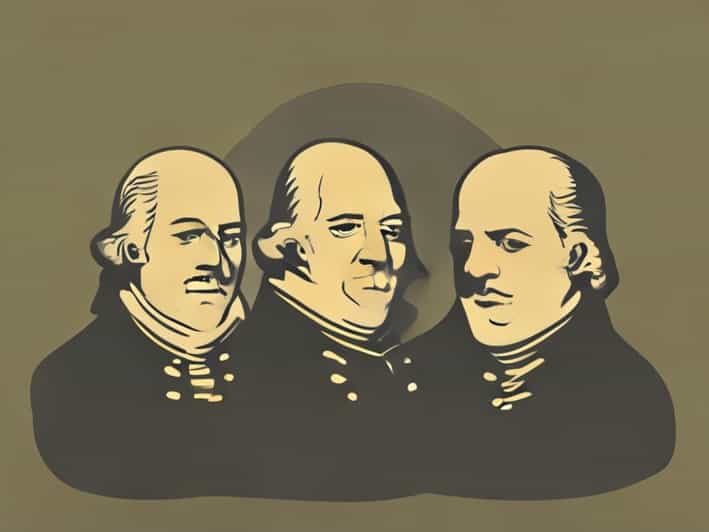
The First Continental Congress was a pivotal event in American history that marked the beginning of organized resistance against British colonial policies. Convened in 1774, it brought together representatives from twelve of the thirteen American colonies to discuss a unified response to the Intolerable Acts, which had been imposed by Britain following the Boston Tea Party. This congress was not a legislative body in the traditional sense, but a forum where colonial leaders could debate strategies, express grievances, and coordinate collective action. Understanding the First Continental Congress is essential to grasping the early stages of the American Revolution and the foundation of American unity and governance.
Background and Context
Before the First Continental Congress convened, tensions between the American colonies and Great Britain were escalating. The British government had enacted several laws, including the Coercive Acts of 1774, designed to punish Massachusetts for the Boston Tea Party and assert control over colonial affairs. Colonists viewed these measures as unjust, threatening their liberties, and undermining local governance. In response, leaders from the colonies recognized the need to meet collectively to discuss a unified strategy for resistance and to protect their rights.
The Intolerable Acts
The Intolerable Acts, also known as the Coercive Acts, were a series of laws imposed by the British Parliament in 1774. They included
- The Boston Port ActClosed the port of Boston until damages from the Boston Tea Party were paid.
- The Massachusetts Government ActRestricted town meetings and increased royal control over the colony.
- The Administration of Justice ActAllowed British officials accused of crimes to be tried in Britain rather than in the colonies.
- The Quartering ActRequired colonies to house and supply British troops.
These acts galvanized colonial leaders to take action and seek solidarity among the colonies.
Convening the First Continental Congress
The First Continental Congress convened on September 5, 1774, at Carpenter’s Hall in Philadelphia, Pennsylvania. Delegates from twelve colonies attended, with Georgia being the only colony not represented. A total of 56 delegates participated, including notable figures such as George Washington, Patrick Henry, Samuel Adams, John Adams, and John Dickinson. The purpose of the congress was to coordinate a response to British policies, assert colonial rights, and explore potential solutions to the growing conflict with Britain.
Goals and Objectives
The delegates at the First Continental Congress had several key objectives
- Express GrievancesFormally communicate complaints about British policies and assert the colonies’ rights.
- Coordinate ResistanceDevelop strategies to resist British authority, including economic measures like boycotts.
- Encourage UnityStrengthen colonial solidarity and ensure cooperation among the diverse colonies.
- Seek RedressPetition the British crown for the repeal of oppressive laws while maintaining loyalty to the monarchy.
Major Decisions and Actions
During its seven-week session, the First Continental Congress made several significant decisions that shaped the course of colonial resistance. Among the most notable were
The Declaration and Resolves
The Declaration and Resolves, adopted on October 14, 1774, outlined the rights of the colonies and their grievances against British policies. It asserted that the colonies had the right to self-governance, to levy taxes through their own legislatures, and to enjoy the same rights as Englishmen. The document also emphasized the colonies’ loyalty to the king while demanding the repeal of the Intolerable Acts.
The Continental Association
Another important outcome was the creation of the Continental Association, which called for a comprehensive boycott of British goods. This included
- Suspending imports of British goods.
- Stopping exports to Britain.
- Enforcing the boycott through local committees in each colony.
The Continental Association was designed to apply economic pressure on Britain and demonstrate colonial unity in resisting unfair policies.
Petition to the King
The congress also drafted a petition to King George III, known as the Petition to the King, urging him to address colonial grievances and repeal the Intolerable Acts. Although the petition maintained loyalty to the crown, it represented a formal appeal for justice and acknowledgment of colonial rights.
Significance of the First Continental Congress
The First Continental Congress had lasting impacts on the American colonies and the eventual path toward independence. Its significance can be understood in several key areas
Unity Among Colonies
The congress fostered unprecedented cooperation among the colonies, creating a sense of shared purpose and collective identity. By working together to coordinate resistance and communicate grievances, the colonies laid the groundwork for a united front against Britain.
Organized Resistance
The creation of the Continental Association and the coordination of economic boycotts demonstrated the colonies’ ability to organize effective resistance. These actions showed Britain that the colonies were serious about defending their rights and capable of collective action.
Foundation for Future Governance
Although the First Continental Congress did not have formal legislative authority, it established a model for intercolonial cooperation and decision-making. This would later serve as a foundation for the Second Continental Congress, which eventually declared independence and created the framework for the United States government.
Influence on the Revolutionary Movement
The congress also set the stage for the American Revolution by increasing tensions with Britain and demonstrating that the colonies could act independently. The actions taken and decisions made during the First Continental Congress inspired further resistance and helped mobilize public support for eventual independence.
The First Continental Congress was a critical turning point in American history, marking the first organized, collective action by the colonies against British rule. By convening delegates, expressing grievances, coordinating economic boycotts, and petitioning the king, the congress demonstrated colonial unity, resilience, and commitment to self-governance. Its decisions laid the groundwork for the revolutionary movement, providing a model of cooperation and leadership that would guide the colonies through the challenges of the American Revolution. Understanding the First Continental Congress allows us to appreciate the early steps toward independence, the importance of unity, and the foundational principles that would shape the future United States.