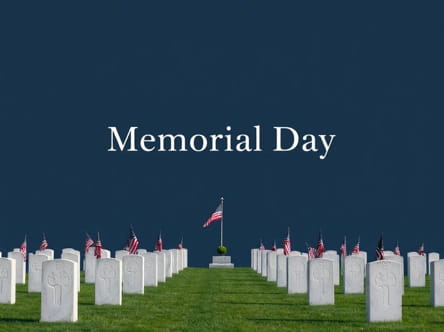
Every year, on the last Monday of May, people across the United States gather to observe Memorial Day. While often associated with backyard barbecues, parades, and the unofficial start of summer, the meaning of Memorial Day runs far deeper. It is a solemn occasion dedicated to remembering the men and women of the armed forces who made the ultimate sacrifice in service to their country. As the American flag is lowered to half-staff and families visit cemeteries to place flowers on graves, the true essence of Memorial Day is rooted in national mourning and heartfelt appreciation.
Origins of Memorial Day
The Aftermath of the Civil War
The origin of Memorial Day dates back to the years following the American Civil War, a conflict that claimed more lives than any war in U.S. history. In the wake of such loss, communities across the nation began holding informal tributes to the fallen. These commemorations included prayers, flowers, and remembrances at soldiers’ gravesites. By the late 1860s, these local traditions coalesced into a more unified practice of honoring the dead.
Decoration Day: The Early Name
Originally known as Decoration Day, the holiday got its name from the act of decorating the graves of soldiers with flowers. On May 30, 1868, General John A. Logan of the Grand Army of the Republic, a Union veterans’ organization, called for a national day of remembrance. The first large observance took place that same year at Arlington National Cemetery. Ceremonies included speeches, music, and volunteers decorating the graves of over 20,000 Union and Confederate soldiers.
The Evolution into Memorial Day
Honoring the Fallen from All Wars
Although it began as a way to commemorate those who died during the Civil War, the scope of the holiday widened over time. After World War I, Memorial Day began to include those who died in all American wars. From the beaches of Normandy to the mountains of Afghanistan, each conflict added new names to the collective memory honored each May.
A Federal Holiday
In 1971, Memorial Day was officially recognized as a federal holiday by Congress and was set to be observed on the last Monday in May. This change gave Americans a three-day weekend and contributed to the blending of solemn remembrance with recreational activities. Despite the shift, many veterans’ groups and families continue to emphasize the day’s original purpose to honor the military dead.
The Traditions of Memorial Day
Parades and Ceremonies
Across the country, towns and cities host Memorial Day parades featuring veterans, active-duty military personnel, marching bands, and local organizations. These parades often culminate in ceremonies at cemeteries or memorials. The National Memorial Day Concert in Washington, D.C., broadcast on television, is one of the most notable national observances.
The National Moment of Remembrance
To preserve the holiday’s meaning, Congress passed a resolution in 2000 creating the National Moment of Remembrance. At 3:00 p.m. local time, Americans are encouraged to pause for one minute of silence to reflect on the sacrifices made by members of the armed forces. This collective pause provides a powerful opportunity for unity and reflection.
Flags and Floral Tributes
On Memorial Day, American flags are flown at half-staff from dawn until noon to symbolize mourning. After noon, flags are raised to full-staff, representing the resolve of the nation to carry on in honor of the fallen. Many people also visit cemeteries to place flowers, wreaths, or miniature flags on graves, a practice that connects families to the generations that came before them.
The Meaning of Memorial Day Today
A Time for Reflection and Gratitude
While Memorial Day weekend may include family picnics or retail sales, its deeper purpose should not be overlooked. The day serves as a reminder of the cost of freedom and the individuals who paid that price. For many families who have lost loved ones in military service, Memorial Day is a day of profound personal meaning, filled with memories, grief, and pride.
Understanding the Difference
Memorial Day is sometimes confused with Veterans Day, but the two serve different purposes. Veterans Day, observed in November, honors all who have served in the military, both living and deceased. Memorial Day specifically honors those who died in military service. Recognizing this distinction helps preserve the integrity and significance of the holiday.
Educating the Next Generation
Teaching the History of Memorial Day
Ensuring that future generations understand the meaning of Memorial Day is crucial for preserving its legacy. Schools, museums, and historical societies often host educational programs leading up to the holiday. Children are taught about the history of American wars and the sacrifices made by service members. Encouraging participation in local events and visits to military cemeteries can help young people develop a deeper appreciation for the freedoms they enjoy.
Involving Communities
Community involvement plays a vital role in keeping Memorial Day meaningful. Volunteering to clean veterans’ graves, participating in flag-placing ceremonies, or attending local memorial services helps individuals connect to the holiday’s true intent. Churches, civic organizations, and veterans’ groups often take the lead in organizing these activities.
Why Memorial Day Matters
In a fast-paced world filled with distractions, Memorial Day offers a chance to pause and remember. It is a day not just for looking back, but for acknowledging the values that those sacrifices represent: duty, courage, and love of country. These ideals continue to shape the identity of the United States and inspire those who serve today. While the faces of the fallen may fade from memory, their legacy endures through the commitment of the living to honor their sacrifice.
The meaning of Memorial Day extends far beyond a long weekend or a change in seasons. It is a time for reflection, unity, and remembrance. Through its history and traditions, Memorial Day reminds Americans of the high cost of liberty and the responsibility to preserve it. Whether through a quiet moment of silence, participation in a community event, or teaching the next generation, honoring those who gave their lives ensures that their sacrifice is never forgotten. In doing so, Memorial Day continues to be a vital part of the nation’s collective soul, binding citizens together in gratitude and memory.