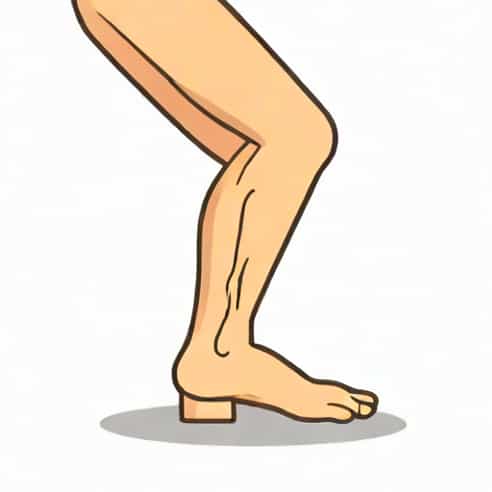
When swelling occurs in just one leg, it is medically referred to as unilateral leg edema. Unlike generalized swelling that affects both legs, unilateral swelling can be a sign of an underlying localized problem. Many people may dismiss it as a temporary issue, but in reality, unilateral leg edema can signify conditions that range from minor to potentially life-threatening. Understanding the possible causes, risk factors, and associated symptoms is crucial for early recognition and appropriate treatment.
What Unilateral Leg Edema Can Signify
Swelling in one leg should never be ignored. While some causes are benign, others demand urgent medical attention. The significance lies in identifying whether the swelling is related to fluid retention, inflammation, vascular issues, or structural damage within the leg. The location, severity, and accompanying symptoms provide important clues in determining the cause.
Deep Vein Thrombosis (DVT)
One of the most serious conditions unilateral leg edema can signify is a deep vein thrombosis. A DVT occurs when a blood clot forms in a deep vein, typically in the calf or thigh. This can lead to sudden swelling, pain, and warmth in the affected leg. Because a clot can break free and travel to the lungs, causing a pulmonary embolism, DVT is a medical emergency.
- Sudden swelling in one leg
- Pain or tenderness, often in the calf
- Skin that feels warm to the touch
- Red or discolored skin
Venous Insufficiency
Another common cause is chronic venous insufficiency, which occurs when the valves in the leg veins fail to function properly. This causes blood to pool in the lower leg, leading to swelling. Unlike DVT, venous insufficiency tends to develop gradually and may worsen throughout the day.
- Heaviness or aching in the leg
- Swelling that improves with leg elevation
- Skin changes, such as darkening or thickening
- Development of varicose veins
Lymphedema
Unilateral leg edema can also signify lymphedema, which occurs when the lymphatic system is unable to properly drain fluid. This can be due to congenital abnormalities, surgery, radiation therapy, or infection. Lymphedema often causes persistent, non-pitting swelling and thickened skin.
- Chronic swelling in one leg
- Skin that feels firm or leathery
- Increased risk of infections in the leg
- Slowly progressive enlargement of the limb
Infections
Cellulitis and other infections can lead to localized swelling in one leg. In these cases, unilateral edema is accompanied by pain, warmth, redness, and sometimes fever. Infection-related swelling typically develops quickly and requires prompt treatment with antibiotics.
Injury or Trauma
A fracture, sprain, or muscle injury can also cause unilateral swelling. Trauma leads to inflammation and fluid buildup in the affected leg. Swelling from injuries is usually localized, painful, and may be accompanied by bruising or reduced mobility.
Obstruction by Tumor or Mass
In some cases, unilateral leg edema can signify a tumor or mass pressing on blood vessels or lymphatic channels. This form of swelling usually develops gradually and may be associated with other symptoms such as unexplained weight loss or fatigue.
Risk Factors for Unilateral Leg Edema
Some people are more prone to developing swelling in one leg due to specific risk factors. Recognizing these factors can help in prevention and early diagnosis.
- Prolonged immobility, such as long flights or bed rest
- Obesity, which increases pressure on veins
- History of blood clots or venous disease
- Cancer or cancer treatments
- Previous leg surgery or trauma
How to Differentiate Between Causes
Since unilateral leg edema can signify multiple conditions, identifying the underlying cause requires careful assessment. Key differences can be observed through the pattern of swelling and associated symptoms.
- Sudden swelling with painSuggests deep vein thrombosis.
- Gradual swelling that worsens with standingIndicates venous insufficiency.
- Persistent, firm swellingSuggests lymphedema.
- Red, warm, and tender swellingConsistent with infection.
- Localized swelling after injuryPoints to trauma.
Diagnostic Approaches
When unilateral leg edema appears, medical evaluation is necessary. Doctors may use various tests to determine the underlying cause
- Doppler ultrasoundTo check for blood clots in the veins.
- VenographyImaging test to assess vein structure.
- LymphoscintigraphyTo evaluate lymphatic flow.
- Blood testsTo check for infections or clotting disorders.
- Physical examinationTo look for signs of trauma or skin changes.
Treatment Options
Treatment depends on the cause of unilateral leg edema. Each condition has specific approaches to reduce swelling and manage symptoms.
Treatment for DVT
Deep vein thrombosis requires immediate medical attention. Common treatments include anticoagulant medications to prevent clot growth, thrombolytic therapy in severe cases, and compression stockings to improve circulation.
Treatment for Venous Insufficiency
For chronic venous insufficiency, management includes lifestyle changes such as regular exercise, leg elevation, and compression stockings. In more advanced cases, surgical interventions or minimally invasive procedures may be necessary.
Treatment for Lymphedema
Lymphedema treatment focuses on improving lymphatic drainage. Approaches include manual lymphatic drainage massage, compression bandages, and specialized exercises. Skin care is also crucial to prevent infections.
Treatment for Infections
Infections like cellulitis require antibiotics, rest, and elevation of the affected leg. Severe infections may require hospitalization and intravenous antibiotics.
Treatment for Injury
For trauma-related swelling, treatment often involves rest, ice, compression, and elevation (RICE method). Pain relievers and physical therapy may also be recommended depending on the severity of the injury.
Treatment for Tumor-Related Swelling
If a mass or tumor is causing obstruction, treatment may involve surgery, chemotherapy, or radiation therapy, depending on the type and location of the growth.
When to Seek Medical Attention
Unilateral leg edema can sometimes be harmless, but in many cases, it signifies a more serious condition. Medical attention should be sought if
- Swelling appears suddenly and is severe
- There is pain, redness, or warmth in the leg
- Breathing difficulties occur, which may suggest pulmonary embolism
- The swelling does not improve with rest and elevation
- There are additional symptoms such as fever or unexplained weight loss
Unilateral leg edema can signify a wide range of conditions, from minor injuries to life-threatening blood clots or cancer-related complications. Recognizing the potential causes, associated risk factors, and warning signs can make a major difference in outcomes. While some causes are easily treated, others require urgent medical intervention. Paying attention to the body’s signals and seeking professional advice ensures timely diagnosis and proper care, making it possible to manage or resolve the underlying condition effectively.