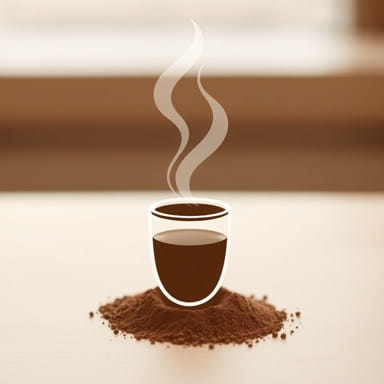
Espresso powder is a powerful ingredient often found in the kitchens of both bakers and coffee enthusiasts. It’s not just finely ground coffee it’s a deeply concentrated flavor booster that can elevate chocolate desserts, intensify sauces, or create bold rubs for meat. With its rich aroma and robust taste, espresso powder has a unique role that extends far beyond your morning cup. While it may look like instant coffee at first glance, it has very different culinary applications and a stronger, darker profile that makes it a favorite secret weapon in recipes.
Understanding Espresso Powder
Espresso powder, also known as instant espresso, is made from dark roasted coffee beans that have been brewed, dried, and ground into a fine powder. It is much more concentrated than regular instant coffee and is typically used as a flavor enhancer rather than a beverage base.
Its taste is intense, bold, and slightly bitter, with a deep roasted flavor that works well in both sweet and savory recipes. Unlike regular ground espresso, which needs to be brewed, espresso powder dissolves instantly in liquids, making it easy to use in cooking and baking.
How Espresso Powder Is Made
Step-by-Step Process
- Roasting: High-quality coffee beans are roasted darker than average to bring out rich, intense flavors.
- Brewing: The roasted beans are brewed into a concentrated espresso liquid.
- Drying: The brewed espresso is then dehydrated into a dry solid form.
- Grinding: The dried solids are ground into a very fine powder for easy dissolving in recipes.
This process helps preserve the strong coffee flavor while removing the moisture content, making espresso powder shelf-stable and easy to store.
Espresso Powder vs. Instant Coffee
Although espresso powder and instant coffee may seem similar, they serve different purposes and have notable differences in flavor and intensity.
- Flavor: Espresso powder has a darker, more concentrated flavor than instant coffee. It’s bolder and less acidic.
- Texture: Espresso powder is much finer and dissolves more quickly.
- Purpose: Instant coffee is designed to be mixed with water for drinking, while espresso powder is primarily used in recipes.
- Roast level: Espresso powder uses beans that are roasted darker than those used for typical instant coffee.
Culinary Uses of Espresso Powder
One of the reasons espresso powder is popular in cooking is its ability to intensify flavors without overpowering a dish. A little goes a long way, and its versatility makes it a staple in many recipes.
In Baking
Espresso powder is perhaps best known for its use in baking. It enhances chocolate by bringing out its deeper, more complex notes.
- Brownies: A small amount of espresso powder makes brownies richer and more flavorful.
- Chocolate cake: Adds depth and intensity to chocolate-based desserts without making them taste like coffee.
- Cookies: Used in chocolate chip or mocha cookies to give a more robust profile.
In Savory Dishes
Espresso powder isn’t limited to desserts it can also enhance savory recipes, especially those involving meat and spice rubs.
- Barbecue rubs: Blended with spices for a smoky, earthy flavor.
- Chili and stews: A pinch adds complexity and depth without being noticeable as coffee.
- Gravy and sauces: Balances sweetness and enhances umami elements.
In Beverages
Though not its primary use, espresso powder can be used in drinks if dissolved properly. It can add a coffee punch to smoothies, milkshakes, or hot chocolate.
How to Use Espresso Powder
Because of its intensity, espresso powder should be used sparingly. Most recipes call for only a teaspoon or less. Adding too much can lead to an overwhelming bitterness that overpowers the dish.
Tips for Usage
- Start with a small amount and adjust as needed.
- Mix with dry ingredients if baking, or dissolve in hot liquid for sauces.
- Pair with chocolate or other rich flavors for balance.
It is not recommended to use espresso powder as a direct coffee substitute for brewing, as the results will not match the taste or strength of a freshly pulled shot of espresso.
Where to Buy Espresso Powder
Espresso powder is available in most specialty baking aisles, gourmet food stores, or online. It may be labeled as instant espresso or baking espresso. Common brands include King Arthur and Medaglia d’Oro, but many grocery store chains carry their own versions.
Check the label to ensure it’s meant for baking or cooking, not just for making coffee. Look for ingredients that list only brewed coffee or espresso and not added sugars or flavors.
Storage and Shelf Life
To keep espresso powder fresh and aromatic, store it in an airtight container in a cool, dry place. Moisture is its biggest enemy, as it can cause clumping and flavor loss.
- Shelf life: Up to 1-2 years if stored properly.
- Storage tip: Use a resealable jar or spice tin to maintain freshness.
If the powder begins to lose its rich aroma, it may be time to replace it for best flavor results in recipes.
Making Homemade Espresso Powder
If you can’t find espresso powder in stores, you can make a version at home using used espresso grounds. While not exactly the same, it works in a pinch for baking needs.
Homemade Method
- Spread used espresso grounds on a baking sheet.
- Bake at a low temperature (around 200°F or 90°C) for 1-2 hours to dry completely.
- Once dried, grind the grounds into a fine powder using a spice grinder.
- Store in an airtight container.
Note: Homemade espresso powder may not be as fine or concentrated as commercial versions, so adjust quantities accordingly in recipes.
Health Considerations
Espresso powder contains caffeine, though in small amounts due to the small quantities typically used in recipes. If you’re sensitive to caffeine, be mindful of how much you use, especially in desserts eaten at night.
Otherwise, espresso powder does not add significant calories, fat, or sugar to dishes and can even contribute antioxidants found in coffee.
Espresso powder is a unique ingredient that delivers bold, concentrated coffee flavor with ease. Whether enhancing a batch of brownies or adding depth to a savory stew, this finely ground powder is a culinary powerhouse. It’s not just for coffee lovers bakers, cooks, and even mixologists can all benefit from having a jar of espresso powder on hand. With proper use and storage, it can become a reliable go-to for intensifying flavor and elevating dishes from ordinary to unforgettable.