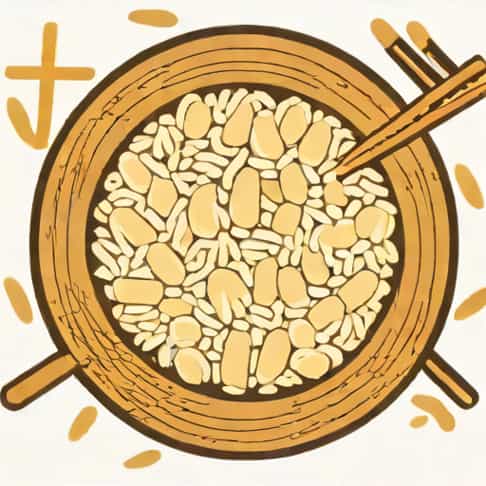
Glutinous rice is a staple ingredient in many Asian cuisines, known for its sticky texture and versatility in cooking. In the Philippines, glutinous rice is commonly referred to in Tagalog as malagkit. This type of rice is distinct from regular rice varieties because it contains a higher amount of amylopectin, a component of starch that gives it its characteristic sticky consistency. Glutinous rice is used in a wide array of Filipino dishes and delicacies, from sweet desserts to savory meals, and understanding its properties, preparation, and cultural significance is essential for appreciating its role in Filipino culinary traditions.
What is Glutinous Rice?
Glutinous rice, or sticky rice, is a type of short-grain rice that becomes very sticky when cooked. Despite the name, it does not contain gluten, so it is safe for people with gluten intolerance. Its stickiness makes it ideal for making rice cakes, desserts, and other traditional Filipino dishes. In Tagalog, the term malagkit not only refers to the rice itself but is often associated with foods that have a similar sticky texture. Malagkit rice is available in various forms, including white, black, and even purple varieties, each used for different culinary purposes.
Characteristics of Malagkit Rice
- Sticky TextureThe main characteristic that differentiates glutinous rice from regular rice.
- High Amylopectin ContentThis starch component is responsible for its sticky and chewy consistency.
- Short and Round GrainsUnlike long-grain rice, malagkit grains are typically shorter and plumper.
- Neutral FlavorMild taste makes it versatile for both sweet and savory dishes.
Uses of Glutinous Rice in Filipino Cuisine
Glutinous rice is an essential ingredient in many Filipino dishes. Its sticky and chewy texture is especially valued in traditional desserts and snacks, often paired with coconut milk, sugar, and other local ingredients. Malagkit rice is also used in savory dishes where it adds body and texture, such as in certain rice cakes and sticky rice meals.
Popular Filipino Dishes Made with Malagkit
- SumanA traditional Filipino rice cake made from glutinous rice, often wrapped in banana leaves and steamed. It can be served plain, with sugar, or topped with latik (coconut caramel).
- BikoA sweet rice cake made from malagkit rice, coconut milk, and brown sugar, usually served during special occasions and fiestas.
- Puto MayaA sticky rice delicacy from the Visayas region, usually served with ripe mangoes and hot chocolate or sikwate.
- KakaninA general term for Filipino rice-based snacks or desserts, most of which are made using malagkit rice.
- PalitawSmall, flat, sweet rice cakes made from glutinous rice dough, boiled and coated with grated coconut, sugar, and toasted sesame seeds.
How to Cook Malagkit Rice
Cooking glutinous rice requires different techniques compared to regular rice. Boiling or steaming is the most common method. Before cooking, malagkit rice is usually soaked in water for several hours to soften the grains, which helps achieve the desired sticky texture. Steaming is preferred over boiling for many traditional Filipino recipes, as it prevents the rice from becoming too mushy and ensures it maintains its unique chewiness.
Step-by-Step Preparation
- Rinse the RiceWash the malagkit rice thoroughly to remove excess starch and impurities.
- SoakSoak the rice in water for at least 3-4 hours or overnight for best results.
- DrainAfter soaking, drain the rice to remove excess water.
- SteamPlace the rice in a steamer lined with cheesecloth or banana leaves and steam for 30-45 minutes until tender and sticky.
- ServeUse immediately in recipes or as a base for desserts and kakanin dishes.
Nutritional Value of Glutinous Rice
Malagkit rice is a good source of carbohydrates, providing energy for daily activities. It contains minimal fat and protein, making it primarily an energy-rich food. Some varieties, such as black or purple glutinous rice, contain additional nutrients like antioxidants, fiber, and vitamins. However, due to its sticky nature and high carbohydrate content, it is recommended to consume malagkit rice in moderation, especially for those managing blood sugar levels.
Health Benefits
- Provides sustained energy due to high carbohydrate content.
- Easy to digest and gentle on the stomach.
- Can be paired with nutrient-rich ingredients like coconut milk, fruits, or beans for a balanced meal.
Cultural Significance of Malagkit Rice
Malagkit rice plays a vital role in Filipino culture, particularly in celebrations, religious events, and community gatherings. Traditional rice cakes and desserts made from glutinous rice are often served during fiestas, weddings, and holidays, symbolizing prosperity, unity, and togetherness. The preparation and sharing of malagkit rice dishes also strengthen familial and communal bonds, as these recipes are often passed down through generations.
Festivals and Traditions
In many regions of the Philippines, glutinous rice is central to local festivals. For example, during the Pahiyas Festival in Lucban, Quezon, rice cakes like suman and biko are prepared in abundance to honor farmers and celebrate a bountiful harvest. Similarly, malagkit rice desserts are commonly offered during Simbang Gabi, Christmas, and other special occasions, highlighting their importance in Filipino culinary heritage.
Glutinous rice, known as malagkit in Tagalog, is more than just a type of rice. It is a cultural icon and an essential ingredient in Filipino cuisine. Its sticky texture, versatility, and nutritional value make it ideal for a wide range of traditional dishes, from suman and biko to puto maya and palitaw. Beyond its culinary applications, malagkit rice holds cultural significance, symbolizing prosperity, celebration, and family unity. Understanding what glutinous rice is and how it is used in the Philippines provides insight into the rich culinary traditions and the daily lives of Filipinos. Whether enjoyed as a snack, dessert, or part of a festive meal, malagkit rice continues to play a central role in preserving and celebrating Filipino heritage.