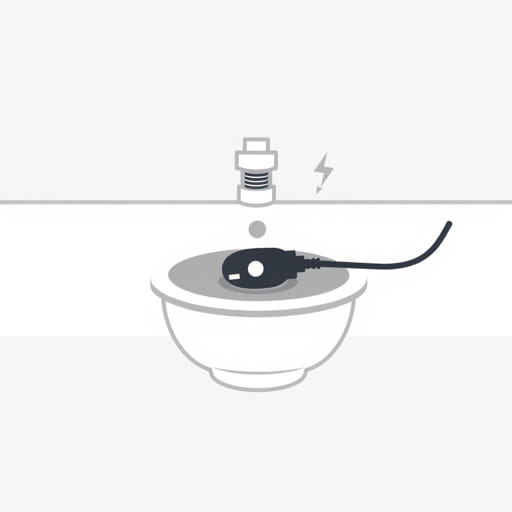
A garbage disposal is one of the most convenient appliances in any modern kitchen, grinding up food waste and keeping the sink clear of clogs and odors. But when it suddenly stops working, it can lead to frustration and confusion. Understanding why your garbage disposal is not working is essential for a quick fix or knowing when to call a professional. The issue might be mechanical, electrical, or even due to user error. This guide explores the most common reasons why a garbage disposal isn’t working and what you can do to get it running again.
Common Reasons a Garbage Disposal Stops Working
1. Power Supply Issues
One of the most frequent causes of a non-functional garbage disposal is a lack of power. This could be due to:
- A tripped circuit breaker in your electrical panel.
- A disconnected or loose power plug under the sink.
- An internal reset switch that has popped out.
Start by checking the reset button on the bottom of the unit. If it’s popped out, press it back in and try turning the unit on again. If it doesn’t work, check your circuit breaker and ensure the unit is plugged in securely.
2. Jammed Flywheel
If your garbage disposal hums but doesn’t grind, the flywheel may be jammed. This can happen when hard food scraps like bones, fruit pits, or utensils get stuck. Most units have a small hole underneath where you can insert a hex wrench to manually turn the flywheel and clear the jam.
3. Overheating and Auto-Shutoff
Garbage disposals have a built-in thermal overload protector that shuts the unit off if it overheats. Overheating usually occurs due to prolonged use or an obstruction. Letting the unit cool down for 15-20 minutes and then pressing the reset button often solves the issue.
4. Clogged Drain Line
Sometimes the garbage disposal itself works, but water doesn’t drain properly. This usually points to a clogged drain pipe rather than a problem with the disposal unit. Common causes include:
- Grease buildup inside the drain pipe.
- Large food ptopics that were not ground properly.
- Multiple items flushed down too quickly.
You can try using a plunger or drain snake to remove the blockage, but avoid using chemical drain cleaners as they may damage the unit.
Unusual Sounds from the Garbage Disposal
1. Humming Noise
If the disposal is humming but not spinning, it’s likely an internal jam or a stuck impeller. Unplug the unit and use the hex wrench to manually rotate the motor from underneath. This can often free the jam.
2. Grinding or Metallic Sounds
Hearing metal-on-metal sounds could mean a piece of silverware or a hard object fell into the unit. Always turn off the power before inspecting inside the disposal with tongs or pliers never use your hand.
Garbage Disposal Is Leaking
1. Leaks from the Top
If water is leaking from where the disposal connects to the sink flange, the mounting ring or seal may be worn out or loose. Tightening or replacing the sink flange can fix the problem.
2. Leaks from the Bottom
Leaks from the bottom of the unit typically indicate a cracked housing or failed internal seal. In this case, replacing the entire unit may be the most practical option.
3. Leaks from the Side
Leaks at the side where the disposal connects to the dishwasher or drain pipe are often caused by loose hose clamps or deteriorated gaskets. Re-securing the connections or replacing gaskets can usually fix it.
Garbage Disposal Won’t Turn On at All
1. Electrical Connection Problems
If pressing the switch does nothing no sound, no hum it’s likely an electrical issue. Confirm that the outlet works by plugging in another appliance. If not, reset the breaker or consider contacting an electrician.
2. Faulty Wall Switch
The wall switch that controls the disposal might be defective. Replacing the switch could resolve the issue if all other components are working fine.
3. Worn Out Motor
If the disposal is older and none of the above solutions work, the motor itself may be burned out. In such cases, replacement is often more cost-effective than repair.
Preventive Tips for Long-Term Use
1. Avoid Certain Food Waste
To prevent your garbage disposal from stopping in the future, avoid grinding the following:
- Fibrous foods like celery, corn husks, and banana peels.
- Starchy items like potato peels and rice.
- Grease, oil, and fats that can solidify in pipes.
- Eggshells, coffee grounds, and bones.
2. Use Cold Water
Always run cold water when operating the disposal. Cold water solidifies any fats or oils, making it easier for the blades to grind and flush them out.
3. Clean Regularly
Cleaning your garbage disposal every few weeks with baking soda and vinegar helps remove odors and buildup. Grinding citrus peels can also keep it smelling fresh.
When to Call a Professional
While many garbage disposal issues can be resolved with a bit of troubleshooting, there are times when it’s best to seek professional help:
- You suspect electrical wiring issues.
- The unit continues to trip the breaker.
- You see signs of extensive leaks or rust.
- The motor is completely non-functional.
A licensed plumber or appliance technician can inspect the system and provide expert solutions, ensuring safety and functionality.
A garbage disposal that stops working can be a major inconvenience, but many of the issues have straightforward fixes. From electrical resets to clearing jams, understanding the common problems helps reduce downtime and repair costs. Practicing proper disposal habits and performing occasional maintenance will keep your unit in top shape. If you’ve tried the above steps and the disposal still doesn’t work, don’t hesitate to get professional assistance. Keeping your kitchen running smoothly starts with taking care of the small things like a fully functional garbage disposal.