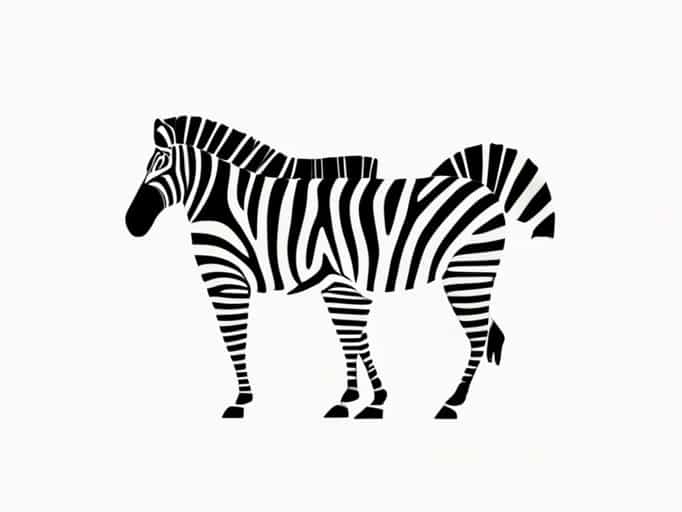
Zebras are among the most iconic and recognizable animals in the African savannah, celebrated for their striking black-and-white striped coats and social behavior. These animals are not only visually captivating but also biologically fascinating, with each species and subspecies adapted to specific habitats and environmental conditions. Understanding the diversity of zebra species and subspecies provides insight into their evolution, ecology, and the challenges they face in the wild. From the plains of East Africa to the woodlands and mountain regions, zebras exhibit unique behaviors and physical adaptations that allow them to thrive. This topic explores the different species of zebras, their subspecies, distinctive traits, and their roles in ecosystems.
Overview of Zebra Species
Zebras belong to the genusEquus, which includes horses and donkeys. Within this genus, zebras are classified into three main species the plains zebra, the Grevy’s zebra, and the mountain zebra. Each species has distinct physical characteristics, behaviors, and habitat preferences.
Plains Zebra (Equus quagga)
The plains zebra is the most common and widespread species of zebra, found throughout eastern and southern Africa. It is known for its bold, broad stripes that cover most of the body. The patterns of stripes can vary greatly among individuals, providing each zebra with a unique identity, which is thought to play a role in social recognition.
Plains zebras are highly social animals, often forming large herds that may include hundreds of individuals. They are herbivores, grazing mainly on grasses, and their group structure provides protection against predators such as lions, hyenas, and wild dogs.
Grevy’s Zebra (Equus grevyi)
The Grevy’s zebra is the largest and most endangered species of zebra. Native to the semi-arid regions of Ethiopia and northern Kenya, Grevy’s zebras have narrower stripes compared to plains zebras, and their belly is typically white. They have large, rounded ears and a more horse-like appearance, which distinguishes them from other species.
Unlike plains zebras, Grevy’s zebras tend to have a more solitary lifestyle or form small groups. Their diet consists mostly of grasses and leaves, and they require access to water sources, which can be scarce in their arid habitats. Conservation efforts for Grevy’s zebras are critical due to habitat loss, competition with livestock, and poaching.
Mountain Zebra (Equus zebra)
Mountain zebras are native to southern Africa and inhabit mountainous and hilly regions. They are slightly smaller than plains zebras and have distinctive narrow stripes that do not extend onto the belly, which is typically white. Mountain zebras are adapted to steep terrain, and their hooves provide excellent grip on rocky surfaces.
They live in smaller herds compared to plains zebras and show unique social behaviors, including territorial males who defend specific areas. Their diet consists of grasses and shrubs, and they can survive in areas where water is less abundant, showing remarkable adaptation to challenging environments.
Subspecies of Zebras
Each zebra species has subspecies that are often distinguished by geographic distribution, stripe patterns, and minor physical differences. Understanding subspecies helps in conservation and ecological studies.
Plains Zebra Subspecies
Plains zebras have several recognized subspecies, including
- Burchell’s zebra (Equus quagga burchellii)Found in southern Africa, it has lighter stripes and often faded patterns on the hindquarters.
- Chapman’s zebra (Equus quagga chapmani)Native to Botswana, Zimbabwe, and South Africa, it shows unique shadow stripes between the main black stripes.
- Selous’ zebra (Equus quagga borensis)Found in parts of Tanzania, it has distinct patterns that help differentiate it from other plains zebra subspecies.
- Other subspeciesInclude Crawshay’s zebra, Grant’s zebra, and quagga (extinct in the wild but historically native to South Africa).
Grevy’s Zebra Subspecies
Grevy’s zebras are considered monotypic, meaning they have no recognized subspecies. However, individual populations may show minor variations in size and stripe pattern due to environmental factors.
Mountain Zebra Subspecies
The mountain zebra is divided into two subspecies
- Hartmann’s mountain zebra (Equus zebra hartmannae)Found in Namibia and parts of Angola, it is adapted to arid mountainous areas.
- Cape mountain zebra (Equus zebra zebra)Native to South Africa, it is smaller and more endangered than Hartmann’s zebra, with a limited range in mountain reserves.
Unique Traits and Adaptations
Zebras’ stripes are one of the most discussed features among biologists. Theories suggest stripes help with camouflage, temperature regulation, social recognition, and even deterring biting flies. Each species and subspecies has variations in stripe width, density, and pattern, making them fascinating subjects for study.
Other adaptations include
- Strong teeth and digestive systems for grazing tough grasses
- Powerful legs for running and escaping predators
- Social structures for herd protection and cooperation
- Adaptation to diverse habitats, from savannahs to arid mountains
Conservation Status
Zebra populations face threats from habitat loss, hunting, and competition with livestock. Plains zebras are relatively abundant but are declining in certain areas. Mountain zebras are vulnerable, with some subspecies requiring strict conservation measures. Grevy’s zebras are endangered and rely on protected reserves and community conservation programs to survive.
Conservation efforts include
- Establishing national parks and reserves
- Community-based wildlife management
- Anti-poaching measures and monitoring
- Research on genetics and population dynamics
Zebras are remarkable creatures that illustrate the diversity and adaptability of African wildlife. Understanding their species and subspecies provides insight into their ecology, behavior, and conservation needs. From the social plains zebra to the rare Grevy’s zebra and the mountain-adapted subspecies, each type of zebra contributes to the richness of Africa’s ecosystems. Protecting these animals ensures that future generations can continue to study, admire, and benefit from the ecological and cultural significance of zebras in the wild.