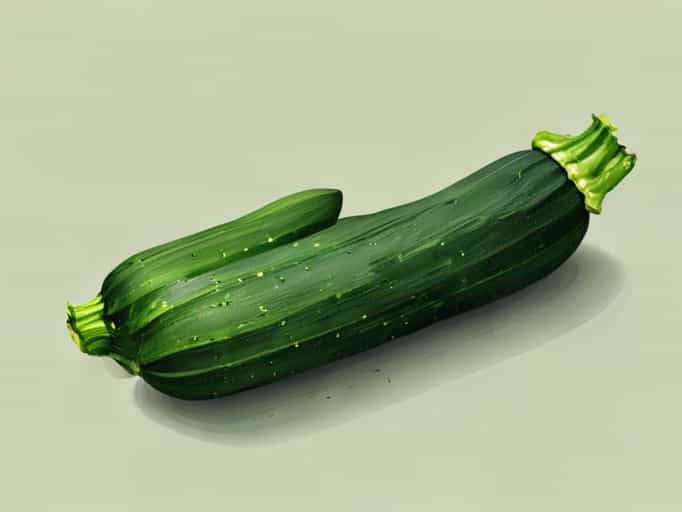
Zucchini is a popular summer squash, celebrated for its versatility in cooking, mild flavor, and nutritional benefits. However, one common issue that home cooks and gardeners encounter is zucchini becoming a little slimy. This sliminess can occur for a variety of reasons, from overcooking to natural chemical changes within the vegetable. While a slightly slimy texture does not always mean the zucchini is unsafe to eat, it can affect the taste, presentation, and overall enjoyment of meals. Understanding why zucchini develops this texture, how to prevent it, and how to make the most of slightly slimy zucchini can help both culinary enthusiasts and home cooks use this vegetable effectively in their recipes.
Why Zucchini Becomes Slimy
There are several factors that can cause zucchini to develop a slimy texture. One primary reason is overcooking, especially when zucchini is boiled or sautéed for too long. Zucchini has a high water content, which is released when it is cooked, resulting in a mushy or slimy texture. Another contributing factor is the natural enzymatic breakdown of the vegetable, particularly when it is stored for extended periods. Enzymes in zucchini can start to break down cell walls, releasing moisture and causing a slick or slimy feel. Improper storage, such as keeping zucchini in a humid environment or in a sealed container, can also accelerate sliminess.
- Overcooking releases water, creating a slimy texture.
- Enzymatic breakdown occurs during storage, increasing moisture.
- High humidity or airtight storage can promote sliminess.
- Old or overripe zucchini is more prone to becoming slimy.
Signs That Zucchini Is Too Slimy
Identifying when zucchini is too slimy to eat is important for food safety and quality. Fresh zucchini should have a firm, smooth skin and feel slightly crisp when pressed. If the surface is sticky, wet, or has an unusual sheen, this can indicate excess moisture and breakdown. A strong or sour odor may accompany extreme sliminess, suggesting spoilage. Additionally, visible mold or discoloration along with sliminess is a clear sign that the zucchini should not be consumed. Recognizing these signs helps prevent unpleasant meals and potential foodborne illness.
- Sticky, wet, or shiny surface indicates excess moisture.
- Soft or mushy texture when pressed.
- Foul or sour odor may indicate spoilage.
- Visible mold or discoloration signals the zucchini is unsafe.
Preventing Zucchini from Becoming Slimy
Proper handling and cooking techniques can help prevent zucchini from becoming slimy. When storing zucchini, it is best to keep it in a cool, dry place, preferably in a perforated plastic bag or loosely wrapped in a paper towel. Avoid sealing zucchini in airtight containers for long periods. Cooking methods also impact texture; steaming or sautéing zucchini quickly at medium heat preserves firmness and prevents excess water release. Cutting zucchini into uniform pieces ensures even cooking, and avoiding overcrowding the pan can reduce moisture buildup. Additionally, salting zucchini lightly and letting it rest can draw out excess water before cooking, preventing a soggy or slimy result.
- Store in a cool, dry place with ventilation.
- Use quick cooking methods like sautéing or steaming.
- Cut into uniform pieces for even cooking.
- Lightly salt and rest to remove excess water.
- Avoid overcrowding the pan to reduce moisture buildup.
Culinary Uses for Slightly Slimy Zucchini
Even when zucchini is a little slimy, it can still be used in certain dishes. Recipes that incorporate moisture or a soft texture are ideal for slightly slimy zucchini. For example, zucchini can be added to soups, stews, or casseroles, where the texture blends with other ingredients. Pureeing slimy zucchini for sauces, dips, or baby food is another effective option, as the consistency will not negatively impact the final dish. Baking zucchini into muffins, bread, or fritters can also accommodate a softer texture, with the moisture contributing to a tender crumb. By choosing recipes that embrace the water content of zucchini, cooks can avoid waste and still enjoy the nutritional benefits.
- Use in soups, stews, and casseroles.
- Puree for sauces, dips, or baby food.
- Bake into muffins, bread, or fritters.
- Combine with other vegetables to balance texture.
- Enhances moisture in recipes that require a soft consistency.
Nutritional Value of Zucchini
Zucchini is low in calories but rich in essential nutrients, making it a healthy addition to meals even when slightly slimy. It is an excellent source of vitamin C, potassium, and dietary fiber. The high water content contributes to hydration and a feeling of fullness, while antioxidants help combat oxidative stress. Using zucchini in recipes preserves its nutritional benefits, particularly when it is incorporated raw, lightly cooked, or baked. Even if zucchini becomes a little slimy, the vitamins, minerals, and fiber remain largely intact, allowing it to continue contributing to a balanced diet.
- Low in calories, high in water content for hydration.
- Rich in vitamin C, potassium, and dietary fiber.
- Contains antioxidants that support overall health.
- Maintains nutritional value even when slightly soft or slimy.
- Versatile for inclusion in a wide range of healthy dishes.
Tips for Selecting Fresh Zucchini
Choosing fresh zucchini is key to preventing sliminess. Look for zucchini that is firm, smooth-skinned, and free from blemishes, cuts, or soft spots. Smaller to medium-sized zucchini are often less watery and more flavorful. Check the stem end for freshness; a green, healthy-looking stem indicates recently harvested produce. Avoid zucchini with wrinkled skin or a dull appearance, as these are signs of age or dehydration. By selecting high-quality zucchini at the start, you can minimize the likelihood of slimy texture during storage or cooking.
- Select firm, smooth-skinned zucchini with no blemishes.
- Choose smaller to medium-sized vegetables for better texture.
- Check the stem for freshness and color.
- Avoid wrinkled or dull-looking zucchini.
- Use promptly after purchase to maintain quality.
Zucchini a little slimy is a common issue that can be managed with proper selection, storage, and cooking techniques. Understanding why zucchini becomes slimy allows home cooks to take preventive measures and still make use of the vegetable in suitable recipes. Whether incorporated into soups, baked goods, or pureed for sauces, slightly soft zucchini can continue to provide flavor, texture, and nutrition. By following tips for selecting fresh produce and handling it correctly, individuals can enjoy zucchini at its best, minimizing waste and maximizing its culinary and health benefits. Embracing zucchini’s versatility ensures that even when it is a little slimy, it can remain a valuable and enjoyable ingredient in everyday meals.