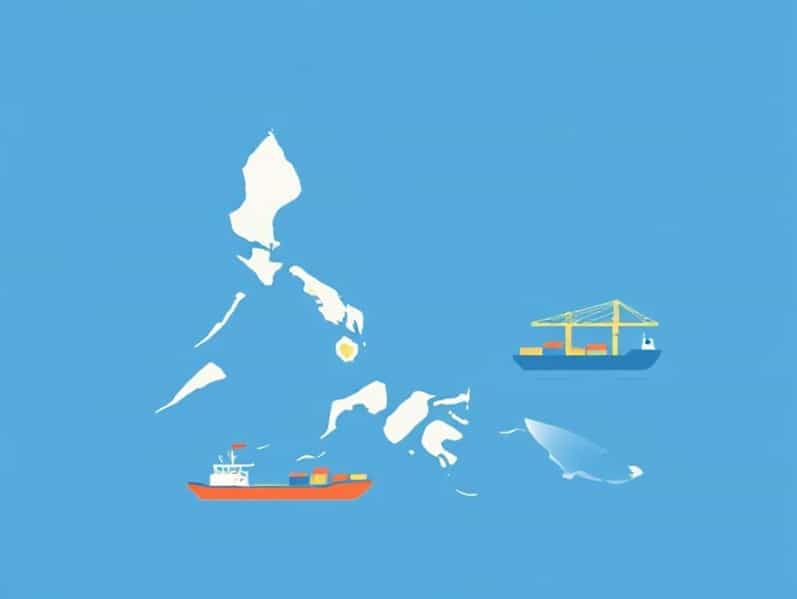
The Philippines has long been recognized as a strategic location for maritime trade, positioned at the heart of Southeast Asia and serving as a gateway between the Pacific Ocean and other major Asian trading hubs. One of the significant developments in the country’s maritime sector is the establishment of transshipment ports designed to facilitate efficient cargo transfer, reduce congestion in major ports, and enhance the country’s role in global logistics networks. Asia Transshipment Port Philippines represents a critical component of this vision, aiming to strengthen the nation’s shipping infrastructure while providing faster, more reliable services to international and domestic traders alike.
Overview of Asia Transshipment Port Philippines
Asia Transshipment Port Philippines is envisioned as a modern, high-capacity port capable of handling large volumes of containerized cargo efficiently. Unlike traditional ports that primarily focus on imports and exports, a transshipment port is designed to serve as an intermediate hub where cargo from larger vessels is transferred to smaller feeder ships for delivery to regional destinations. This approach significantly optimizes shipping routes and reduces overall transportation costs for global trade.
Strategic Location
The Philippines’ geographic position makes it an ideal candidate for a transshipment hub. Situated along major shipping lanes connecting East Asia, Southeast Asia, and Oceania, the country can serve as a pivotal stop for vessels traveling between major ports such as Singapore, Hong Kong, Shanghai, and ports in Australia. By establishing a state-of-the-art transshipment port, the Philippines can capitalize on this strategic advantage, attracting international shipping lines and enhancing its role in regional trade.
Key Features of the Port
The Asia Transshipment Port Philippines incorporates modern infrastructure, advanced technology, and efficient operational protocols to support its role as a leading logistics hub. Several key features distinguish it from conventional ports
High-Capacity Container Terminals
The port is equipped with high-capacity container terminals capable of handling large volumes of cargo efficiently. Modern cranes, automated stacking systems, and optimized yard management ensure quick turnaround times for vessels, minimizing delays and maximizing throughput. These capabilities are crucial for attracting major shipping lines that require reliable and fast services.
Efficient Transshipment Operations
Unlike traditional cargo handling, transshipment requires precise coordination to transfer containers from large mother vessels to smaller feeder ships without unnecessary delays. The port employs advanced logistics software and real-time tracking systems to streamline these operations, ensuring that cargo moves swiftly and accurately between vessels. This efficiency enhances the competitiveness of the port in the regional maritime industry.
Connectivity and Accessibility
Asia Transshipment Port Philippines is designed with excellent connectivity in mind. Road networks, rail links, and feeder services are integrated to facilitate the smooth movement of cargo to and from the port. Proximity to industrial zones and commercial centers ensures that goods can reach their final destinations quickly, supporting both domestic and international trade.
Economic Impact
The establishment of a major transshipment port in the Philippines has significant economic implications. It not only improves trade efficiency but also creates opportunities for employment, industrial development, and foreign investment. Local businesses benefit from improved access to international markets, while the government gains increased revenue from port operations and related industries.
Job Creation and Industrial Growth
Developing and operating a transshipment port requires a wide range of skilled labor, from logistics managers and crane operators to IT specialists and maritime engineers. This demand generates employment opportunities for local communities, contributing to economic growth and skill development. Additionally, the presence of a world-class port can attract industrial investments, such as warehousing, packaging, and manufacturing facilities, further boosting the local economy.
Boosting Trade and Logistics
By reducing congestion in traditional ports and providing faster cargo handling, Asia Transshipment Port Philippines enhances the efficiency of trade in the region. Importers and exporters benefit from shorter transit times, lower costs, and more reliable scheduling, which in turn improves the competitiveness of Filipino businesses in the global market.
Environmental Considerations
Modern transshipment ports must balance operational efficiency with environmental sustainability. Asia Transshipment Port Philippines incorporates measures to minimize its ecological footprint, including advanced waste management systems, emission-reducing technologies, and environmentally friendly construction practices. By implementing sustainable strategies, the port aims to support economic growth while preserving the surrounding marine and coastal ecosystems.
Emission Control and Clean Energy
The port integrates green technologies such as electric cranes, energy-efficient lighting, and solar power systems to reduce carbon emissions. These initiatives align with international standards for sustainable port operations, positioning the Philippines as a responsible player in global maritime logistics.
Marine Conservation Efforts
Recognizing the sensitivity of coastal ecosystems, the port development plan includes measures to protect marine biodiversity. This involves careful dredging practices, monitoring water quality, and preserving natural habitats around the port area. Such initiatives ensure that economic development does not come at the expense of environmental degradation.
Challenges and Future Prospects
While the potential benefits of Asia Transshipment Port Philippines are substantial, several challenges must be addressed to ensure its success. These include competition from established regional hubs, infrastructure development, regulatory compliance, and attracting international shipping lines. Effective planning, investment in technology, and collaboration with global maritime stakeholders are crucial to overcoming these challenges.
Competition from Regional Ports
Singapore, Hong Kong, and other Southeast Asian ports are already established transshipment hubs with significant experience and infrastructure. To compete, the Philippines must offer superior services, lower costs, and strategic advantages such as faster turnaround times and reliable logistics support.
Infrastructure and Investment
Developing a high-capacity transshipment port requires substantial investment in infrastructure, including berths, cranes, warehouses, and transport links. Public-private partnerships and government support are essential to finance and maintain such a complex facility while ensuring long-term sustainability.
Regulatory Compliance and Safety
International shipping lines prioritize safety and compliance with maritime regulations. Asia Transshipment Port Philippines must adhere to global standards, including customs protocols, security measures, and health regulations, to attract and retain major clients. Ongoing training and monitoring are key components of this strategy.
Asia Transshipment Port Philippines represents a transformative development in the country’s maritime and logistics sector. By leveraging its strategic location, modern infrastructure, and efficient transshipment operations, the port aims to become a leading hub in Southeast Asia, enhancing trade connectivity and economic growth. With careful planning, investment, and sustainable practices, the port can attract international shipping lines, reduce congestion in traditional ports, and provide a reliable, cost-effective solution for cargo transfer across the region. As the Philippines continues to expand its maritime capabilities, Asia Transshipment Port Philippines is poised to play a pivotal role in strengthening the nation’s position in global trade networks, driving industrial development, and supporting long-term economic prosperity.