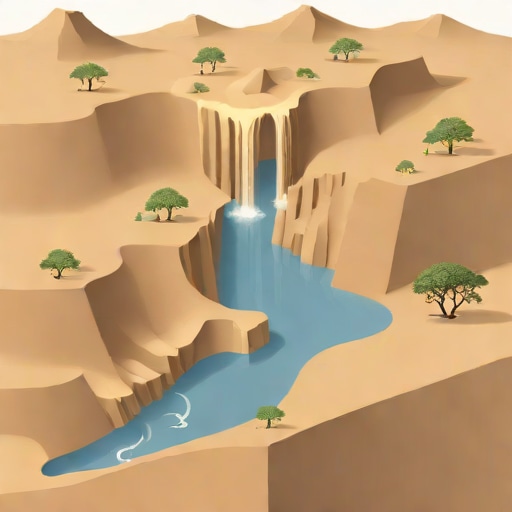
Basaltic plateaus are some of the most striking geological formations on Earth, characterized by vast expanses of flat or gently undulating land formed primarily from basaltic lava. These plateaus can cover hundreds to thousands of square kilometers, creating dramatic landscapes that often extend over large regions. Their formation is closely linked to volcanic activity, tectonic processes, and the unique properties of basaltic magma, which allows it to flow over great distances before solidifying. Understanding how basaltic plateaus occur provides insight into Earth’s volcanic history, the behavior of magma, and the dynamic processes that shape the planet’s surface over millions of years. These plateaus are not only significant from a geological perspective but also play important roles in ecosystems, human settlement, and natural resource distribution.
Understanding Basaltic Magma
The formation of basaltic plateaus begins with the generation of basaltic magma. Basalt is an igneous rock rich in iron and magnesium but low in silica, giving it a relatively low viscosity compared to other types of lava, such as andesitic or rhyolitic magma. This low viscosity allows basaltic lava to flow easily across the Earth’s surface, covering vast areas before cooling and solidifying. The properties of basaltic magma are essential for the creation of the extensive and uniform layers characteristic of basaltic plateaus.
Sources of Basaltic Magma
Basaltic magma originates in the Earth’s mantle, typically at depths of 50 to 200 kilometers, where temperatures and pressures are sufficient to partially melt mantle rocks. This process often occurs in regions of tectonic divergence, such as mid-ocean ridges, continental rifts, or hotspots. Once the magma forms, it rises through fractures in the Earth’s crust due to buoyancy, eventually reaching the surface where it erupts as lava. The high volume and fluidity of these basaltic flows contribute to the development of large plateau structures over extended periods.
Formation Processes of Basaltic Plateaus
Basaltic plateaus can form through several geological processes, all of which involve the eruption of extensive basaltic lava flows. The accumulation of multiple lava flows over time is key to building the thick, layered structures observed in these plateaus.
Flood Basalt Eruptions
One of the primary mechanisms behind basaltic plateau formation is flood basalt volcanism. Flood basalts are produced during massive volcanic eruptions that release enormous volumes of basaltic lava in relatively short geological timeframes. These eruptions can cover thousands of square kilometers, creating thick, extensive layers. Examples of flood basalt provinces include the Deccan Traps in India and the Columbia River Basalt Group in the United States. Each eruption may last days to weeks, but the cumulative effect of repeated flows over millions of years results in the characteristic plateau morphology.
Layering and Accumulation
As successive lava flows spread and solidify, they form layers of basalt several meters thick. Over time, the accumulation of these layers produces a plateau with a relatively uniform surface. Cooling cracks and columnar jointing may form within each layer, adding distinctive geological features. The layering also influences erosion patterns, drainage systems, and soil development, all of which impact the plateau’s long-term stability and ecological characteristics.
Tectonic Uplift
In addition to volcanic activity, tectonic uplift can play a role in the formation of basaltic plateaus. Uplift occurs when large sections of the Earth’s crust are raised due to tectonic forces, often in conjunction with lava accumulation. Uplifted basaltic plateaus may exhibit steep edges or escarpments, creating dramatic topography. The combination of flood basalt deposition and tectonic processes can result in some of the largest and most elevated plateaus on Earth.
Characteristics of Basaltic Plateaus
Basaltic plateaus exhibit distinct features that differentiate them from other types of plateaus or volcanic landscapes. These characteristics reflect both the nature of basaltic lava and the geological processes involved in their formation.
Extensive Flat Surfaces
The most recognizable feature of basaltic plateaus is their broad, flat, or gently sloping surfaces. The low viscosity of basaltic lava allows it to travel long distances before cooling, resulting in the formation of large, continuous sheets. These flat expanses often make basaltic plateaus ideal for human settlement, agriculture, and infrastructure development, as they provide stable ground with minimal topographical variation.
Columnar Jointing
Basaltic plateaus frequently display columnar jointing, a distinctive feature formed when lava cools and contracts. These joints appear as vertical or hexagonal columns, creating visually striking patterns. Columnar jointing provides insights into the cooling rates of lava flows and the thermal history of the plateau, serving as an important diagnostic feature for geologists studying volcanic processes.
Layered Structure
The layered nature of basaltic plateaus reveals the history of repeated lava flows over millions of years. Each layer represents a separate eruption event, with variations in thickness, texture, and composition providing clues about changes in volcanic activity, magma composition, and environmental conditions over time.
Examples of Basaltic Plateaus
Several basaltic plateaus around the world serve as classic examples of this geological phenomenon. Studying these plateaus helps scientists understand volcanic processes, mantle dynamics, and the interactions between tectonics and volcanism.
- Deccan Traps, IndiaOne of the largest flood basalt provinces on Earth, covering approximately 500,000 square kilometers and formed around 66 million years ago.
- Columbia River Basalt Group, USAA vast plateau in the Pacific Northwest created by multiple lava flows over a period of several million years.
- Paraná-Etendeka Plateau, South America and AfricaA transcontinental basaltic plateau formed through flood basalt activity during the early Cretaceous period.
- Etendeka Plateau, NamibiaPart of the same large-scale volcanic event as the Paraná region, characterized by extensive basaltic layers and dramatic landscapes.
Ecological and Human Significance
Basaltic plateaus are not only geological marvels but also influence ecology, climate, and human activity. Their flat terrain and fertile soils derived from weathered basalt support diverse vegetation and agricultural practices. Rivers and lakes originating on these plateaus provide water resources for both wildlife and human communities. Additionally, basaltic rock is often quarried for construction, road building, and other industrial uses, making these plateaus economically significant as well.
Climate and Soil
The unique soil composition of basaltic plateaus, rich in minerals such as iron, magnesium, and calcium, fosters fertile grounds for agriculture. The elevated surfaces can also influence local climate patterns, affecting rainfall distribution and temperature gradients, which in turn impact ecosystems and human settlements.
Basaltic plateaus occur through a combination of extensive basaltic lava flows, repeated volcanic eruptions, and sometimes tectonic uplift. Their formation is closely tied to the low viscosity of basaltic magma, which allows lava to travel long distances and create thick, uniform layers. These plateaus are characterized by their flat expanses, layered structures, and features such as columnar jointing, reflecting a long history of volcanic activity. Notable examples like the Deccan Traps, Columbia River Basalt Group, and Paraná-Etendeka Plateau showcase the scale and diversity of these formations. Beyond their geological importance, basaltic plateaus influence ecosystems, support agriculture, and provide resources for human use. Studying these plateaus offers valuable insights into Earth’s volcanic history, tectonic processes, and the dynamic forces that continue to shape the planet’s surface over millions of years.