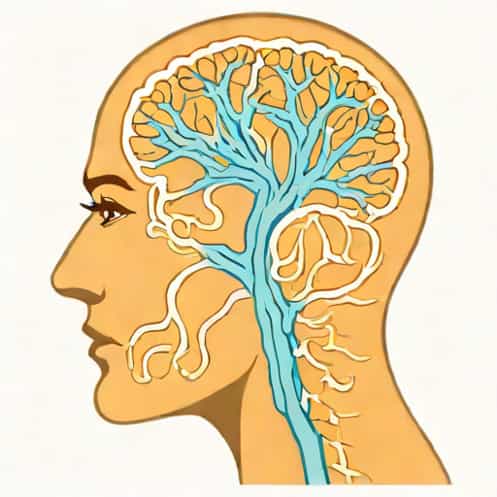
The glossopharyngeal nerve is one of the twelve cranial nerves that play vital roles in the human nervous system. Known as the ninth cranial nerve or cranial nerve IX, it serves both sensory and motor functions. This dual nature often leads people to wonder whether the glossopharyngeal nerve is primarily sensory or motor. To fully understand its role, it’s important to explore its anatomy, pathways, and specific contributions to bodily functions such as taste, swallowing, and reflex actions. By examining its structure and connections, we can see how this nerve helps maintain the coordination between the senses and motor responses in the head and neck region.
Understanding the Glossopharyngeal Nerve
The glossopharyngeal nerve originates in the medulla oblongata, a part of the brainstem responsible for controlling essential involuntary activities such as breathing and heart rate. It exits the skull through the jugular foramen, along with the vagus and accessory nerves. From there, it branches into several smaller nerves that serve different areas, including the tongue, throat, and salivary glands. The name itself, glosso meaning tongue and pharyngeal meaning throat, reflects its two main areas of influence.
Dual Nature Sensory and Motor Components
The glossopharyngeal nerve is classified as a mixed nerve because it carries both sensory and motor fibers. Sensory fibers transmit information from the body to the brain, while motor fibers carry signals from the brain to the muscles. Additionally, this nerve contains parasympathetic fibers that control certain automatic functions, particularly salivation. Because of its involvement in both voluntary and involuntary activities, the glossopharyngeal nerve is crucial for maintaining communication between sensory perception and motor action.
Sensory Functions of the Glossopharyngeal Nerve
Most of the glossopharyngeal nerve’s activities are sensory in nature. It gathers sensory data from various parts of the head and neck and relays this information to the brain for interpretation and response. The major sensory roles include
- Taste SensationThe nerve transmits taste signals from the posterior one-third of the tongue to the brain. This region of the tongue is particularly sensitive to bitter flavors.
- Touch and TemperatureIt provides general sensory information such as touch, temperature, and pain from the throat, tonsils, and back of the tongue.
- Baroreception and ChemoreceptionThe glossopharyngeal nerve detects changes in blood pressure and the concentration of oxygen and carbon dioxide in the blood through its connections with the carotid body and carotid sinus.
- Gag ReflexIt contributes to the sensory limb of the gag reflex, a protective mechanism that prevents choking by detecting irritants or foreign objects in the throat.
Because these sensory functions are crucial for taste, swallowing, and cardiovascular monitoring, the glossopharyngeal nerve plays a central role in maintaining homeostasis and protecting the body from harm.
Motor Functions of the Glossopharyngeal Nerve
Though its motor functions are less extensive than its sensory ones, they are equally vital. The motor fibers of the glossopharyngeal nerve primarily control a single muscle – the stylopharyngeus muscle. This slender muscle elevates the pharynx during swallowing and speech, facilitating the smooth passage of food from the mouth to the esophagus and helping in clear articulation of sounds.
Additionally, the glossopharyngeal nerve provides indirect motor influence through its parasympathetic fibers. These fibers stimulate the parotid gland, one of the major salivary glands, to secrete saliva. Saliva not only aids digestion but also helps maintain oral health by keeping the mouth moist and neutralizing acids produced by bacteria.
Coordination Between Sensory and Motor Functions
What makes the glossopharyngeal nerve especially interesting is how it integrates sensory input and motor output. When the sensory receptors in the throat detect the presence of food, the nerve transmits this information to the brain, triggering motor signals that activate muscles involved in swallowing. Similarly, when something irritates the back of the throat, the nerve’s sensory branch initiates a reflex arc that results in the gag response, protecting the airway.
Clinical Importance of the Glossopharyngeal Nerve
Understanding whether the glossopharyngeal nerve is sensory or motor is not just an academic exercise-it has real clinical significance. Damage to this nerve can disrupt both sensory and motor functions, leading to a range of symptoms that affect daily life. Common conditions involving the glossopharyngeal nerve include
- Glossopharyngeal NeuralgiaA rare but severe condition characterized by intense, stabbing pain in the throat, ear, or back of the tongue, often triggered by swallowing or talking.
- Loss of TasteDamage to the sensory fibers can result in partial loss of taste sensation in the posterior part of the tongue.
- DysphagiaImpaired motor control of the stylopharyngeus muscle can cause difficulty swallowing.
- Reduced SalivationInjury to parasympathetic fibers can reduce saliva secretion, leading to dry mouth and discomfort.
Because of these potential issues, neurologists and otolaryngologists often test glossopharyngeal nerve function during cranial nerve examinations. They may evaluate the gag reflex, taste perception, and swallowing ability to assess the integrity of this nerve.
The Glossopharyngeal Nerve in Relation to Other Cranial Nerves
The glossopharyngeal nerve works closely with other cranial nerves, particularly the vagus nerve (cranial nerve X) and the accessory nerve (cranial nerve XI). These three nerves exit the skull together through the jugular foramen and share overlapping functions related to speech, swallowing, and reflexes of the throat. The glossopharyngeal nerve provides sensory input that often guides the motor responses of the vagus nerve, forming a tightly coordinated system for controlling the upper part of the digestive and respiratory tracts.
Testing and Diagnosis
Doctors use simple bedside tests to determine if the glossopharyngeal nerve is functioning properly. One of the most common is the gag reflex test. By gently touching the back of the throat with a tongue depressor, clinicians can see whether the patient reacts normally. Absence of the reflex on one side may indicate nerve dysfunction. Additionally, taste tests on the posterior tongue can help determine sensory impairment, while difficulties in swallowing can point to motor deficits.
Is the Glossopharyngeal Nerve Primarily Sensory or Motor?
While the glossopharyngeal nerve performs both sensory and motor functions, it is considered primarily a sensory nerve because most of its fibers are involved in sensation rather than movement. Its sensory contributions-such as taste, touch, and monitoring of blood chemistry-are more extensive and diverse than its motor responsibilities. However, its motor functions, though fewer, are crucial for swallowing and speech, making the nerve indispensable for daily activities.
In summary, the glossopharyngeal nerve is a mixed cranial nerve that carries sensory, motor, and parasympathetic fibers. It plays a vital role in taste sensation, swallowing, saliva secretion, and reflex actions. Though primarily sensory, its motor components ensure that sensory input leads to appropriate muscular responses, maintaining the smooth coordination of essential bodily functions. Understanding this nerve’s dual nature helps in appreciating the complex network of communication between the brain and body that keeps us functioning seamlessly every day. Whether viewed anatomically or clinically, the glossopharyngeal nerve exemplifies the perfect balance between sensing and acting-an elegant design of the human nervous system.