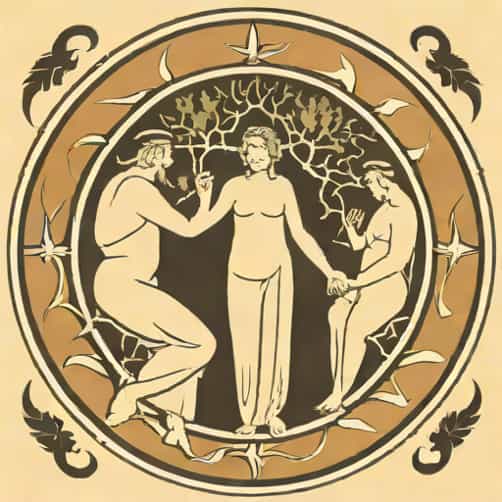
Friedrich Nietzsche’s work,The Birth of Tragedy, presents one of the most profound explorations of art, culture, and human experience through the lens of the Apollonian and Dionysian dichotomy. Nietzsche examines how these two opposing forces shape Greek tragedy and, by extension, the foundation of Western art and thought. The interplay between order and chaos, reason and instinct, and structure and passion forms the core of his argument, providing a lens through which we can better understand not only classical literature but also the human condition itself.
The Apollonian and Dionysian Concepts
The Apollonian and Dionysian are central to Nietzsche’s philosophy of art. The Apollonian represents clarity, logic, order, and harmony. Named after Apollo, the Greek god of light, reason, and prophecy, this principle is expressed through structured forms, balance, and individuality. Art influenced by the Apollonian embodies restraint, beauty, and a sense of distance from the chaos of reality, offering a dreamlike or idealized version of life.
In contrast, the Dionysian embodies chaos, instinct, ecstasy, and the dissolution of individuality. Dionysus, the god of wine, revelry, and madness, represents the primal and irrational forces of life. Dionysian art emphasizes communal experience, emotional intensity, and immersion in the raw, often violent, energies of existence. This principle celebrates the unity of life and the surrender to instinctual forces, breaking down boundaries between self and other.
How the Apollonian and Dionysian Interact in Tragedy
Nietzsche argues that Greek tragedy achieved its power through the delicate balance between Apollonian and Dionysian forces. The structured dialogue, plot, and visual aesthetics reflect Apollonian influence, providing coherence and form to the theatrical experience. Meanwhile, the chorus and the musical elements evoke Dionysian energy, drawing the audience into an emotional, almost intoxicating engagement with the themes of fate, suffering, and human passion.
The Role of Music and the Chorus
Music in Greek tragedy is where the Dionysian force is most vividly expressed. Unlike the spoken words of the actors, music bypasses rational thought and directly engages the emotions. The chorus, through song and movement, embodies collective experience, dissolving individual ego and emphasizing the unity of human suffering and ecstasy. Nietzsche believed this combination of structured dialogue and ecstatic music allowed Greek tragedy to transcend mere storytelling, touching the eternal truths of human existence.
Conflict and Resolution in Tragic Drama
The interplay of Apollonian and Dionysian elements generates the tension that drives Greek tragedy. Apollonian form shapes the narrative and characters, while Dionysian chaos introduces unpredictability, emotional depth, and existential intensity. The audience experiences catharsis-a profound release of emotional tension-as they confront the extremes of human experience. Nietzsche saw this as essential to the educational and spiritual impact of tragedy, enabling individuals to face life’s suffering with insight and resilience.
The Philosophical Implications
Nietzsche’s exploration goes beyond literary analysis, delving into metaphysics and the nature of human existence. The Apollonian represents the human desire for order, understanding, and control, while the Dionysian reflects the reality of life as unpredictable, painful, and sublime. Through the synthesis of these forces in art, humanity can reconcile the tension between illusion and reality, reason and instinct, creating a holistic appreciation of life.
Art as a Reflection of Life
According to Nietzsche, the true purpose of art is to confront the chaos of existence while offering a form that the mind can grasp. Apollonian elements provide this form, while Dionysian elements remind us of the raw, uncontrollable forces that underlie all human experience. In this sense, Greek tragedy becomes a model for life itself, offering both the clarity of form and the immersion in the elemental forces of being.
The Decline of Tragic Art
Nietzsche lamented the decline of Greek tragedy with the rise of Socratic rationalism, which favored logic and reason over instinct and passion. By prioritizing Apollonian order exclusively, later art lost the dynamic interplay that made tragedy so powerful. This imbalance led to a form of culture that, while refined and intellectually rigorous, lacked the depth and emotional resonance of classical tragedy. Nietzsche’s critique highlights the dangers of ignoring the Dionysian dimension in both art and life.
Contemporary Relevance
The concepts of Apollonian and Dionysian are not limited to ancient Greek art. Modern literature, theater, music, and cinema continue to explore the tension between structure and chaos, reason and emotion. Films that blend narrative coherence with intense emotional or sensory experiences reflect the same interplay Nietzsche identified. Similarly, in psychology and philosophy, the Apollonian-Dionysian framework helps explain human behavior, creativity, and the drive for meaning amidst suffering.
Practical Examples in Modern Art
- Classical symphonies often balance structured composition (Apollonian) with emotional crescendos and dynamic passages (Dionysian).
- Modern theater frequently combines scripted dialogue with improvisation, echoing the tension between form and ecstasy.
- Contemporary cinema can use visual symmetry and narrative arcs alongside intense, chaotic sequences to engage viewers on multiple levels.
Nietzsche’sThe Birth of Tragedyremains a foundational text for understanding the dual forces of Apollonian and Dionysian in art and human experience. By examining the tension and interplay between order and chaos, reason and instinct, Nietzsche reveals the profound depth of Greek tragedy and its enduring influence. This framework not only illuminates the past but also provides a lens for interpreting modern art, literature, and human behavior. Embracing both the Apollonian and Dionysian allows individuals to confront life’s challenges, appreciate its beauty, and navigate the complexities of existence with insight and emotional awareness.