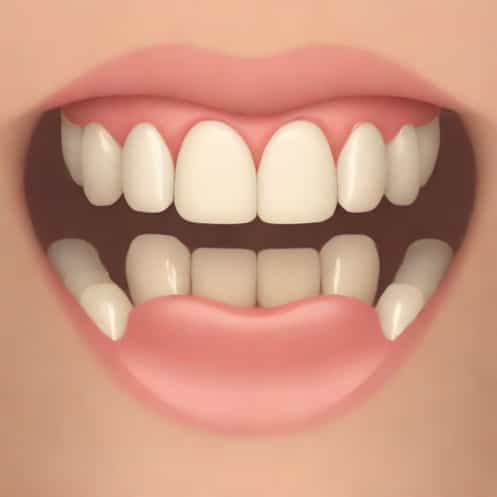
Indirect pulp capping is a conservative dental procedure used to treat deep carious lesions in primary teeth without exposing the pulp. This treatment aims to preserve pulp vitality while preventing the progression of caries and minimizing the risk of infection. Maintaining the health of primary teeth is crucial for proper development, occlusion, and spacing for permanent teeth. Indirect pulp capping in primary teeth has gained attention for its minimally invasive approach, ability to promote healing, and long-term benefits for pediatric patients. Understanding the indications, materials, technique, and outcomes of this procedure is essential for dental professionals and parents seeking optimal oral care for children.
What is Indirect Pulp Capping?
Indirect pulp capping involves placing a protective material over a thin layer of remaining carious dentin that is close to the pulp but not yet exposed. The primary goal is to stimulate dentin formation, protect the pulp from bacterial invasion, and allow the tooth to heal naturally. This approach differs from direct pulp capping, where the pulp is already exposed and requires immediate protection and stimulation of reparative dentin formation.
Indications for Indirect Pulp Capping in Primary Teeth
Indirect pulp capping is indicated in situations where the tooth has a deep carious lesion approaching the pulp, but there is no clinical or radiographic evidence of pulp exposure or irreversible pulpitis. Common indications include
- Deep occlusal or proximal caries in primary molars
- Asymptomatic teeth with vital pulp
- Teeth without signs of abscess or severe infection
- Cases where maintaining pulp vitality is desired to avoid pulpotomy or extraction
Materials Used in Indirect Pulp Capping
The success of indirect pulp capping depends on the proper selection of materials that promote pulp healing and dentin regeneration. Several materials are commonly used
Calcium Hydroxide
Calcium hydroxide has been a traditional choice for indirect pulp capping due to its antibacterial properties and ability to stimulate reparative dentin formation. It is applied as a liner over the remaining dentin before restoring the tooth with a permanent material.
Mineral Trioxide Aggregate (MTA)
MTA is a biocompatible material known for excellent sealing ability and pulp-healing properties. It has gained popularity in pediatric dentistry due to its superior outcomes compared to calcium hydroxide, including reduced postoperative sensitivity and better long-term pulp vitality preservation.
Glass Ionomer Cement
Glass ionomer cements are often used as a base or liner after placing calcium hydroxide or MTA. They provide additional sealing, fluoride release, and chemical adhesion to dentin, enhancing the overall success of the procedure.
Procedure for Indirect Pulp Capping in Primary Teeth
The procedure requires careful assessment, isolation, and technique to ensure success. The general steps include
Step 1 Diagnosis and Assessment
Perform a thorough clinical examination and radiographic evaluation to assess the depth of caries and pulp vitality. Confirm that there is no pulp exposure or irreversible pulpitis.
Step 2 Caries Removal
Remove the infected and soft carious dentin carefully while leaving a thin layer of affected dentin near the pulp. Overzealous removal can expose the pulp and complicate the procedure.
Step 3 Application of Liner or Medicament
Apply a thin layer of calcium hydroxide, MTA, or other suitable pulp-capping material directly over the remaining dentin. This layer acts as a protective barrier and stimulates reparative dentin formation.
Step 4 Sealing the Tooth
Place a restorative material such as glass ionomer or composite resin to seal the tooth completely. Proper sealing prevents bacterial penetration and supports pulp healing.
Step 5 Follow-Up
Regular follow-up appointments are necessary to monitor the tooth for symptoms, radiographic signs of healing, and integrity of the restoration. Success is indicated by the absence of pain, infection, or pulp necrosis.
Advantages of Indirect Pulp Capping in Primary Teeth
Indirect pulp capping offers several benefits over more invasive procedures such as pulpotomy or extraction
- Preserves pulp vitality and natural tooth structure
- Minimally invasive, reducing trauma and discomfort for children
- Promotes natural dentin regeneration
- Reduces the risk of postoperative complications
- Maintains proper occlusion and spacing for permanent teeth
Clinical Outcomes and Success Rates
Studies indicate high success rates for indirect pulp capping in primary teeth when proper case selection and materials are used. Reported success rates range from 85% to 95%, with better outcomes observed when MTA or bioceramic materials are used compared to calcium hydroxide alone. Postoperative sensitivity is minimal, and the teeth often remain vital for the duration of their natural lifespan.
Factors Affecting Success
- Extent and depth of the carious lesion
- Choice of capping material (MTA shows superior results)
- Quality of final restoration and seal
- Patient compliance with oral hygiene and follow-up
- Absence of pre-existing pulp inflammation or necrosis
Challenges and Considerations
Although indirect pulp capping is a conservative and effective procedure, certain challenges must be addressed
- Accurate diagnosis is critical to avoid pulp exposure
- Maintaining a proper seal is essential to prevent bacterial contamination
- Patient cooperation can be challenging in young children
- Radiographic evaluation may be limited in primary teeth due to anatomical variations
Indirect pulp capping in primary teeth is a valuable technique in pediatric dentistry that preserves pulp vitality, promotes dentin regeneration, and prevents unnecessary tooth loss. With careful case selection, proper material choice, and meticulous technique, this minimally invasive procedure provides excellent long-term outcomes for children. Commonly used materials such as calcium hydroxide, MTA, and glass ionomer cement play a crucial role in the success of the treatment. By prioritizing pulp health and tooth preservation, indirect pulp capping contributes to maintaining proper oral development, functional occlusion, and overall dental health in pediatric patients. Regular follow-up and patient education are essential components to ensure the longevity and effectiveness of this treatment, making indirect pulp capping a cornerstone in modern conservative pediatric dentistry.