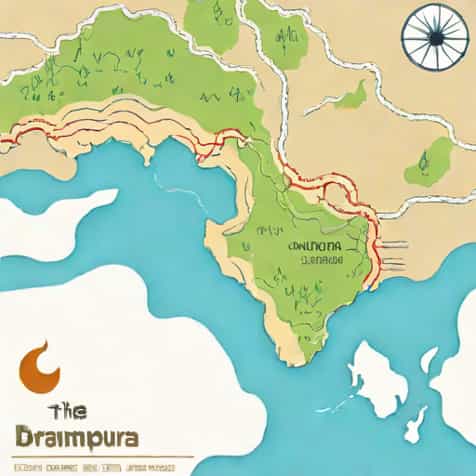
The Brahmaputra River is one of the great river systems of Asia and plays a vital role in the geography, ecology, and human life of several countries. When people ask what is the length of Brahmaputra River, they are often seeking more than a number. The river’s length is closely connected to its long journey through mountains, plains, and diverse cultures. Understanding its length also helps explain its significance as a transboundary river that shapes landscapes and supports millions of people across South Asia.
Overview of the Brahmaputra River
The Brahmaputra River is a major perennial river that originates in the Tibetan Plateau and flows through China, India, and Bangladesh. It is known by different names along its course, reflecting the cultural and geographical diversity of the regions it passes through. The river is famous for its powerful flow, wide channels, and seasonal flooding.
Because of its size and complexity, measuring the length of the Brahmaputra River is not as simple as it may seem. Different sections of the river, along with its changing course, contribute to variations in reported figures.
What Is the Length of Brahmaputra River?
The total length of the Brahmaputra River is generally accepted to be about 2,900 kilometers. Some sources may give slightly different values, usually ranging between 2,800 and 3,000 kilometers, depending on measurement methods and definitions of the river’s source and mouth.
This length makes the Brahmaputra one of the longest rivers in Asia and one of the most significant river systems in the world. Its long course allows it to gather water from a vast drainage basin, contributing to its immense discharge.
Why Length Estimates Can Vary
River length measurements can vary due to factors such as changes in the river’s course, seasonal shifts, and differing interpretations of the river’s starting point. The Brahmaputra is especially dynamic, with channels that shift over time, particularly in its lower reaches.
Source of the Brahmaputra River
The Brahmaputra River originates in the Angsi Glacier in the Kailash range of the Tibetan Plateau. In Tibet, it is known as the Yarlung Tsangpo. From its source, the river flows eastward for a long distance through high-altitude terrain.
This upper course accounts for a significant portion of the total length of the Brahmaputra River. The high elevation and steep gradients contribute to the river’s speed and erosive power.
Course Through China
In China, the river travels across the Tibetan Plateau, carving deep valleys and gorges. This stretch is crucial in defining the river’s length, as it covers a long horizontal distance before the river makes its dramatic turn around the eastern Himalayas.
The Yarlung Tsangpo segment is known for its scenic beauty and geological importance. It is one of the deepest river gorges in the world.
Entry into India
The Brahmaputra enters India through the state of Arunachal Pradesh, where it is known as the Siang or Dihang. Here, the river descends rapidly from the mountains into the plains, increasing its volume as it receives tributaries.
This section adds substantially to the overall length of the Brahmaputra River and marks a transition from mountainous terrain to fertile plains.
The Brahmaputra in Assam
In Assam, the river is known simply as the Brahmaputra. It flows westward across the state, forming a wide floodplain. This part of the river is especially important for agriculture, transportation, and ecosystems.
The river’s braided channels and islands, such as Majuli, reflect its dynamic nature. The Assam stretch contributes greatly to the river’s cultural and economic significance.
Major Tributaries Adding to Its Scale
Several major tributaries join the Brahmaputra in India, increasing its width and discharge. These tributaries do not add to the main river’s length directly, but they enhance its importance as a river system.
- Subansiri River
- Manas River
- Dibang River
- Lohit River
Course in Bangladesh
After flowing through India, the Brahmaputra enters Bangladesh, where it is known as the Jamuna River. In Bangladesh, it merges with the Ganga River system, forming one of the largest delta regions in the world.
This final stretch completes the river’s long journey of about 2,900 kilometers before it drains into the Bay of Bengal.
Importance of the Brahmaputra’s Length
The length of the Brahmaputra River is directly linked to its influence on climate, agriculture, and human settlement. A longer river collects water from a wider area, which explains the Brahmaputra’s high volume and seasonal floods.
The river’s length also means it passes through multiple climatic zones, from cold high-altitude regions to warm, humid plains.
Comparison with Other Major Rivers
When compared with other major rivers of Asia, the Brahmaputra ranks among the longest. While it is shorter than the Yangtze or the Indus, it is still one of the most powerful rivers in terms of water discharge.
Its length, combined with heavy monsoon rainfall, makes it a dominant force in shaping the landscapes it flows through.
Challenges in Managing a Long River
The long course of the Brahmaputra River presents challenges for river management. Flood control, erosion, and water sharing are complex issues because the river crosses international boundaries.
Cooperation between countries is essential to manage the river’s resources sustainably and reduce the risks associated with its length and flow.
Environmental Significance
The length of the Brahmaputra River allows it to support diverse ecosystems, from alpine habitats to wetlands and deltas. These ecosystems are home to a wide variety of plant and animal species.
The river’s long journey helps transport nutrients and sediments, which enrich agricultural lands and sustain biodiversity.
Cultural and Historical Role
Throughout its length, the Brahmaputra has influenced cultures, traditions, and livelihoods. Communities along its banks depend on it for farming, fishing, and transportation.
The river is also deeply embedded in local beliefs and traditions, symbolizing life, continuity, and natural power.
Why the Question Matters
Asking what is the length of Brahmaputra River is not just a factual question. It opens the door to understanding the river’s vast influence and the interconnectedness of geography, environment, and human life.
The length provides a framework for studying its hydrology, ecology, and role in regional development.
The length of the Brahmaputra River is approximately 2,900 kilometers, making it one of the longest and most significant rivers in Asia. From its source in the Tibetan Plateau to its delta in Bangladesh, the river travels through diverse landscapes and cultures. Its long course explains its powerful flow, ecological richness, and central role in the lives of millions of people. Understanding the length of the Brahmaputra River helps highlight why it remains a vital natural resource and a defining feature of South Asia’s geography.