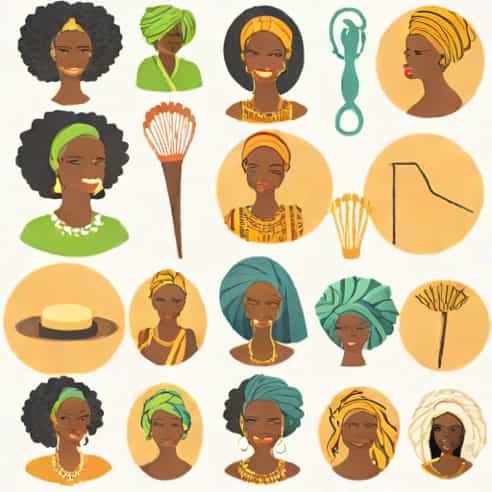
In Nigeria, handwork for ladies is a vibrant and essential aspect of cultural expression, entrepreneurship, and personal creativity. Women engage in various forms of handwork not only for personal enjoyment and household use but also as a source of income and skill development. Handwork activities encompass a wide range of crafts, including sewing, embroidery, beadwork, and traditional textile design. These skills have been passed down through generations and continue to thrive in both rural and urban areas, reflecting Nigeria’s rich cultural heritage. Understanding the different types of handwork for ladies in Nigeria offers insight into the country’s creative industries, economic opportunities, and the role of women in preserving cultural traditions.
Sewing and Tailoring
Sewing and tailoring remain one of the most popular forms of handwork among Nigerian women. Ladies often create garments for personal use, family members, and clients, making this skill both practical and profitable. Sewing includes making everyday clothing, traditional attire like iro and buba, and modern fashion designs. Tailoring also allows women to participate in small businesses, offering custom designs and alterations for customers. Many women combine sewing with fabric embellishments such as embroidery and lace application to create unique and stylish outfits.
Embroidery and Decorative Stitching
Embroidery is a key handwork skill in Nigeria, involving the decorative stitching of fabric using thread, beads, or sequins. Women often adorn traditional wear, pillowcases, tablecloths, and other household items with intricate patterns. This craft can be done by hand or with the aid of sewing machines, depending on the design complexity. Embroidery not only enhances the aesthetic appeal of items but also represents cultural identity, with specific motifs often linked to particular ethnic groups or regions.
Beadwork and Jewelry Making
Beadwork is another popular handwork activity for ladies in Nigeria, particularly among ethnic groups known for their distinctive bead traditions. Women create necklaces, bracelets, earrings, and waist beads using colorful beads arranged in various patterns. Beadwork is often used for special occasions such as weddings, festivals, and traditional ceremonies. This craft also provides income opportunities for women, as handmade jewelry is highly valued in local and international markets. The combination of creativity, cultural symbolism, and entrepreneurial potential makes beadwork a significant handwork activity.
Weaving and Textile Craft
Textile weaving and craft are traditional handwork activities in Nigeria that showcase the country’s rich artistic heritage. Women participate in weaving fabrics such as Aso Oke, which is commonly used for ceremonial clothing in Yoruba culture. In addition, tie-dye techniques like Adire are popular among Nigerian ladies, involving the resist-dyeing of cotton fabrics to create intricate patterns. Weaving and textile crafts often require patience and skill, and they provide opportunities for both personal expression and commercial enterprise.
Crochet and Knitting
Crochet and knitting are handwork activities that have gained popularity among Nigerian women in recent years. These crafts involve creating garments, accessories, and home décor items using yarn or thread. Crochet can be used to make scarves, hats, bags, and decorative items, while knitting is often employed for sweaters, socks, and other clothing items. Many women also combine crochet and knitting with beads or other embellishments to create unique pieces. These skills are valued not only for their practicality but also for their potential as small business ventures.
Quilting and Patchwork
Quilting and patchwork are handwork skills that involve sewing together pieces of fabric to create blankets, wall hangings, or decorative items. Nigerian ladies often use quilting to repurpose old clothing, promote sustainability, and showcase creative design patterns. Patchwork can be simple or elaborate, incorporating embroidery, appliqué, and other techniques. This handwork activity allows women to express artistic creativity while producing functional and beautiful items for homes or gifts.
Basket Weaving and Straw Work
Basket weaving and straw craft are traditional handwork practices that are still prevalent in some regions of Nigeria. Women create baskets, mats, hats, and decorative items using locally sourced materials like raffia, palm leaves, or straw. These crafts serve both practical and ornamental purposes, and they often reflect local cultural aesthetics. Basket weaving provides women with income-generating opportunities through the sale of handmade products in local markets or to tourists interested in authentic Nigerian crafts.
Pottery and Clay Work
In certain communities, ladies engage in pottery and clay work as part of traditional handcraft practices. This includes shaping clay into pots, figurines, and utensils for household use or sale. The craft requires skill in molding, firing, and decorating the clay. Pottery not only preserves cultural heritage but also allows women to participate in local economies through the sale of functional and decorative pieces. This type of handwork highlights the connection between creativity, tradition, and entrepreneurship.
Leather Craft and Accessories
Leather crafting is another handwork activity that has gained attention among Nigerian women. This involves creating bags, sandals, belts, and other accessories from leather materials. Women employ techniques such as cutting, stitching, embossing, and dyeing to produce unique handmade items. Leather craft provides both creative satisfaction and economic benefits, especially when products are marketed locally or online. It is an excellent example of how traditional handwork can evolve to meet modern demands.
Beading and Decorative Arts for Home
In addition to wearable crafts, Nigerian ladies also engage in handwork focused on home décor. This includes beading for lampshades, wall hangings, decorative bowls, and other household items. Decorative arts combine multiple techniques, including sewing, embroidery, and weaving, to create aesthetically pleasing and functional pieces. These crafts not only beautify homes but also provide women with avenues for entrepreneurship through sales in markets or craft exhibitions.
Handwork for ladies in Nigeria encompasses a diverse range of crafts that blend creativity, culture, and economic opportunity. From sewing, embroidery, and beadwork to weaving, crochet, pottery, and leather crafting, Nigerian women engage in activities that enhance their homes, preserve traditions, and generate income. These skills reflect the country’s rich cultural heritage while providing practical and entrepreneurial benefits. By exploring and supporting handwork, ladies in Nigeria continue to play a vital role in sustaining artistic practices and promoting cultural identity. Whether for personal use, ceremonial purposes, or commercial endeavors, handwork remains an essential and celebrated aspect of Nigerian life.