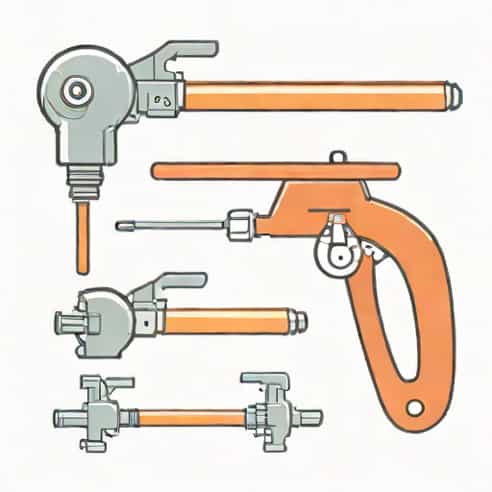
Veterinary medicine often requires specialized tools to ensure safe and effective treatment of animals, and one such tool is the Maxi Ject veterinary blowpipe system. This innovative system has been designed to allow veterinarians and wildlife professionals to administer medications, vaccines, or tranquilizers from a safe distance, minimizing stress for both the animal and the handler. The system combines precision, ease of use, and safety, making it an essential device for handling a variety of species, from farm animals to wildlife in remote environments. Its versatility and reliability have made it a preferred choice for professionals seeking to deliver accurate doses efficiently while maintaining a high standard of animal welfare.
Overview of Maxi Ject Veterinary Blowpipe Systems
The Maxi Ject veterinary blowpipe system is a type of darting equipment used to deliver medications or vaccines over short or medium distances. It is particularly valuable in situations where direct handling of animals is difficult, risky, or stressful. The system typically consists of a blowpipe or syringe barrel, specialized darts or projectiles, and an adjustable delivery mechanism to control dosage and trajectory. Designed with ergonomics in mind, the system allows handlers to maintain control and accuracy, reducing the likelihood of injury to animals and ensuring that the intended dose is delivered precisely.
Key Components
- Blowpipe BarrelThe main component through which the dart is propelled. It is often lightweight yet sturdy, allowing for easy handling and maneuverability.
- Darts and SyringesPreloaded with medication or vaccines, these are designed to penetrate the animal’s skin without causing undue harm. They often include safety features to prevent premature discharge.
- Delivery MechanismAllows the user to control the force and angle of the dart, ensuring accurate targeting and proper dose administration.
- Adjustable FeaturesMany systems include adjustable settings for different animal sizes and dart types, enhancing versatility.
Applications in Veterinary Practice
The Maxi Ject veterinary blowpipe system is used in a wide range of veterinary and wildlife management scenarios. Its ability to administer medications remotely makes it particularly useful for large or aggressive animals, as well as animals in conservation or research settings. Professionals use it for vaccinations, sedation, chemical restraint, and even nutritional supplementation, demonstrating its multifunctional capabilities.
Use in Wildlife and Conservation
Wildlife professionals often face the challenge of treating animals that cannot be safely approached. The Maxi Ject system allows for humane delivery of anesthetics or tranquilizers to facilitate medical examinations, relocation, or research procedures. This reduces stress for the animals and minimizes risks to both handlers and wildlife. The accuracy and reliability of the system are essential for ensuring that doses are delivered safely, as incorrect dosing could have serious consequences for animal health.
Use in Livestock Management
Farmers and veterinarians also benefit from the Maxi Ject system when administering vaccines or medications to livestock. Large herds can be treated more efficiently without the need for physical restraint, reducing labor and stress. This is particularly valuable in managing herd health, preventing the spread of disease, and maintaining productivity. The system’s ability to deliver precise doses helps ensure that all animals receive the proper treatment without waste or under-dosing.
Advantages of Using Maxi Ject Blowpipe Systems
There are several advantages to using Maxi Ject veterinary blowpipe systems over traditional methods of medication delivery. These advantages contribute to the popularity of the system among veterinary and wildlife professionals.
Safety and Efficiency
The primary advantage is safety. By delivering medications from a distance, handlers reduce the risk of injury from animal reactions. This is especially important when dealing with large or unpredictable species. The system also increases efficiency, allowing professionals to treat multiple animals quickly without the need for physical restraint or complex handling procedures.
Precision and Accuracy
The design of the Maxi Ject system allows for precise dose delivery. Accurate targeting ensures that the medication reaches the intended site and that the animal receives the correct amount. This reduces the risk of over- or under-dosing, which can compromise the effectiveness of treatment and potentially harm the animal.
Minimized Stress for Animals
Animals experience significantly less stress when medications or sedatives are delivered remotely. This is crucial for both ethical and practical reasons, as stressed animals may become more difficult to handle and more susceptible to injury or illness. The blowpipe system helps maintain calm and reduces the risk of trauma associated with physical restraint.
Considerations and Best Practices
While the Maxi Ject system offers many benefits, proper use and maintenance are essential. Handlers must be trained in the correct techniques for aiming, loading, and firing the system. Understanding the anatomy of the target species is also critical to avoid injury and ensure effective delivery. Regular inspection and maintenance of the blowpipe and darts help maintain accuracy and safety.
Training and Certification
Proper training is essential to maximize the effectiveness and safety of the Maxi Ject system. Many veterinary and wildlife organizations provide specialized courses covering the use of blowpipe systems, dosage calculation, and animal handling techniques. Certification ensures that professionals are competent in using the equipment, reducing the likelihood of accidents or improper dosing.
Maintenance and Storage
Maintaining the blowpipe system involves regular cleaning, checking for wear or damage, and proper storage. Darts and syringes should be stored in a safe, temperature-controlled environment to preserve medication efficacy. Ensuring that all components are in good working order is critical for consistent performance and longevity of the system.
Limitations and Challenges
Despite its many advantages, the Maxi Ject veterinary blowpipe system is not without limitations. Factors such as distance, animal movement, environmental conditions, and handler experience can affect accuracy. Additionally, the system may not be suitable for very small or highly agile animals. Understanding these limitations allows professionals to plan interventions carefully and choose the appropriate tool for each situation.
Environmental and Situational Factors
Outdoor conditions, such as wind, terrain, and visibility, can impact the performance of blowpipe systems. Handlers must account for these variables to ensure safe and effective administration. Selecting the right location and approach, and having backup methods available, are key aspects of successful use in the field.
The Maxi Ject veterinary blowpipe system represents a valuable tool for modern veterinary medicine and wildlife management. Its ability to deliver medications safely, accurately, and efficiently from a distance makes it indispensable for treating large, aggressive, or difficult-to-reach animals. With proper training, maintenance, and consideration of environmental factors, the system enhances both animal welfare and handler safety. Whether used in wildlife conservation, research, or livestock management, the Maxi Ject system provides a reliable solution for remote medication delivery, highlighting the importance of innovation and precision in veterinary practice.
In summary, the Maxi Ject veterinary blowpipe system combines safety, accuracy, and efficiency to address the challenges of modern animal care. By minimizing stress for animals, protecting handlers, and ensuring precise dose delivery, it supports ethical and effective veterinary interventions. Proper use, training, and maintenance maximize its benefits, making it a cornerstone of professional practice in veterinary medicine and wildlife management.