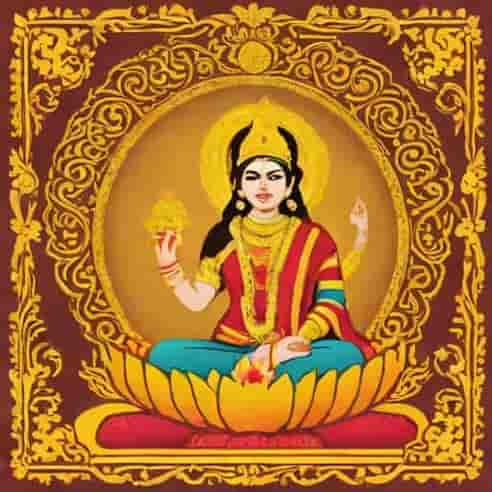
Vat Savitri Puja is a significant Hindu festival celebrated primarily in parts of India such as Maharashtra, Uttar Pradesh, Bihar, and Gujarat. The festival honors the devotion and determination of Savitri, a legendary figure known for her unwavering love and courage in saving her husband Satyavan’s life from the god of death, Yama. Observed during the month of Jyeshtha in the Hindu calendar, this festival is a tribute to marital fidelity, devotion, and the power of prayers. Vat Savitri Puja is especially important for married women, who pray for the longevity and well-being of their husbands, reflecting the cultural emphasis on family bonds and spiritual dedication. The festival combines rituals, storytelling, and symbolic practices centered around the sacred banyan tree, or Vat Vriksha.
Legend of Savitri and Satyavan
The story behind Vat Savitri Puja is deeply rooted in Hindu mythology. Savitri, the daughter of King Ashvapati, was known for her intelligence, virtue, and dedication. She chose Satyavan, the son of a blind king living in exile, as her husband despite being aware of a prophecy that he would die within a year. Savitri’s unwavering love and determination led her to follow Satyavan into the forest on the day of his predicted death. When Yama, the god of death, appeared to claim Satyavan’s soul, Savitri’s devotion and eloquence impressed him, and she negotiated her husband’s life back through her steadfast resolve and clever arguments.
Significance of the Story
The story of Savitri and Satyavan symbolizes devotion, courage, and the power of faith. It emphasizes the values of loyalty and determination in relationships, showing that sincere devotion and righteousness can overcome even the most difficult obstacles. The tale inspires millions of devotees, particularly married women, to observe Vat Savitri Puja with dedication and faith.
Timing and Observance
Vat Savitri Puja is celebrated on the Amavasya, or new moon day, in the month of Jyeshtha according to the Hindu calendar, which usually falls in May or June in the Gregorian calendar. The timing is crucial, as rituals are performed during specific hours to maximize the spiritual benefits and blessings associated with the festival. Women observe fasting and perform prayers, often in the early morning, to seek divine blessings for their husbands’ long life and prosperity.
Who Observes the Puja
The puja is predominantly observed by married women, who play a central role in the rituals. However, unmarried women also participate, praying for a devoted and prosperous spouse in the future. The festival serves as a cultural reminder of family values, marital devotion, and the importance of spiritual practices in everyday life.
Rituals and Practices
The rituals of Vat Savitri Puja are rich in symbolism and tradition. The banyan tree, or Vat Vriksha, plays a central role in the observance, as it is considered sacred and associated with longevity and prosperity.
Worship of the Banyan Tree
Women tie threads around the banyan tree while performing prayers, symbolizing their wish for their husbands’ long life and well-being. The tree represents strength, longevity, and resilience, mirroring the qualities celebrated in the legend of Savitri. Circumambulating the tree, offering water, and adorning it with flowers are common practices that enhance the spiritual significance of the festival.
Fasting and Prayer
Fasting is a crucial aspect of Vat Savitri Puja. Devotees observe partial or complete fasts, refraining from consuming food until the completion of the rituals. During the fasting period, women chant prayers, recite the story of Savitri, and perform religious ceremonies to invoke divine blessings. The fast is both a physical and spiritual exercise, fostering discipline, devotion, and focus.
Offerings and Ritual Items
Devotees prepare offerings such as fruits, sweets, and traditional dishes for the puja. Items like water, flowers, and betel leaves are placed at the base of the banyan tree during prayers. The offerings signify gratitude, reverence, and a symbolic request for divine favor. Special attention is given to cleanliness and preparation, reflecting the sanctity and respect associated with the ritual.
Cultural and Social Significance
Beyond religious devotion, Vat Savitri Puja holds significant cultural and social importance. It reinforces family values, strengthens community bonds, and promotes the transmission of traditions across generations. The festival often involves communal gatherings, storytelling sessions, and cultural performances that educate younger generations about the legend of Savitri and the virtues it embodies.
Empowerment and Role of Women
Vat Savitri Puja highlights the agency and devotion of women in traditional society. By performing the rituals, women actively participate in shaping the spiritual well-being of their families. The festival celebrates women’s faith, resilience, and capacity to influence positive outcomes through devotion and wisdom.
Regional Variations
The festival is celebrated with slight variations across different regions of India. In Maharashtra, women tie red threads around the banyan tree, while in Uttar Pradesh and Bihar, special recitations and songs accompany the rituals. These regional differences reflect local traditions, cultural heritage, and diverse ways of expressing devotion.
Modern Observance
In contemporary times, Vat Savitri Puja continues to be relevant as families balance traditional practices with modern lifestyles. Devotees may perform simplified rituals at home or visit temples and community gatherings to observe the festival. Social media and digital storytelling have also contributed to spreading awareness about the significance of the puja, connecting devotees across regions and generations.
Incorporating Spiritual Practices
Modern devotees often integrate meditation, mindfulness, and family gatherings into the observance of Vat Savitri Puja. These practices enhance the spiritual experience, promote inner reflection, and reinforce the values of devotion, patience, and familial responsibility. The festival, therefore, remains a holistic celebration of faith, culture, and personal discipline.
Vat Savitri Puja is a profound celebration of devotion, love, and marital fidelity. Rooted in the legendary story of Savitri and Satyavan, the festival honors courage, determination, and spiritual dedication. Through fasting, prayers, and the worship of the sacred banyan tree, devotees seek blessings for longevity, prosperity, and familial harmony. The festival’s cultural and social significance reinforces family values, empowers women, and fosters a sense of community. Despite modern lifestyle changes, Vat Savitri Puja continues to be observed with devotion and reverence, bridging tradition and contemporary practices while keeping the spirit of the legend alive across generations.