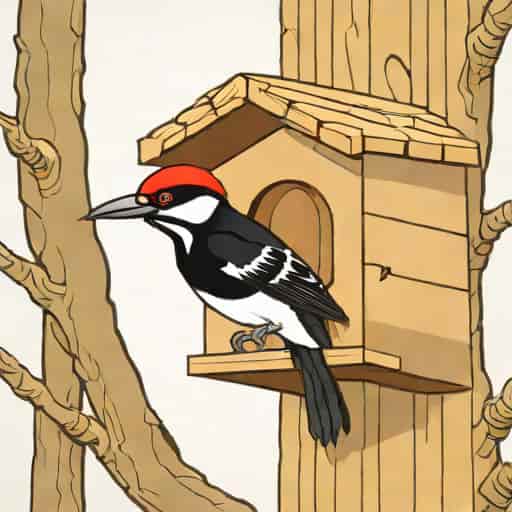
The acorn woodpecker is a fascinating bird species known for its unique behavior of creating and maintaining granaries, specialized storage sites for acorns. These granaries are a remarkable example of cooperative behavior, memory, and environmental adaptation in the natural world. Unlike many birds that simply store food in hidden spots, acorn woodpeckers invest significant time and effort into drilling hundreds of holes in trees, fence posts, or wooden structures to store individual acorns. These granaries serve not only as a food supply but also as a social hub for woodpecker families and groups, reflecting complex interactions between ecology, survival strategies, and social organization. Studying the acorn woodpecker granary provides insight into animal behavior, resource management, and the intricate balance between species and habitat.
Physical description of acorn woodpeckers
The acorn woodpecker (Melanerpes formicivorus) is a medium-sized woodpecker native to western North America and parts of Central America. Adult birds have striking plumage, with black bodies, white faces, red crowns, and distinctive white patches on their wings. Their strong, chisel-like beaks are adapted for drilling into wood, which is essential for creating granaries and accessing insect prey. Acorn woodpeckers are highly social birds, often forming groups of up to a dozen or more individuals who cooperate in feeding, defense, and acorn storage.
Habitat and distribution
Acorn woodpeckers are typically found in oak woodlands, mixed forests, and areas with abundant oak trees, which provide their primary food source acorns. Their range extends from the western United States, including California, Oregon, and Arizona, down through Mexico and into Central America. The availability of suitable trees for granaries plays a critical role in determining the distribution and success of acorn woodpecker populations.
The concept of the granary
A granary is a central feature of acorn woodpecker behavior, functioning as a storage system where acorns are individually placed in pre-drilled holes. Unlike simple caching behavior seen in other birds, acorn woodpecker granaries are communal and meticulously organized. Each acorn is inserted tightly into a hole, which helps preserve it from spoilage and deters other animals from stealing it. Granaries can hold thousands of acorns, making them one of the most elaborate natural food storage systems among birds.
Construction and maintenance
Creating a granary requires significant effort. Woodpeckers use their strong beaks to drill evenly spaced holes into tree trunks, branches, or wooden structures. They prefer dead or dying wood, which is easier to excavate yet durable enough to hold acorns securely. Once the holes are made, the birds systematically collect acorns during harvest season and insert them into the granary. Maintenance is continuous birds frequently inspect the granary, remove damaged or spoiled acorns, and defend the site from competitors such as squirrels or other birds.
Social structure and cooperative behavior
Acorn woodpeckers exhibit complex social dynamics that revolve around the granary. Groups, often consisting of multiple breeding pairs and their offspring, collaborate in storing and defending acorns. The granary serves as a communal resource, with individuals taking on roles in food collection, hole maintenance, and protection. This cooperative behavior is essential for survival, particularly during winter when acorns become a primary food source. Research indicates that acorn woodpeckers have remarkable memory skills, remembering the locations of thousands of individual acorns within the granary.
Ecological significance of granaries
The acorn woodpecker granary plays a critical role in both the species’ survival and the ecosystem. By storing acorns, woodpeckers ensure a reliable food source during lean periods, which is particularly important in regions with seasonal variation. Granaries also influence local ecology, as abandoned or partially used granaries may provide food for other species, including insects, rodents, and birds. Additionally, the selective harvesting of acorns can impact oak tree regeneration, as some acorns may be left uneaten and germinate, contributing to forest dynamics.
Interaction with other species
Granaries are often contested by squirrels, jays, and other animals that seek to steal stored acorns. Acorn woodpeckers actively defend their granaries, using alarm calls and coordinated group defense. This interaction highlights the role of granaries in shaping behavioral ecology, as the presence of competitors influences the location, structure, and vigilance associated with acorn storage. The granary thus becomes both a nutritional and strategic asset for the woodpeckers.
Behavioral adaptations related to granaries
Acorn woodpeckers exhibit several unique behaviors linked to granary construction and maintenance. These include
- Seasonal foragingDuring autumn, birds intensively collect acorns to fill the granary before winter.
- TerritorialityGroups defend their granary sites from rival woodpeckers and other animals.
- Memory skillsWoodpeckers remember the locations of individual acorns and the status of holes.
- Cooperative feedingGroup members share in storing and retrieving acorns, supporting collective survival.
Granary size and longevity
Some granaries are used year after year, with holes accumulating over time. Large trees may host thousands of acorn storage holes, making them visually striking and ecologically significant. The longevity of granaries ensures a dependable food supply for multiple generations of woodpeckers, demonstrating the long-term planning behavior that is unusual among birds.
Research and conservation
Acorn woodpeckers and their granaries have been the subject of extensive ecological and behavioral research. Scientists study their cooperative strategies, memory capabilities, and social structures to gain insight into animal intelligence and group dynamics. Conservation of oak woodlands and suitable granary sites is crucial for the species’ survival, as habitat loss can limit the availability of appropriate storage trees and reduce food security. Protecting these habitats also supports broader ecosystem health, benefiting many species that interact with oak forests.
Human interaction and observation
Granaries often attract attention from birdwatchers and nature enthusiasts. Observing acorn woodpeckers at their granaries provides insight into social cooperation, foraging strategies, and interspecies interactions. In some regions, artificial granaries have even been constructed to support woodpecker populations, demonstrating the adaptability of conservation strategies to preserve these unique behavioral phenomena.
The acorn woodpecker granary is a remarkable example of nature’s ingenuity, blending survival, social behavior, and environmental adaptation. By creating and maintaining these intricate storage systems, acorn woodpeckers secure their food resources, reinforce social bonds, and influence the ecological dynamics of oak woodlands. Studying granaries provides valuable insights into animal behavior, memory, and cooperative strategies, highlighting the complexity and intelligence of these small yet resourceful birds. Protecting the habitats and structures that support granaries ensures the survival of acorn woodpeckers and preserves an extraordinary aspect of natural history, demonstrating the intricate connections between species and their environment.