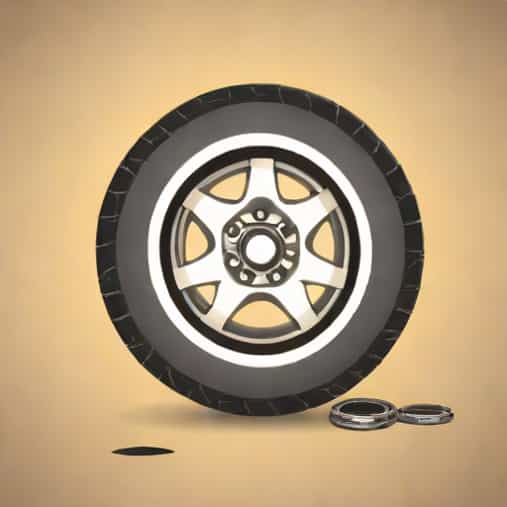
Tires are one of the most critical components of a vehicle, directly affecting safety, handling, and performance. However, many vehicle owners underestimate the importance of tire condition and may continue using tires that have deteriorated over time. One common issue is dry rot, a condition that occurs when tires degrade due to exposure to sunlight, heat, ozone, or simply age. Dry rotted tires exhibit cracks, brittleness, and loss of elasticity, raising serious questions about their safety. Understanding the risks, causes, and precautions related to dry rotted tires is essential for every vehicle owner to prevent accidents and ensure reliable performance on the road.
What Are Dry Rotted Tires?
Dry rot, also known as tire cracking, is a form of deterioration that affects the rubber compounds in tires. Over time, the natural oils in the rubber evaporate, causing the tire to lose flexibility and strength. As a result, the tire becomes prone to cracks on the sidewalls, tread, and inner surface. While dry rot is more common in older tires, even relatively new tires can develop dry rot if they are exposed to harsh environmental conditions or stored improperly.
Signs of Dry Rot
- Visible cracks on the sidewalls or tread of the tire.
- Bulges or areas where the rubber appears brittle or flaky.
- Uneven tire surface or loss of structural integrity.
- Frequent loss of air pressure despite proper inflation.
Causes of Dry Rot
Dry rot occurs when the rubber in tires is exposed to environmental and chemical factors that accelerate the breakdown of its molecular structure. Key causes include
Environmental Exposure
- Prolonged exposure to sunlight and UV rays, which break down rubber compounds.
- High temperatures that accelerate oxidation and drying of the tire material.
- Ozone in the atmosphere reacting with rubber, causing cracking over time.
Lack of Use or Improper Storage
- Tires on vehicles that remain stationary for long periods can develop cracks due to lack of movement.
- Storage near heat sources or in direct sunlight increases the risk of dry rot.
- Failure to use protective tire covers or conditioners can accelerate degradation.
Aging
Even with proper care, tires naturally degrade over time. Most manufacturers recommend replacing tires every six to ten years, regardless of tread wear. Rubber compounds break down slowly as the tire ages, which can lead to dry rot and reduced safety.
Risks of Using Dry Rotted Tires
Driving on dry rotted tires is extremely risky. The cracks and brittleness compromise the tire’s structural integrity, making it more likely to fail under normal driving conditions. The risks include
Blowouts and Tire Failure
Dry rotted tires are more prone to sudden blowouts, especially at high speeds or under heavy loads. A blowout can cause a vehicle to lose control, increasing the likelihood of accidents.
Poor Handling and Reduced Traction
Cracks and brittleness reduce a tire’s ability to maintain proper contact with the road surface. This leads to diminished grip, poor handling, and longer braking distances, especially in wet or slippery conditions.
Uneven Wear and Damage to Suspension
Dry rotted tires often wear unevenly, which can put extra strain on a vehicle’s suspension system. Over time, this can lead to costly repairs and further safety issues.
Determining If a Tire Is Safe
Assessing the safety of a tire involves a combination of visual inspection, age evaluation, and professional advice. While some minor cracking may not pose an immediate threat, significant cracks or brittle surfaces indicate that the tire should be replaced.
Inspection Tips
- Check sidewalls and tread for deep or extensive cracks.
- Look for discoloration, which can indicate UV or ozone damage.
- Assess flexibility by gently pressing on the tire; brittle rubber is a warning sign.
- Check the manufacturing date on the tire sidewall; tires older than six years should be closely examined regardless of visible wear.
Preventing Dry Rot
Prevention is key to extending tire life and ensuring safety. Several strategies can help reduce the risk of dry rot
Proper Storage
- Store vehicles in shaded or climate-controlled areas to reduce exposure to UV rays and heat.
- Use tire covers to protect against sunlight and ozone exposure.
- Rotate tires regularly to maintain flexibility and even wear.
Regular Maintenance
- Keep tires properly inflated to reduce stress and cracks.
- Clean tires with mild soap and water, avoiding harsh chemicals that can degrade rubber.
- Apply tire protectants that replenish oils and maintain elasticity.
Replacement and Safety Recommendations
If tires show signs of dry rot, replacement is strongly recommended. Continuing to drive on compromised tires significantly increases the risk of accidents and vehicle damage. Tire replacement ensures safety, improves handling, and maintains performance standards. When replacing tires, consider the following
Choosing the Right Tires
- Select tires appropriate for your vehicle type and driving conditions.
- Check manufacturing dates to avoid purchasing older stock that may be prone to dry rot.
- Ensure proper installation and alignment to maximize tire lifespan.
Regular Monitoring
- Inspect tires periodically for cracks, bulges, or uneven wear.
- Monitor air pressure and tread depth consistently.
- Seek professional evaluation if unsure about tire condition.
Are dry rotted tires safe? The answer is clear they are not. Dry rot significantly compromises the structural integrity and performance of tires, creating severe safety hazards for drivers and passengers. Identifying signs of dry rot, understanding the causes, and taking preventive measures are essential steps in ensuring vehicle safety. Regular inspection, proper storage, and timely replacement are crucial practices to protect yourself, your passengers, and others on the road. By addressing dry rot proactively, vehicle owners can maintain safe driving conditions, optimize tire performance, and avoid potentially dangerous situations caused by tire failure.