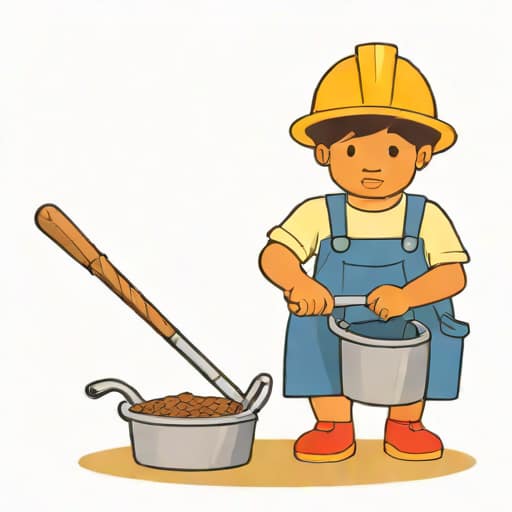
Child labour has been a persistent issue across the world, affecting millions of children who are forced to work under harsh conditions, often depriving them of education, proper healthcare, and a normal childhood. Recognizing the detrimental effects of child labour, governments have introduced specific laws to prohibit and regulate it. One such law is the Child Labour (Prohibition and Regulation) Act, which aims to eliminate exploitative work for children while also regulating the employment of adolescents in certain occupations. This act plays a crucial role in protecting the rights of children, promoting education, and ensuring a safe and healthy environment for their growth. Understanding its provisions, objectives, and enforcement mechanisms is essential for raising awareness and encouraging compliance at all levels of society.
Overview of the Child Labour (Prohibition and Regulation) Act
The Child Labour (Prohibition and Regulation) Act was enacted to curb child labour and ensure the welfare of children engaged in work. The law defines a child as anyone below the age of 14 years and sets restrictions on employment in certain hazardous occupations. Additionally, it lays down guidelines for the working conditions of adolescents, defined as individuals aged between 14 and 18 years. The act has been amended over time to address emerging challenges and strengthen the enforcement framework, reflecting the government’s commitment to eliminating child exploitation in the workplace.
Objectives of the Act
- To prohibit the employment of children in hazardous occupations and processes.
- To regulate the working conditions of adolescents in permitted industries.
- To protect children from economic exploitation and physical and mental harm.
- To ensure children have access to education and opportunities for overall development.
- To create a framework for monitoring and enforcing compliance with child labour laws.
Prohibition of Child Labour
The act explicitly prohibits the employment of children below 14 years of age in all occupations and processes deemed hazardous. Hazardous work includes activities that are physically demanding, harmful to health, or involve exposure to dangerous machinery or chemicals. The prohibition is designed to prevent children from being exploited and to allow them to attend school regularly, which is critical for breaking the cycle of poverty and illiteracy. Enforcement of this prohibition involves inspections, reporting mechanisms, and penalties for employers who violate the law.
Regulation of Adolescent Labour
While children under 14 are completely prohibited from working, adolescents between 14 and 18 years can be employed in certain non-hazardous occupations under regulated conditions. The act specifies limits on working hours, ensures the provision of adequate rest, and mandates safe working environments. It also emphasizes that adolescents should not be exposed to work that could hinder their education or compromise their physical or mental development. These regulations balance the need for economic participation with the protection of young workers from harm.
Key Provisions of the Act
- Employment RestrictionsChildren under 14 cannot be employed in any occupation or process listed as hazardous by the government.
- Working HoursAdolescents can work only for limited hours per day, with mandatory intervals for rest and breaks.
- Health and SafetyEmployers are required to provide a safe and hygienic workplace, free from conditions that may endanger young workers.
- Education and WelfareThe act encourages the promotion of education for children and restricts work that interferes with schooling.
- Penalties for ViolationsEmployers found violating the act may face fines, imprisonment, or both, depending on the severity of the offence.
Amendments and Updates
The Child Labour (Prohibition and Regulation) Act has been amended periodically to strengthen protections for children and address loopholes. For example, recent amendments have expanded the list of hazardous occupations and tightened the rules regarding adolescent employment. These updates reflect the evolving understanding of child rights and the need for stricter enforcement to curb child exploitation. By continuously revising the act, lawmakers aim to create an environment where children can grow up in safety, attend school, and participate in society without being forced into labour.
Implementation and Enforcement
Effective enforcement of the Child Labour (Prohibition and Regulation) Act is crucial for its success. The government has established mechanisms for inspecting workplaces, monitoring compliance, and prosecuting violators. Labour officers and other officials are empowered to conduct surprise inspections and ensure that children are not employed illegally. Additionally, public awareness campaigns play a significant role in educating employers, parents, and communities about the law and the importance of preventing child labour. NGOs and civil society organizations also contribute by reporting violations and supporting children in vulnerable situations.
Challenges in Implementation
- Hidden Child LabourMany children work in informal sectors, such as domestic work, agriculture, and street vending, making detection difficult.
- Poverty and Economic PressureFamilies in poverty may rely on children’s income, complicating enforcement efforts.
- Lack of AwarenessEmployers and parents may not be fully aware of legal restrictions, leading to unintentional violations.
- Resource LimitationsLabour departments may lack sufficient staff and funding to monitor all workplaces effectively.
Impact on Society
The Child Labour (Prohibition and Regulation) Act has had a significant impact on reducing child labour and promoting education. By preventing children from being exposed to hazardous work, the act helps protect their health and well-being. It also encourages families to send their children to school, which improves literacy rates and future employment prospects. Over time, reducing child labour contributes to breaking the cycle of poverty and creating a more equitable society. Communities that comply with the act benefit from healthier, more educated children who can contribute positively to society.
Role of Education
Education is central to the effectiveness of the Child Labour (Prohibition and Regulation) Act. Children who attend school regularly are less likely to engage in labour, especially in hazardous conditions. The act indirectly promotes education by making child labour illegal and providing support mechanisms for children in need. Government programs, scholarships, and free schooling initiatives complement the law’s provisions, ensuring that children have access to learning opportunities. Education empowers children to secure better jobs in the future and contributes to long-term social and economic development.
The Child Labour (Prohibition and Regulation) Act is a vital piece of legislation aimed at protecting children from exploitation and promoting their overall development. By prohibiting the employment of children in hazardous occupations and regulating adolescent labour, the act creates a safer and more equitable environment for young individuals. Despite challenges in enforcement, continuous amendments, awareness campaigns, and collaboration with NGOs have strengthened its impact. Ensuring that children are protected, educated, and free from exploitative work is not only a legal obligation but also a moral imperative. The act serves as a cornerstone in the fight against child labour and as a framework for building a society where every child has the opportunity to grow, learn, and thrive.