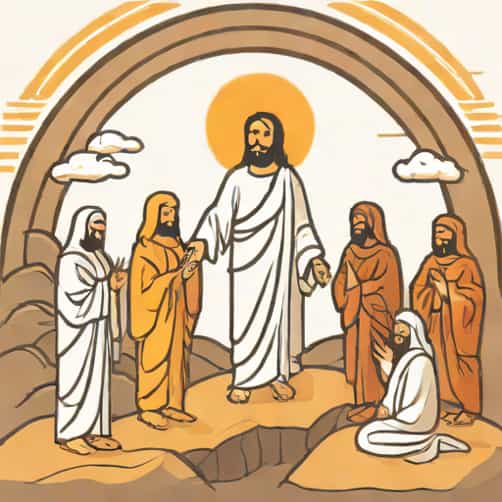
The Transfiguration of Jesus is one of the most profound and visually striking events described in the New Testament, illustrating the divine glory of Christ in a powerful and transformative moment. This event, recorded in the Gospels of Matthew, Mark, and Luke, provides believers with a glimpse of Jesus’ heavenly nature and affirms his unique role as the Son of God. Taking place on a high mountain, the Transfiguration serves as a pivotal moment that bridges Jesus’ earthly ministry with his ultimate mission of redemption. It not only reveals his divine glory to select disciples but also reinforces key theological truths about his identity, mission, and the fulfillment of God’s promises.
The Setting of the Transfiguration
The Transfiguration occurs on a high, remote mountain, traditionally identified as Mount Tabor, though some scholars suggest Mount Hermon. Jesus takes three of his closest disciples-Peter, James, and John-with him, creating an intimate and sacred moment. The choice of a mountain as the setting is significant, as mountains in biblical tradition often symbolize a place of divine encounter, revelation, and communion with God. The elevated location emphasizes the transcendence and importance of the event, providing a backdrop for a dramatic revelation of Jesus’ divine nature.
Jesus’ Glorious Appearance
During the Transfiguration, Jesus’ appearance undergoes a remarkable change. His face shines like the sun, and his clothes become dazzling white, symbolizing purity, divinity, and the radiance of heaven. This transformation is not merely physical but deeply symbolic, representing the divine glory that had always been inherent in Jesus yet often hidden during his earthly ministry. The radiant appearance reassures the disciples of Jesus’ divine authority and foreshadows the ultimate glorification that will come through his resurrection.
The Appearance of Moses and Elijah
Alongside Jesus, two major figures from the Hebrew Scriptures appear Moses and Elijah. Moses represents the Law, the foundation of Israel’s covenant with God, while Elijah symbolizes the prophets, who called the people to faithfulness and righteousness. Their presence underscores Jesus’ fulfillment of both the Law and the prophetic tradition, linking his mission to the entire narrative of God’s interaction with humanity. This connection affirms that Jesus is the culmination of God’s promises and the embodiment of divine revelation.
Significance of the Conversation
During the Transfiguration, Moses and Elijah speak with Jesus about his departure or exodus, which points to his upcoming suffering, death, and resurrection in Jerusalem. This conversation highlights the centrality of the Passion in Jesus’ mission and provides the disciples with a glimpse of the divine plan. It also serves as a reminder that his path, though challenging, is guided by God’s purpose, and that his glory is inseparable from his sacrifice for humanity’s salvation.
The Disciples’ Reaction
The disciples Peter, James, and John are overwhelmed by what they witness. Peter, in his awe and perhaps misunderstanding, suggests building three shelters for Jesus, Moses, and Elijah. This response reflects both reverence and human inclination to preserve extraordinary experiences, even though the moment was meant to be a vision of divine reality rather than a permanent dwelling. The disciples’ fear and amazement demonstrate the profound impact of encountering divine glory firsthand, emphasizing the transformative nature of such a revelation.
God’s Voice from the Cloud
As the Transfiguration reaches its climax, a bright cloud envelops Jesus and the disciples, and God’s voice is heard declaring, This is my beloved Son, with whom I am well pleased; listen to him. This divine proclamation affirms Jesus’ identity as the Son of God and calls the disciples-and all believers-to heed his teachings. The cloud symbolizes God’s presence, reminiscent of the cloud that guided Israel in the wilderness, and serves as a divine endorsement of Jesus’ mission and authority.
Theological Significance of the Transfiguration
The Transfiguration carries deep theological implications. First, it reveals Jesus’ divine nature in a visible and undeniable way, reinforcing his identity as the Son of God. Second, it bridges his earthly ministry with the glory of the resurrection, providing a foretaste of the eternal life and divine perfection that will be fully realized after the Passion. Third, it demonstrates the continuity of God’s plan, connecting the Law and the Prophets to Jesus’ mission, showing that salvation history unfolds according to God’s promise.
Encouragement for the Disciples
The Transfiguration also serves as a source of encouragement for the disciples, preparing them for the challenges and trials they will face in following Jesus. Witnessing his divine glory strengthens their faith and equips them to endure the hardships of his Passion and crucifixion. It reminds believers that even in moments of suffering or uncertainty, the glory of God and the ultimate triumph of Christ remain assured.
Liturgical and Artistic Representations
The Transfiguration has inspired centuries of liturgical celebration and artistic expression. In the Christian liturgical calendar, it is commemorated on August 6th in many traditions, highlighting its importance as a revelation of divine glory. Artists across history have depicted the scene with radiant light, clouds, and the figures of Moses and Elijah alongside Jesus, emphasizing both the spiritual and visual impact of the event. These representations help the faithful to meditate on the mystery and majesty of Christ’s divinity.
Symbolism in Art and Worship
In artistic portrayals, the use of light, color, and positioning often conveys theological meaning. Jesus is depicted at the center, elevated and luminous, while Moses and Elijah flank him, symbolizing the fulfillment of the Law and the Prophets. The disciples are usually shown in awe or prostrate, illustrating human response to divine revelation. In worship, the Transfiguration serves as a reminder of God’s glory and a call to listen and follow Christ faithfully.
Lessons for Modern Believers
The Transfiguration of Jesus continues to offer lessons for contemporary believers. It emphasizes the importance of recognizing Jesus’ divine authority and the necessity of obedience to his teachings. It encourages believers to seek moments of spiritual clarity and transformation in their own lives, reminding them that divine encounters can inspire growth, courage, and a deeper understanding of God’s plan. The event also calls for reflection on the interconnectedness of Scripture, as the Law and the Prophets find fulfillment in Christ.
Faith and Transformation
At its core, the Transfiguration exemplifies the transformative power of encountering God. Just as the disciples were changed by witnessing Jesus’ glory, modern believers are called to allow their faith to illuminate their lives, guiding actions, choices, and relationships. The moment teaches that divine revelation can inspire hope, strengthen resolve, and deepen spiritual understanding.
The Transfiguration of Jesus is a profound event that encapsulates the mystery, glory, and divine authority of Christ. It reveals his connection to the Law and the Prophets, prepares the disciples for the challenges ahead, and provides believers with a glimpse of the eternal glory promised through faith. This extraordinary event, filled with radiant light, heavenly voices, and transformative symbolism, continues to inspire, teach, and uplift. By reflecting on the Transfiguration, believers are reminded of the divine presence in their lives and the call to listen, follow, and be transformed by the Son of God.