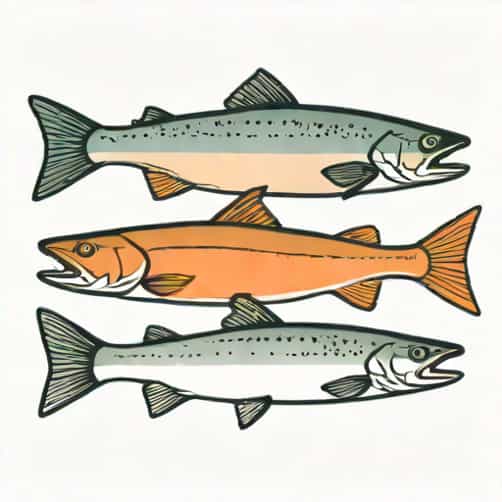
Coho and steelhead are two of the most popular fish species found in North American rivers and coastal waters, often admired by anglers for their strength, beauty, and unique life cycles. While they share some similarities, such as being born in freshwater before migrating to the ocean and returning to spawn, these two species have distinct differences in appearance, behavior, and habitat preferences. Understanding the difference between coho and steelhead is essential for fishermen, conservationists, and seafood enthusiasts who want to appreciate the diversity of salmonids in the Pacific Northwest.
Overview of Coho and Steelhead
Coho salmon, scientifically known asOncorhynchus kisutch, are part of the Pacific salmon family. They are also known as silver salmon because of their shiny, metallic sides and bluish backs. Steelhead, on the other hand, are a sea-run form of rainbow trout (Oncorhynchus mykiss). Unlike most salmon, steelhead can survive after spawning and may return to the ocean multiple times, making them quite unique among anadromous fish.
Physical Differences
Body Shape and Color
Coho salmon are typically smaller and stockier compared to steelhead. They have a more compressed body and are easily recognized by their bright silver coloration during their ocean phase. As they move into freshwater to spawn, their color changes to a deep reddish hue with darker backs. Males develop hooked jaws known as kypes and display a more pronounced red on their sides.
Steelhead trout, in contrast, tend to have a sleeker and more elongated body. Their coloration varies depending on their environment. In the ocean, steelhead are silvery with a blue or greenish tint on their backs, while freshwater steelhead show pinkish or reddish streaks along their lateral lines, similar to resident rainbow trout. They also retain small black spots across their bodies and tails, helping to distinguish them from coho salmon.
Size Comparison
When it comes to size, steelhead often grow larger than coho. An average adult coho salmon measures between 24 to 30 inches and weighs 8 to 12 pounds. Steelhead, however, can reach 20 to 40 inches in length and weigh between 6 and 20 pounds, depending on their life stage and environment. Some exceptional steelhead can even exceed 30 pounds, particularly those that spend several years in the ocean before returning to spawn.
Life Cycle and Behavior
Spawning Patterns
Both coho and steelhead are anadromous, meaning they hatch in freshwater, migrate to the ocean to grow, and return to rivers to spawn. However, their spawning behaviors differ in key ways. Coho salmon typically spawn once in their lifetime. After laying and fertilizing eggs in gravel nests called redds, they die soon afterward, completing their life cycle.
Steelhead are iteroparous, meaning they can spawn multiple times. After spawning, some steelhead survive and return to the ocean before migrating again in subsequent years. This difference gives steelhead a survival advantage and contributes to their diverse age structure within populations.
Migration Timing
The timing of migration also sets these two species apart. Coho salmon usually migrate from the ocean to freshwater between September and December, depending on the region. Their young, known as fry, spend about one to two years in freshwater before heading to the ocean. Steelhead, however, exhibit more variability in migration. Some migrate to the sea after only one year, while others remain in rivers longer. There are two main types of steelhead runs-summer-run and winter-run-each entering freshwater at different times but spawning in similar locations.
Habitat Preferences
Coho and steelhead prefer similar ecosystems but occupy slightly different niches within them. Coho salmon favor smaller coastal streams with deep pools and dense vegetation, which provide protection for juveniles. They thrive in cool, clean, and well-oxygenated water with abundant gravel beds for spawning.
Steelhead, being more adaptable, inhabit a wider range of environments. They can be found in both large rivers and smaller tributaries. Their ability to live in freshwater for extended periods gives them flexibility in coping with environmental changes, such as temperature fluctuations or low water flow. This adaptability has allowed steelhead populations to persist in many areas where other salmon species have declined.
Diet and Feeding Habits
Another key difference between coho and steelhead lies in their diets. In the ocean, coho salmon primarily feed on small fish, squid, and crustaceans. Juvenile coho consume insects, plankton, and aquatic larvae in freshwater before transitioning to larger prey at sea. Their feeding habits play an important role in shaping their growth rates and overall size.
Steelhead, being part of the trout family, have a more varied diet. They feed on aquatic insects, small fish, shrimp, and even fish eggs. Unlike coho, steelhead continue to feed during their freshwater phase as adults, especially before spawning. This continuous feeding contributes to their higher energy reserves, which are crucial for repeated spawning migrations.
Recreational and Commercial Importance
Both coho and steelhead are prized by anglers for their fighting spirit and culinary value. Coho salmon are popular targets during their ocean and river runs because of their abundance and mild flavor. Their firm, pink flesh is highly regarded for grilling and smoking. Recreational fishing for coho supports local economies in coastal regions of Alaska, British Columbia, and the Pacific Northwest.
Steelhead fishing is often considered a greater challenge due to their strength and unpredictability. Fly fishers especially value steelhead for their acrobatic fights and the skill required to catch them. Many fisheries regulate steelhead harvests strictly, with catch-and-release policies in place to protect vulnerable populations.
Conservation and Environmental Challenges
Despite their resilience, both coho and steelhead face significant threats from habitat degradation, overfishing, and climate change. Logging, urbanization, and dam construction have disrupted their spawning grounds, while rising water temperatures threaten their survival. Coho salmon populations in the southern range, particularly in California, have declined drastically, leading to conservation listings under endangered species laws.
Steelhead populations have also suffered from environmental pressures, but their ability to spawn multiple times gives them a slightly higher chance of recovery. Conservation efforts now focus on habitat restoration, dam removal, and sustainable fishing practices to ensure both species continue to thrive in their natural habitats.
Key Differences at a Glance
- SpeciesCoho are salmon (Oncorhynchus kisutch), while steelhead are trout (Oncorhynchus mykiss).
- Body ShapeCoho are stockier; steelhead are longer and more streamlined.
- ColorCoho turn red during spawning; steelhead retain silvery tones with pink stripes.
- Life CycleCoho spawn once; steelhead can spawn multiple times.
- HabitatCoho prefer smaller streams; steelhead inhabit both large and small rivers.
- SizeSteelhead generally grow larger than coho.
The difference between coho and steelhead goes beyond mere appearance. It encompasses their biology, behavior, and ecological roles in river and ocean systems. Coho salmon symbolize the classic one-time journey of Pacific salmon, while steelhead represent resilience through their ability to spawn multiple times and adapt to changing conditions. Recognizing these differences helps anglers, scientists, and conservationists appreciate the rich diversity of life in North America’s rivers and oceans-and underscores the importance of protecting these remarkable species for future generations.