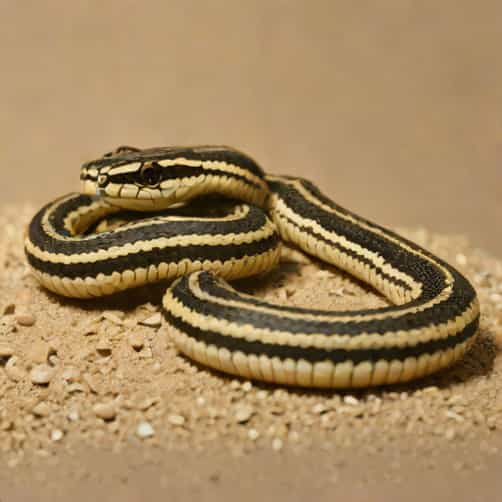
The eastern garter snake, a common species found throughout North America, is well-known for its distinctive stripes and non-venomous nature. Baby eastern garter snakes, also called neonates, are fascinating creatures that provide insight into the early life stages of these resilient reptiles. Observing and understanding these young snakes can reveal much about their behavior, diet, habitat preferences, and survival strategies. Although garter snakes are often overlooked, their role in local ecosystems as both predator and prey makes them an essential part of biodiversity. In this topic, we will explore the biology, behavior, care, and ecological significance of eastern garter snake babies, offering a comprehensive guide for enthusiasts, educators, and anyone interested in learning more about these small but remarkable reptiles.
Overview of the Eastern Garter Snake
The eastern garter snake (Thamnophis sirtalis sirtalis) is one of the most widespread snakes in North America. Recognized by its longitudinal stripes that run along the length of its body, this snake is generally harmless to humans. Eastern garter snakes are highly adaptable and can thrive in a variety of habitats, including forests, meadows, wetlands, and suburban areas. They are diurnal creatures, meaning they are most active during the day, and they rely on their keen senses to hunt, navigate, and avoid predators.
Reproduction and Birth
Eastern garter snakes are viviparous, which means they give birth to live young rather than laying eggs. Mating typically occurs in the spring after emerging from hibernation. Females can give birth to anywhere from 10 to 40 baby snakes at a time, depending on age, size, and health. Gestation lasts about 2 to 3 months, and the young are fully independent at birth, capable of hunting and surviving without parental care.
Appearance of Baby Eastern Garter Snakes
Baby eastern garter snakes are small and slender, usually measuring between 6 and 10 inches at birth. Their coloration is similar to that of adults, featuring three yellow or cream-colored stripes on a dark background, although the stripes may appear less vivid initially. The belly of neonates is typically lighter, sometimes showing subtle patterns that help with camouflage. Despite their small size, baby garter snakes are agile and quick, traits essential for evading predators and catching prey.
Behavior and Activity
From the moment they are born, eastern garter snake babies exhibit survival behaviors that are crucial for their early life. They are highly active, frequently exploring their surroundings, and quickly learn to seek shelter under rocks, logs, or dense vegetation. While they are non-aggressive, they may release a mild musk or coil defensively if threatened. These defense mechanisms help them avoid predation by birds, larger snakes, and mammals.
Diet and Feeding Habits
Baby eastern garter snakes are carnivorous and have a diet primarily consisting of small invertebrates and amphibians. Common food items include
- Earthworms
- Small insects such as crickets and beetles
- Slugs and snails
- Tadpoles and small frogs
Unlike adults, neonates typically feed more frequently due to their rapid growth needs. They rely on keen chemosensory abilities to locate prey and must strike quickly to capture small, agile food items. In captivity, feeding baby eastern garter snakes requires careful attention to the size and type of prey to ensure proper nutrition and avoid choking hazards.
Habitat and Environmental Needs
Baby eastern garter snakes thrive in habitats that provide both shelter and abundant food sources. They often inhabit grassy meadows, wetlands, and areas with ample leaf litter or fallen logs. Moist environments are particularly important as they help prevent dehydration and support a plentiful supply of prey such as worms and amphibians. In colder regions, newborn snakes may remain in protective microhabitats during their first weeks to avoid harsh weather conditions and predators.
Hiding and Security
Neonates are highly vulnerable to predation. Effective hiding places include
- Under rocks and logs
- Within dense vegetation
- In crevices or burrows
- Among leaf litter near wetland edges
Providing these natural shelters is critical for survival, whether in the wild or in a controlled environment such as a terrarium for observation or study.
Predators and Survival Challenges
Eastern garter snake babies face numerous threats from predators and environmental hazards. Birds of prey, raccoons, frogs, and larger snakes often target neonates due to their small size and lack of substantial defenses. Survival rates in the wild can be low, highlighting the importance of effective camouflage, quick reflexes, and access to suitable shelter. Despite these challenges, eastern garter snakes have evolved to reproduce in large numbers, increasing the likelihood that some offspring will survive to adulthood.
Adaptations for Survival
To enhance survival, baby garter snakes exhibit several adaptations
- Cryptic coloration for camouflage in natural habitats
- Agility and rapid movements to escape threats
- Ability to detect chemical cues from prey and predators
- Use of musk as a mild deterrent against predators
Care in Captivity
Many herpetologists and hobbyists may keep baby eastern garter snakes for observation or educational purposes. Proper care includes providing
- An appropriately sized enclosure with hiding spots
- Access to clean water for drinking and hydration
- A diet of appropriately sized invertebrates or small amphibians
- Temperature regulation to simulate natural seasonal conditions
It is essential to handle neonates carefully, ensuring that they are not stressed or injured. Regular cleaning of the enclosure and monitoring of feeding behavior helps ensure healthy growth and development.
Ecological Importance
Eastern garter snake babies play an essential role in local ecosystems. By preying on insects, amphibians, and other small creatures, they help control population levels and maintain ecological balance. Additionally, they serve as prey for a variety of predators, linking different levels of the food chain. Observing and understanding these neonates provides valuable insights into the health and dynamics of their habitats, emphasizing the importance of conservation efforts for both snakes and their ecosystems.
Baby eastern garter snakes are remarkable creatures that offer a window into the early stages of a resilient and widespread species. Their appearance, behavior, diet, and survival strategies reflect adaptations that have allowed them to thrive in diverse environments across North America. Understanding their needs, threats, and ecological role is essential for appreciating these small reptiles and ensuring their continued presence in the wild. Whether observed in their natural habitats or in carefully maintained enclosures, eastern garter snake neonates provide educational value, ecological insight, and a fascinating glimpse into the lives of one of nature’s most adaptable reptiles.