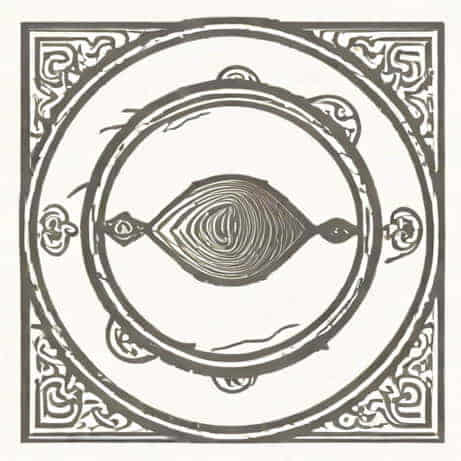
Etching on wove paper represents a unique intersection of artistic technique and material innovation, offering artists the ability to create detailed and expressive prints on a smooth, uniform surface. Wove paper, characterized by its even texture and absence of visible chain lines, became increasingly popular in the 18th and 19th centuries as printmaking evolved. When combined with etching, a method where an image is incised into a metal plate using acid, wove paper allows for a crisp transfer of lines and tonal variations. This combination not only enhances the aesthetic qualities of prints but also provides collectors and artists with durable, high-quality works. Understanding the history, process, and characteristics of etching on wove paper provides valuable insight into both traditional and modern printmaking techniques.
Understanding Wove Paper
Wove paper is a type of paper made using a finely woven wire mesh, resulting in a smooth surface without the prominent ridges or chain lines found in laid paper. This uniform texture allows for greater detail in printing, making it an ideal medium for etchings, engravings, and fine art prints. The development of wove paper in the 18th century marked a significant advancement in papermaking, providing artists with a surface that could capture delicate lines and subtle shading more effectively than earlier paper types.
Characteristics of Wove Paper
- Smooth SurfaceThe even texture of wove paper allows for detailed impressions in etchings.
- Absence of Chain LinesUnlike laid paper, wove paper does not have visible lines from the paper mold.
- DurabilityHigh-quality wove paper can withstand repeated pressings without tearing or deteriorating.
- VersatilitySuitable for both intaglio and relief printing techniques, enhancing the range of artistic expression.
The smoothness and consistency of wove paper make it an ideal choice for etching, where the precision of lines and subtle variations in ink play a critical role in the final artwork.
The Etching Process
Etching is a printmaking technique in which an artist uses acid to carve a design into a metal plate, typically copper or zinc. The plate is first coated with an acid-resistant ground, and the design is drawn into the ground using a pointed tool. When the plate is submerged in acid, the exposed lines are etched into the metal. After cleaning the plate, ink is applied to fill the incised lines, and the surface is wiped clean. The inked plate is then pressed onto wove paper, transferring the etched image with precision.
Key Steps in Etching on Wove Paper
- Preparing the PlateA metal plate is coated with an acid-resistant ground.
- Drawing the DesignThe artist incises lines into the ground, revealing the metal beneath.
- Etching with AcidThe plate is submerged in acid, which bites into the exposed metal lines.
- Inking the PlateInk is applied to the etched lines, then the surface is wiped clean.
- PrintingThe inked plate is pressed onto wove paper using a printing press, transferring the image.
This process allows for fine detail, rich textures, and subtle tonal variations, all of which are captured beautifully on the smooth surface of wove paper.
Historical Significance of Etching on Wove Paper
Etching on wove paper became particularly popular during the 18th and 19th centuries as artists sought greater precision and clarity in their prints. Wove paper allowed for finer details and more even ink distribution, making it preferable for reproductions of paintings, scientific illustrations, and intricate designs. Notable artists and printmakers recognized the advantages of combining etching with wove paper, producing works that were both technically sophisticated and visually striking.
Prominent Examples
- 18th-century engravings and illustrations often used wove paper to capture detailed line work.
- Scientific and botanical illustrations benefited from the smooth texture, which allowed for precise rendering of forms.
- Fine art prints, including portraits and landscapes, gained enhanced clarity and tonal richness when printed on wove paper.
The historical use of wove paper in etching demonstrates its importance in advancing the quality and aesthetic appeal of printed works.
Advantages of Etching on Wove Paper
There are several reasons why artists continue to favor etching on wove paper today. These advantages highlight both aesthetic and practical benefits.
Enhanced Detail and Clarity
Wove paper’s smooth surface allows for the clean transfer of fine lines and delicate shading, capturing the full nuance of the etched design. This makes it ideal for intricate artwork and reproductions that demand precision.
Improved Ink Absorption
The uniform texture of wove paper ensures consistent ink absorption, resulting in balanced tonal areas and uniform coverage. This creates prints that are visually appealing and professionally finished.
Durability and Longevity
High-quality wove paper is less prone to tearing or deterioration under repeated pressings, making it suitable for archival purposes. Prints on wove paper can retain their clarity and beauty for centuries if properly stored.
Versatility for Artists
Artists can experiment with various etching techniques, including soft-ground, aquatint, and drypoint, with wove paper providing a reliable surface that accommodates different styles and approaches.
Contemporary Uses and Artistic Applications
Today, etching on wove paper continues to be a popular method among printmakers, combining traditional craftsmanship with modern artistic expression. Contemporary artists use this technique to explore complex textures, layered compositions, and innovative approaches to printmaking. Wove paper’s adaptability and ability to render fine detail make it a preferred choice for limited edition prints, experimental works, and high-quality reproductions.
Applications in Modern Printmaking
- Fine art prints for gallery exhibitions and private collections
- Illustrations in limited edition books and portfolios
- Experimental prints incorporating mixed media and contemporary techniques
- Archival reproductions of historical artwork for study and preservation
The combination of etching and wove paper allows modern artists to produce works that are both visually striking and durable, bridging traditional methods with contemporary innovation.
Etching on wove paper represents a harmonious blend of artistic technique and superior material, offering artists a medium that captures intricate detail, tonal nuance, and visual clarity. From its historical emergence in the 18th century to contemporary applications, this combination has enhanced printmaking, making it possible to produce high-quality, durable, and aesthetically compelling works. Understanding the characteristics of wove paper, the etching process, and its historical and modern significance provides a comprehensive view of why this medium remains highly valued among artists and collectors alike. Whether used for fine art, scientific illustration, or innovative contemporary prints, etching on wove paper continues to demonstrate the enduring power and beauty of printmaking.