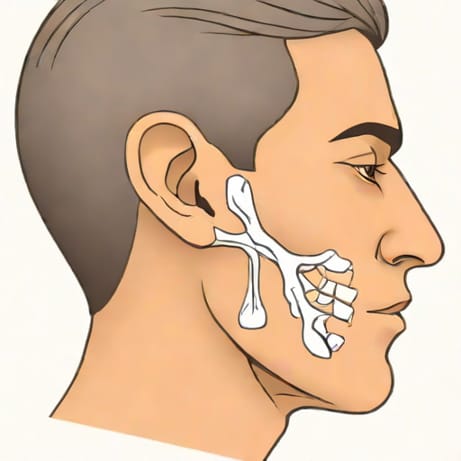
Ethmoid and maxillary sinusitis are common conditions affecting the sinuses, which are air-filled cavities located in the skull around the nose and eyes. These sinuses play an important role in humidifying the air we breathe, producing mucus to trap dust and microbes, and enhancing our voices. Sinusitis occurs when these cavities become inflamed due to infection, allergies, or structural issues, leading to discomfort and health complications. Ethmoid sinusitis affects the ethmoid sinuses, situated between the eyes, while maxillary sinusitis involves the maxillary sinuses located behind the cheeks. Both conditions can present simultaneously or separately, often causing overlapping symptoms that can impact daily activities, sleep quality, and overall well-being. Understanding the causes, symptoms, diagnosis, and treatment options is essential for effective management and relief.
Anatomy of Ethmoid and Maxillary Sinuses
The ethmoid and maxillary sinuses are part of the paranasal sinus system, which also includes the frontal and sphenoid sinuses. The ethmoid sinuses consist of multiple small air cells located between the eyes and the bridge of the nose. They are separated by thin bony walls and are closely connected to the nasal cavity. Maxillary sinuses are the largest of the paranasal sinuses, located in the cheekbones on either side of the nose. They drain into the nasal passages through small openings called ostia. Proper drainage of mucus from these sinuses is crucial to prevent infection, and any obstruction can lead to inflammation and discomfort. Sinus structure, individual anatomical variations, and the proximity to the nasal passages influence the risk of developing sinusitis.
- Ethmoid sinuses multiple small air cells between the eyes.
- Maxillary sinuses largest sinuses, located in the cheekbones.
- Both sinuses drain mucus into the nasal cavity through ostia.
- Proper drainage is essential to prevent infection and inflammation.
Causes of Ethmoid and Maxillary Sinusitis
Sinusitis occurs when the sinus lining becomes inflamed, often due to infection or irritation. Bacterial, viral, and fungal infections can trigger acute sinusitis, while chronic sinusitis may develop due to prolonged inflammation or structural abnormalities. Allergies, such as hay fever, can also cause swelling of the nasal passages, leading to blocked sinuses. Common causes include upper respiratory infections, nasal polyps, deviated septum, dental infections, and exposure to pollutants or irritants. Certain risk factors, such as smoking, immune deficiencies, and frequent exposure to allergens, increase susceptibility to ethmoid and maxillary sinusitis.
- Infections bacterial, viral, or fungal.
- Allergic reactions causing nasal swelling.
- Structural issues nasal polyps, deviated septum.
- Dental infections affecting maxillary sinuses.
- Environmental irritants and pollutants.
Symptoms of Ethmoid Sinusitis
Ethmoid sinusitis primarily affects the sinuses between the eyes, leading to specific symptoms. Pain or pressure around the eyes, especially near the bridge of the nose, is common. Patients may experience nasal congestion, runny nose, and postnasal drip, which can cause a sore throat or cough. Swelling around the eyes, reduced sense of smell, and headaches are additional symptoms. In severe cases, vision disturbances or fever may occur. Ethmoid sinusitis often causes tenderness when pressing the area between the eyes and may be mistaken for other conditions, such as allergies or migraine headaches.
- Pain or pressure between and behind the eyes.
- Nasal congestion and postnasal drip.
- Reduced sense of smell and headaches.
- Swelling around the eyes and possible fever.
- Tenderness near the bridge of the nose.
Symptoms of Maxillary Sinusitis
Maxillary sinusitis affects the sinuses behind the cheeks, producing distinct symptoms. Patients often experience facial pain or pressure in the cheeks, upper jaw, or teeth. Nasal congestion, thick nasal discharge, and postnasal drip are typical. Some individuals report fever, fatigue, and headaches. Pain may worsen when bending forward or lying down, reflecting pressure in the maxillary sinuses. Toothache or dental discomfort is another common symptom, as the roots of the upper teeth are close to the maxillary sinuses. Recognizing these symptoms is important for distinguishing maxillary sinusitis from dental or other facial conditions.
- Facial pain or pressure in cheeks, upper jaw, or teeth.
- Nasal congestion, thick nasal discharge, postnasal drip.
- Fever, fatigue, and headaches may occur.
- Pain worsens when bending forward or lying down.
- Possible toothache due to sinus proximity to upper teeth roots.
Diagnosis of Ethmoid and Maxillary Sinusitis
Diagnosing ethmoid and maxillary sinusitis involves a combination of clinical evaluation and imaging studies. A healthcare provider typically begins with a medical history and physical examination, assessing symptoms, nasal passages, and facial tenderness. Nasal endoscopy may be performed to visualize the sinuses directly. Imaging techniques, such as X-rays or computed tomography (CT) scans, help identify sinus blockages, fluid accumulation, or structural abnormalities. Laboratory tests, including nasal swabs or cultures, can determine the causative pathogen in cases of bacterial or fungal sinusitis. Accurate diagnosis is crucial for determining appropriate treatment and preventing complications.
- Medical history and physical examination.
- Nasal endoscopy to visualize sinuses.
- Imaging X-rays, CT scans to detect blockages or fluid.
- Laboratory tests for bacterial or fungal identification.
- Accurate diagnosis guides effective treatment.
Treatment Options
Treatment for ethmoid and maxillary sinusitis depends on the cause, severity, and duration of symptoms. Acute sinusitis caused by viral infections often resolves with supportive care, including rest, hydration, and nasal saline irrigation. Bacterial sinusitis may require antibiotics, while fungal infections are treated with antifungal medications. Decongestants, antihistamines, and corticosteroid nasal sprays can reduce inflammation and relieve symptoms. In chronic or severe cases, surgical intervention, such as functional endoscopic sinus surgery, may be necessary to restore proper drainage and address structural issues. Lifestyle modifications, such as avoiding allergens, quitting smoking, and using humidifiers, can help prevent recurrence.
- Supportive care rest, hydration, nasal saline irrigation.
- Medications antibiotics, antifungals, decongestants, corticosteroids.
- Surgical options for chronic or severe cases.
- Lifestyle changes to prevent recurrence.
- Management tailored to underlying cause and severity.
Complications and When to Seek Medical Attention
While many cases of ethmoid and maxillary sinusitis resolve with proper treatment, complications can arise if left untreated. Potential issues include chronic sinus infections, spread of infection to surrounding structures, orbital cellulitis, or meningitis in rare cases. Persistent fever, severe facial pain, vision changes, or swelling around the eyes should prompt immediate medical attention. Early intervention reduces the risk of complications and ensures more effective symptom management.
- Chronic sinus infections if untreated.
- Potential spread of infection to eyes or brain.
- Symptoms requiring urgent care severe pain, vision changes, swelling.
- Timely medical attention prevents complications.
Prevention of Sinusitis
Preventing ethmoid and maxillary sinusitis involves reducing exposure to infections and irritants, managing allergies, and maintaining nasal health. Frequent handwashing, avoiding close contact with sick individuals, and practicing good respiratory hygiene help prevent infections. Using a humidifier, staying hydrated, and performing nasal saline irrigation can keep nasal passages clear and reduce inflammation. Proper management of allergies with antihistamines or immunotherapy may also decrease the risk of recurrent sinusitis. Recognizing early symptoms and seeking prompt treatment contributes to prevention of severe or chronic conditions.
- Good hygiene to reduce infection risk.
- Humidifiers and nasal saline irrigation maintain nasal health.
- Hydration supports mucus clearance and sinus function.
- Allergy management prevents inflammation and blockage.
- Early symptom recognition allows prompt intervention.
Ethmoid and maxillary sinusitis are common but potentially disruptive conditions that affect the ethmoid and maxillary sinuses. Understanding their anatomy, causes, symptoms, and treatment options is essential for effective management. While many cases resolve with conservative care, timely medical attention is crucial for preventing complications and chronic issues. By combining appropriate medical treatment with preventive measures and lifestyle modifications, individuals can reduce the frequency and severity of sinusitis episodes. Awareness and education about these conditions help patients maintain overall sinus health, improve quality of life, and avoid long-term complications associated with untreated sinus infections.