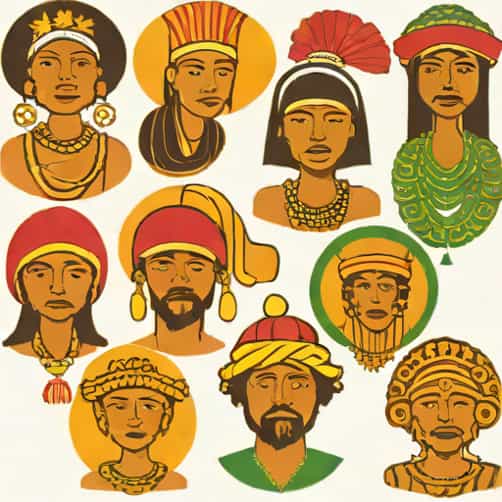
Mindanao, the second-largest island in the Philippines, is a region renowned for its cultural diversity and rich history. It is home to a complex mosaic of ethnic groups, each with unique languages, traditions, and belief systems. The island has long been a meeting point for indigenous communities, Muslim settlers, and Christian migrants from other parts of the Philippines. This diversity has shaped Mindanao’s social, political, and economic landscape, creating a vibrant tapestry of cultures. Understanding the ethnic groups in Mindanao is essential for appreciating its heritage, addressing social issues, and fostering unity among its people. The island’s ethnic composition reflects centuries of migration, trade, and cultural exchange, making it one of the most culturally rich areas in the country.
Indigenous Peoples of Mindanao
The indigenous peoples, often collectively referred to as Lumad, are the original inhabitants of Mindanao. The Lumad consist of more than 18 distinct ethno-linguistic groups, each with their own language, customs, and traditional practices. They have historically lived in the interior highlands, relying on agriculture, hunting, and fishing for sustenance. Despite challenges posed by modernization and land disputes, many Lumad communities continue to preserve their ancestral knowledge and cultural identity.
Key Lumad Groups
- ManoboOne of the largest indigenous groups, the Manobo are found in various provinces of Mindanao. They are known for their elaborate weaving, traditional dances, and rich oral literature.
- BagoboInhabitants of the Davao region, the Bagobo are recognized for their intricate beadwork and colorful traditional attire.
- B’laanLocated mainly in South Cotabato and Sarangani, the B’laan are famous for their unique tattooing traditions and weaving skills.
- T’boliResiding in the highlands of South Cotabato, the T’boli are celebrated for their T’nalak weaving and vibrant cultural performances.
- HigaononFound in Bukidnon and Misamis Oriental, the Higaonon maintain a strong connection to nature, practicing sustainable agriculture and preserving sacred forests.
Muslim Ethnic Groups in Mindanao
Muslim communities, collectively known as the Moro people, form a significant portion of Mindanao’s population. Islam was introduced to Mindanao around the 14th century, and the Moro people established sultanates such as Sulu and Maguindanao, which played a central role in regional politics and trade. The Moro people are culturally distinct, practicing Islamic traditions and maintaining their own legal and social structures in many areas. Their presence has greatly influenced Mindanao’s history, culture, and identity.
Major Moro Groups
- MaguindanaonPredominantly located in the Maguindanao province, they are known for their rich musical heritage, epic literature, and strong agricultural traditions.
- TausugCentered in the Sulu Archipelago, the Tausug are recognized for their maritime culture, boat-building skills, and vibrant cultural festivals.
- MaranaoInhabitants of Lanao del Sur and Lanao del Norte, the Maranao are famous for their sophisticated art forms, including the traditional okir carvings and kulintang music.
- YakanFound mainly in Basilan, the Yakan are skilled weavers, producing intricately patterned textiles that reflect their cultural identity.
- SamalAlso known as Bajau, the Samal are maritime people living in coastal communities, known for their boat-building and fishing expertise.
Christian Settler Communities
Over the past century, migration from other parts of the Philippines, particularly the Visayas and Luzon, has introduced Christian communities into Mindanao. These settlers primarily belong to the Cebuano, Ilonggo, and Ilocano ethnic groups. They brought new farming techniques, languages, and cultural practices, significantly contributing to the island’s agricultural and economic development. Their presence has also led to the establishment of towns and cities with a predominantly Christian population, creating a diverse religious and cultural landscape.
Notable Christian Ethnic Groups
- CebuanoOriginally from Cebu, they are now one of the largest Christian groups in Mindanao, known for their active community organizations and agricultural contributions.
- IlonggoMigrants from Iloilo and Negros Occidental, they settled in areas like South Cotabato and Davao, integrating with local communities while preserving their linguistic heritage.
- IlocanoFrom Northern Luzon, the Ilocanos brought rice cultivation techniques and contributed to the development of Mindanao’s agricultural regions.
Challenges and Cultural Interactions
Mindanao’s ethnic diversity has created both opportunities and challenges. While the island is rich in cultural heritage, it has also experienced conflicts related to land ownership, religious differences, and political autonomy. Indigenous groups often face threats to their ancestral domains from mining, logging, and development projects. Moro communities have historically sought self-determination and the protection of their cultural and religious identity. Despite these challenges, there are ongoing efforts to foster dialogue, promote intercultural understanding, and build peaceful coexistence among Mindanao’s various ethnic groups.
Preservation of Cultural Heritage
Efforts to preserve and promote the cultural heritage of Mindanao’s ethnic groups are gaining momentum. Initiatives include documentation of indigenous languages, protection of sacred sites, and promotion of traditional arts such as weaving, dance, and music. Educational programs and cultural festivals also play a role in raising awareness about the island’s diverse heritage, encouraging both locals and visitors to appreciate and respect the unique identities of each community.
Mindanao’s ethnic landscape is a vibrant mosaic of indigenous Lumad groups, Muslim Moro communities, and Christian settler populations. Each group contributes to the island’s rich cultural tapestry, shaping its traditions, languages, and social structures. While challenges related to land, religion, and political autonomy exist, the diverse ethnic composition of Mindanao also offers opportunities for intercultural dialogue, cooperation, and mutual enrichment. Understanding and appreciating these ethnic groups is essential for promoting social cohesion, cultural preservation, and sustainable development in one of the Philippines’ most dynamic regions. By recognizing the significance of Mindanao’s ethnic diversity, communities and policymakers can work together to ensure a future that honors heritage while fostering unity and progress.