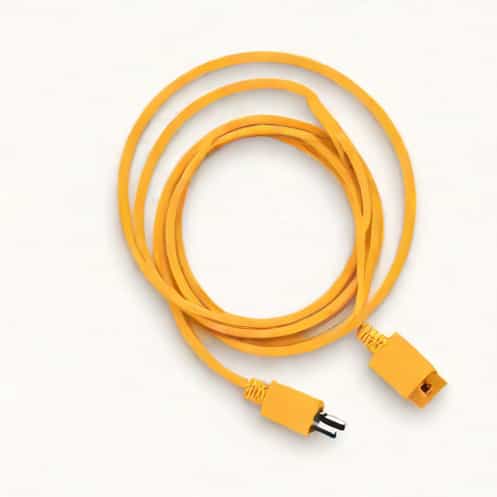
Using extension cords has become a common solution for reaching power outlets that are located far from where electricity is needed. However, many people wonder about the safety and practicality of connecting an extension cord to another extension cord. This scenario often arises in homes, workshops, or outdoor events where a single cord is not long enough to reach a device. Understanding the risks, proper methods, and best practices for linking extension cords can prevent electrical hazards and ensure that your equipment functions efficiently without overloading circuits.
Understanding Extension Cords
Extension cords are designed to carry electrical power from an outlet to devices that are located at a distance. They come in various lengths, gauges, and capacities depending on the power requirements of the connected devices. Using the right type of extension cord is essential because cords that are too thin for high-power devices can overheat, potentially causing fires. Extension cords also have limits on how much load they can safely carry, and exceeding this load is one of the main risks when chaining cords together.
Why People Connect Extension Cords Together
Many people connect one extension cord to another for convenience or necessity, especially when the available cord does not reach the desired distance. This method is often seen in construction sites, large gatherings, or temporary setups where electricity needs to be distributed over long distances. While it may seem harmless, chaining cords can increase resistance, reduce voltage, and pose significant safety risks if not done correctly.
Risks of Connecting Extension Cord to Extension Cord
There are several risks associated with linking extension cords, which should be carefully considered before attempting this setup
- OverheatingConnecting multiple cords can cause heat buildup, especially if the cords are not rated for the combined load.
- Voltage DropLonger cord runs increase electrical resistance, which can result in a lower voltage at the device end. This can affect the performance of sensitive equipment.
- Tripping HazardsMultiple cords running across floors or outdoor areas increase the risk of trips and falls.
- Fire RiskOverloaded or damaged cords are prone to sparking and can start a fire if used improperly.
Guidelines for Safe Use
To minimize risks when connecting extension cords, follow these important guidelines
- Always use cords that are rated for the wattage of the connected devices.
- Avoid using more than one extension cord in series whenever possible. Opt for a single cord of sufficient length and gauge.
- Inspect cords for damage, fraying, or exposed wires before connecting them.
- Do not run cords under carpets, doors, or areas where they can be pinched or damaged.
- Keep connections dry and away from water to prevent electrical shock.
Choosing the Right Extension Cord
When you find yourself needing more length, it’s better to choose an extension cord that is long enough for your purpose rather than chaining cords. Look for cords with the following features
- Proper GaugeThicker cords (lower gauge numbers) carry more current and are safer for high-wattage devices.
- Outdoor or Indoor UseUse outdoor-rated cords for exterior applications as they are more resistant to weather and abrasion.
- UL ListingCertified cords meet safety standards and reduce the risk of fire or electrical issues.
- Length ConsiderationsLonger cords can cause voltage drop, so choose a length that balances reach and performance.
Alternatives to Connecting Cords
Instead of connecting two extension cords, consider safer alternatives
- Use a single, appropriately rated cord of the required length.
- Install additional outlets closer to the device location.
- Use power strips with built-in surge protection, but ensure they are rated for the total load.
- For outdoor or large events, use professionally installed temporary wiring systems designed to handle higher loads safely.
Situations Where Connecting Cords May Be Acceptable
There are scenarios where linking cords is permissible if done cautiously
- Low-wattage devices such as lamps, phone chargers, or small electronics.
- Short-term, temporary setups where cords will not be under stress, and no heavy-duty equipment is connected.
- When using cords with proper ratings and ensuring that combined lengths do not exceed recommended maximums.
Best Practices for Temporary Use
If you must connect cords temporarily, adhere to these best practices
- Keep the setup under supervision and unplug when not in use.
- Ensure all connections are secure and fully inserted.
- Do not cover the cords with rugs, furniture, or other objects that may trap heat.
- Limit the number of cords connected in series to reduce voltage drop and overheating risks.
While connecting an extension cord to another extension cord can seem convenient, it comes with significant risks, including overheating, voltage drop, and fire hazards. The safest approach is to use a single, properly rated extension cord of sufficient length for your needs. If chaining cords is unavoidable, follow safety guidelines carefully and limit this practice to low-wattage, temporary applications. Understanding these principles ensures that your electrical devices operate safely and efficiently, while also minimizing the risk of accidents or damage. Proper planning, correct cord selection, and adherence to safety standards will make your electrical setup both practical and secure, allowing you to extend power without compromising safety.