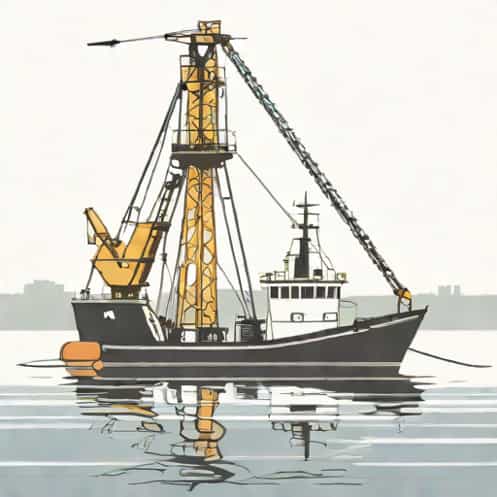
Fishing, lumbering, and shipbuilding harbors have historically been the lifeblood of coastal communities around the world. These harbors serve as multifunctional hubs where people gather to fish, transport timber, construct ships, and engage in maritime trade. The convergence of these industries creates a unique ecosystem that supports both local economies and cultural heritage. Fishing provides sustenance and commerce, lumbering ensures a steady supply of timber for construction, and shipbuilding harbors act as centers for innovation and craftsmanship. Understanding the interconnection of these activities highlights their importance to coastal development, community livelihoods, and maritime history.
Fishing in Harbor Communities
Fishing has been a cornerstone of coastal economies for centuries, and harbors serve as critical infrastructure for this activity. Harbors provide safe docking for fishing vessels, storage for catch, and markets where fish can be sold directly to consumers. The types of fishing vary by region, from small-scale artisanal fishing to commercial operations targeting specific species. Fishing harbors also support ancillary industries such as boat maintenance, ice production, and seafood processing, creating jobs and stimulating economic growth.
Economic and Social Importance
- Provides employment for fishermen, traders, and dock workers.
- Supplies local and international markets with fresh seafood.
- Supports secondary industries such as ice production, net making, and fish processing.
- Fosters community identity and tradition around maritime activities.
- Encourages sustainable practices to maintain fish populations and marine ecosystems.
Lumbering and Timber Transport
Lumbering has long been linked to coastal and riverside harbors, where timber can be efficiently transported for use in shipbuilding, construction, and trade. Timber harvested from nearby forests is often floated down rivers or transported by carts to the harbor, where it is stored, sorted, and shipped. The proximity of harbors to lumber sources reduces transportation costs and allows for faster integration of raw materials into local industries. Lumbering not only supports shipbuilding but also contributes to the local economy through employment and commerce.
Processes in Lumbering Harbors
- Harvesting and processing logs from nearby forests.
- Transporting timber to harbors via river floats, carts, or trucks.
- Sorting and storing wood for shipbuilding or sale.
- Exporting timber to other regions or countries.
- Maintaining sustainability by replanting and managing forest resources.
Shipbuilding Harbors
Shipbuilding harbors are specialized areas within larger ports where vessels are constructed, repaired, and maintained. These harbors are often located near both fishing and lumbering operations to facilitate access to raw materials and skilled labor. Shipyards in these harbors employ carpenters, welders, engineers, and designers who work together to create fishing boats, cargo vessels, and sometimes larger ships for naval purposes. Shipbuilding is a labor-intensive and skilled trade, and harbors provide the infrastructure necessary for dry docks, cranes, and workshops.
Components of a Shipbuilding Harbor
- Dry docks and floating docks for vessel construction and repair.
- Warehouses for storing lumber, metal, and shipbuilding materials.
- Workshops for carpentry, metalwork, and mechanical assembly.
- Cranes and lifting equipment for moving heavy ship components.
- Administrative offices to manage production, design, and logistics.
The Interconnected Nature of Harbors
Fishing, lumbering, and shipbuilding activities often coexist within the same harbor, creating a synergistic environment. Lumber harvested and transported through the harbor is used to build fishing boats, while the fish caught provide economic stability to communities that maintain the shipyards. Additionally, shipbuilding harbors often support the repair and maintenance of fishing vessels, ensuring that the fishing industry remains productive. This interconnectedness highlights the strategic importance of harbors as multifunctional centers of commerce and craftsmanship.
Benefits of Integration
- Streamlined access to raw materials for shipbuilding.
- Support of local employment across multiple industries.
- Efficient supply chains for timber, fish, and maritime equipment.
- Enhanced cultural heritage through the preservation of traditional trades.
- Economic resilience through diversification of harbor activities.
Environmental and Sustainability Considerations
While fishing, lumbering, and shipbuilding harbors are economically vital, they also pose environmental challenges. Overfishing can deplete marine populations, unsustainable timber harvesting can damage forests, and shipbuilding operations can pollute waterways. Modern harbors often implement regulations to ensure sustainable practices, such as quotas for fish, reforestation programs, and waste management systems in shipyards. By balancing economic activity with environmental responsibility, harbors can continue to thrive while protecting natural resources for future generations.
Strategies for Sustainable Harbors
- Implementing fishing quotas to prevent overfishing.
- Using sustainably harvested timber for shipbuilding and trade.
- Maintaining clean harbor waters through waste management.
- Recycling and reusing materials within shipyards.
- Monitoring environmental impacts and enforcing regulations.
Modern Developments in Harbor Infrastructure
Modern fishing, lumbering, and shipbuilding harbors are increasingly integrating technology and infrastructure improvements to enhance efficiency. Automated cranes, computer-aided design in shipbuilding, refrigerated storage for fish, and improved transport logistics all contribute to more productive harbors. Additionally, eco-friendly innovations such as renewable energy sources, water treatment facilities, and sustainable materials are becoming more common. These advancements ensure that harbors remain competitive in a global economy while maintaining their traditional roles as centers of community and trade.
Technological Innovations
- Computer-aided design (CAD) for precise ship construction.
- Automated cranes and loading systems for timber and fish cargo.
- Refrigeration and cold storage to preserve seafood quality.
- Use of renewable energy sources for harbor operations.
- Eco-friendly shipbuilding materials and techniques.
Fishing, lumbering, and shipbuilding harbors are integral to coastal economies, culture, and history. They function as hubs where essential industries converge, creating a dynamic and interconnected ecosystem. Fishing provides sustenance and trade, lumbering supplies the raw materials needed for construction, and shipbuilding harbors cultivate skilled labor and innovation. The integration of these activities fosters economic growth, social cohesion, and cultural preservation. As modern harbors adopt technological advancements and sustainable practices, they continue to serve as vital centers of industry while maintaining their historical and environmental significance. Understanding the complexity and value of these harbors highlights their ongoing importance to coastal communities and global maritime commerce.