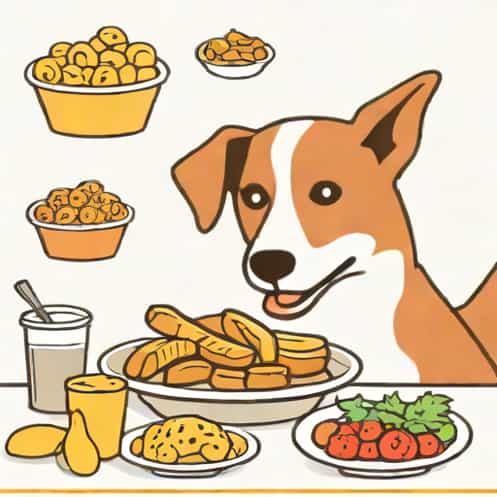
Food indiscretion in dogs is a common issue that many pet owners encounter. It refers to the consumption of inappropriate or harmful foods that a dog may find around the house, yard, or outside environment. Dogs are naturally curious and often explore their surroundings with their mouths, which can lead to ingestion of items that are unsafe or even toxic. Food indiscretion can result in a range of health problems, from mild digestive upset to life-threatening conditions. Understanding the causes, symptoms, potential dangers, and preventive measures is crucial for every dog owner to ensure their pet’s safety and well-being.
Understanding Food Indiscretion
Food indiscretion occurs when a dog eats something they are not supposed to, often out of curiosity, hunger, or boredom. Unlike humans, dogs lack the judgment to distinguish between safe and unsafe foods, which means even small amounts of certain foods can cause significant health issues. This behavior is especially common in puppies and younger dogs, who are more explorative, but adult dogs can also develop habits of scavenging for food. Recognizing the types of foods that can cause problems is a key step in preventing food indiscretion and ensuring your dog remains healthy.
Common Foods That Cause Problems
- Chocolate Contains theobromine and caffeine, which can be toxic to dogs and cause vomiting, diarrhea, rapid heart rate, or seizures.
- Grapes and Raisins Even small amounts can lead to kidney failure in dogs.
- Onions and Garlic These can damage red blood cells, leading to anemia.
- Fatty Foods Fried or greasy foods can trigger pancreatitis and gastrointestinal upset.
- Xylitol Found in sugar-free gum, candies, and baked goods, it can cause hypoglycemia and liver failure.
- Caffeine Coffee, tea, and certain soft drinks can overstimulate the nervous system and cause heart issues.
- Alcohol Even small amounts can be dangerous and lead to intoxication or organ damage.
Causes of Food Indiscretion
Several factors can contribute to food indiscretion in dogs. Understanding these causes can help owners implement strategies to reduce the risk of accidental ingestion.
Curiosity and Exploration
Dogs explore their environment through smell and taste, which often leads them to investigate food that is not meant for them. Puppies, in particular, are highly curious and may ingest anything that catches their attention.
Boredom and Anxiety
Dogs that are left alone for extended periods or lack mental stimulation may engage in food scavenging as a way to alleviate boredom or anxiety. This behavior can include raiding trash cans or stealing food from countertops.
Hunger or Poor Diet
Dogs that are not fed adequately or have imbalanced diets may be more inclined to seek out other food sources. Ensuring proper nutrition and portion control can reduce the likelihood of food indiscretion.
Symptoms of Food Indiscretion
The symptoms of food indiscretion can vary depending on what the dog consumed, the amount, and the dog’s size and health. Some dogs may show mild signs, while others may experience severe reactions.
Common Signs
- Vomiting and diarrhea, often occurring within hours of ingestion.
- Excessive drooling or nausea.
- Abdominal pain, bloating, or discomfort.
- Lethargy or unusual behavior changes.
- Rapid heart rate or tremors, especially with toxic foods like chocolate or caffeine.
- Loss of appetite or dehydration.
When to Seek Veterinary Care
If a dog shows severe symptoms, ingests a toxic substance, or exhibits ongoing vomiting, diarrhea, or lethargy, immediate veterinary care is essential. Early intervention can prevent serious complications such as organ damage or pancreatitis. Bringing the packaging or information about the ingested food to the veterinarian can help guide treatment.
Potential Health Risks
Food indiscretion can have short-term and long-term effects on a dog’s health. The severity depends on the type of food, quantity ingested, and the dog’s overall health condition.
Gastrointestinal Issues
One of the most common consequences is gastrointestinal upset, including vomiting, diarrhea, and abdominal discomfort. In some cases, ingestion of foreign objects or bones can cause blockages, which may require surgical intervention.
Toxicity and Organ Damage
Certain foods, such as chocolate, xylitol, grapes, and onions, are toxic and can lead to severe organ damage. Chocolate can affect the heart and nervous system, while grapes and raisins may cause kidney failure. Onion and garlic toxicity can result in anemia and weakness.
Pancreatitis
High-fat foods can trigger pancreatitis, a painful and potentially serious condition that requires veterinary treatment. Symptoms include vomiting, abdominal pain, fever, and loss of appetite.
Prevention of Food Indiscretion
Preventing food indiscretion is essential to keep dogs safe and healthy. Several strategies can be implemented at home and during walks or outdoor activities.
Proper Feeding and Nutrition
- Provide a balanced and consistent diet to ensure the dog’s nutritional needs are met.
- Feed dogs on a regular schedule to reduce the temptation to scavenge.
Safe Environment
- Keep harmful foods and substances out of reach, including trash cans, countertops, and tables.
- Use childproof locks or secure containers for toxic items.
- Supervise dogs during outdoor activities to prevent ingestion of plants or discarded food.
Training and Behavior Management
- Teach commands such as leave it or drop it to prevent dogs from eating inappropriate items.
- Provide mental stimulation and toys to reduce boredom-induced scavenging.
- Reward positive behavior when dogs ignore unsafe foods or objects.
Treatment and Recovery
If a dog consumes something inappropriate, early intervention is key. Depending on the type of food and symptoms, treatment may include inducing vomiting, administering activated charcoal, fluid therapy, or medication to control nausea and pain. In severe cases, hospitalization may be necessary. Monitoring the dog’s condition and providing supportive care at home after veterinary guidance ensures a smoother recovery and prevents complications.
Food indiscretion in dogs is a common but potentially serious issue that requires awareness, prevention, and prompt action. Understanding the types of harmful foods, recognizing symptoms, and implementing safe practices can significantly reduce the risk of accidental ingestion and associated health problems. By providing proper nutrition, training, supervision, and a safe environment, dog owners can protect their pets from the dangers of food indiscretion while promoting overall health and well-being. Awareness and proactive care are essential to ensure that every dog enjoys a safe and happy life without the risks posed by inappropriate or toxic foods.