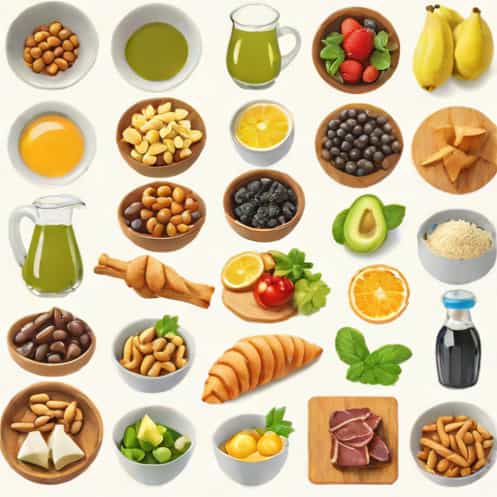
Glaucoma is a group of eye diseases that can damage the optic nerve and lead to vision loss if left untreated. While regular eye exams and proper medical management are essential for preventing glaucoma, research suggests that diet and nutrition also play a significant role in maintaining eye health. Consuming foods rich in antioxidants, vitamins, minerals, and other nutrients can help reduce oxidative stress in the eyes, improve blood flow, and support overall ocular function. Incorporating eye-friendly foods into daily meals may contribute to the prevention of glaucoma and support long-term visual health, making dietary choices an important aspect of eye care.
Understanding Glaucoma and Eye Health
Glaucoma is often associated with elevated intraocular pressure, which can damage the optic nerve over time. However, oxidative stress, poor blood circulation, and inflammation also contribute to the progression of this condition. Maintaining a diet that supports eye health helps reduce these risk factors. Nutrients such as vitamins C and E, beta-carotene, zinc, omega-3 fatty acids, and lutein are known to protect the eyes and reduce the likelihood of glaucoma development. Including a variety of these nutrients from natural food sources is an effective preventive strategy.
Leafy Green Vegetables
Leafy greens such as spinach, kale, collard greens, and Swiss chard are rich in lutein and zeaxanthin, two antioxidants that accumulate in the retina and protect the eyes from oxidative damage. These compounds filter harmful blue light and reduce the risk of optic nerve damage, which is crucial in glaucoma prevention. Consuming at least one serving of leafy greens daily can provide significant benefits for eye health.
Fruits High in Vitamin C
Citrus fruits like oranges, grapefruits, lemons, and limes, as well as berries such as strawberries and blueberries, are excellent sources of vitamin C. Vitamin C is a powerful antioxidant that helps protect the blood vessels in the eyes and reduces oxidative stress. Studies suggest that adequate vitamin C intake may help lower intraocular pressure and support overall ocular function, making these fruits a valuable addition to an eye-healthy diet.
Omega-3 Rich Foods
Omega-3 fatty acids, found in fatty fish such as salmon, mackerel, sardines, and trout, are essential for eye health. Omega-3s improve blood circulation to the optic nerve, reduce inflammation, and help maintain the structural integrity of eye cells. Plant-based sources like flaxseeds, chia seeds, and walnuts also provide omega-3 fatty acids. Regular consumption of these foods supports the prevention of glaucoma and promotes long-term visual health.
Colorful Vegetables and Carotenoids
Carrots, sweet potatoes, red bell peppers, and pumpkins are rich in beta-carotene, which the body converts into vitamin A. Vitamin A is crucial for maintaining the health of the cornea and retina. Beta-carotene, along with other carotenoids like lutein, helps reduce oxidative damage in the eyes, protecting against glaucoma and other vision-related conditions. Incorporating a variety of colorful vegetables ensures a diverse intake of protective nutrients.
Nuts and Seeds
Nuts and seeds, including almonds, sunflower seeds, and walnuts, are rich in vitamin E and healthy fats. Vitamin E is an antioxidant that protects eye cells from free radical damage. Regular consumption of nuts and seeds supports eye health, reduces inflammation, and may contribute to the prevention of glaucoma. A small handful of these nutrient-dense foods daily can provide significant ocular benefits.
Whole Grains
Whole grains such as oats, quinoa, brown rice, and barley are excellent sources of vitamin E, zinc, and niacin. These nutrients support healthy blood circulation and reduce oxidative stress in the eyes. Including whole grains in the diet helps maintain stable blood sugar levels, which indirectly supports eye health and reduces the risk of developing glaucoma and other eye diseases.
Legumes and Beans
Legumes such as lentils, black beans, kidney beans, and chickpeas provide zinc, bioflavonoids, and other minerals that support eye health. Zinc plays a crucial role in maintaining the function of the optic nerve and retina. Regular consumption of legumes can contribute to long-term eye protection and reduce the risk of glaucoma progression.
Green Tea
Green tea contains powerful antioxidants called catechins, which have anti-inflammatory properties and protect the eyes from oxidative damage. Drinking green tea regularly may improve ocular blood flow and protect the optic nerve, supporting overall eye health. Including one or two cups of green tea daily is a simple way to enhance antioxidant intake for glaucoma prevention.
Additional Tips for Eye Health
In addition to consuming eye-friendly foods, maintaining overall health supports the prevention of glaucoma
- Maintain a balanced diet with a variety of fruits, vegetables, whole grains, and lean proteins.
- Stay hydrated to support optimal blood circulation and eye function.
- Avoid excessive caffeine and alcohol, which may affect intraocular pressure.
- Exercise regularly to improve circulation and reduce the risk of high blood pressure, which can impact eye health.
- Protect eyes from excessive sun exposure by wearing sunglasses with UV protection.
Diet plays a crucial role in supporting eye health and preventing glaucoma. Foods rich in antioxidants, vitamins, minerals, and healthy fats help protect the optic nerve, reduce oxidative stress, and improve circulation in the eyes. Leafy greens, citrus fruits, fatty fish, colorful vegetables, nuts, seeds, whole grains, legumes, and green tea are all valuable additions to a diet aimed at preventing glaucoma. Coupled with healthy lifestyle habits, these foods provide essential nutrients that protect vision and support long-term ocular health. By making conscious dietary choices, individuals can take an active role in maintaining their eye health and reducing the risk of glaucoma development.