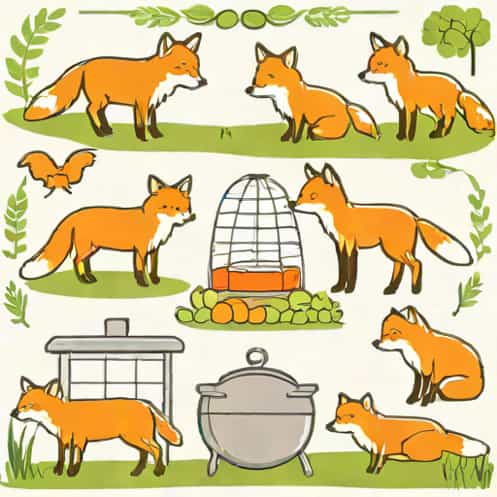
Establishing a consistent feeding schedule for a fox farm is essential for the health, growth, and wellbeing of the animals. Foxes require a carefully balanced diet that provides all the necessary nutrients, vitamins, and minerals to support their development, reproduction, and overall vitality. A proper feeding schedule not only ensures that foxes receive sufficient nutrition but also helps manage their behavior and reduce stress. For fox farm owners, understanding the specific dietary needs of foxes at different stages of life is crucial, as it directly impacts fur quality, immune system strength, and breeding success.
Understanding Fox Nutritional Needs
Foxes are omnivorous animals with dietary requirements that include proteins, fats, carbohydrates, vitamins, and minerals. In the wild, they consume a mix of small mammals, birds, insects, fruits, and vegetation. On a farm, these needs must be replicated with high-quality feed to ensure optimal health. Protein is particularly important, as it supports muscle development and fur growth, while fats provide a concentrated energy source. Vitamins such as A, D, and E, along with minerals like calcium and phosphorus, are essential for bone health and reproductive success.
Stages of Life and Feeding Requirements
Fox feeding schedules should be adjusted according to the age and physiological state of the animals. Kits, adults, and pregnant or lactating females all have distinct nutritional needs
- KitsYoung foxes require a higher protein intake to support rapid growth. Feeding should include easily digestible food, often in smaller, more frequent meals.
- Adult FoxesAdult foxes need a balanced diet that maintains body condition and fur quality. Regular feeding times help stabilize metabolism and prevent obesity.
- Pregnant and Lactating FemalesThese foxes require increased caloric intake and nutrient-dense food to support the development of kits and milk production.
Daily Feeding Schedule
Creating a daily feeding schedule helps maintain consistency, which is crucial for fox health and behavior. A structured feeding routine also reduces competition among animals and minimizes aggression during meal times. Most fox farms follow a schedule with two to three feeding sessions per day, depending on the age and needs of the foxes.
Morning Feeding
The morning meal is typically the largest of the day, providing the energy required for daytime activity. Adult foxes often receive a combination of commercial fox feed, fresh meat, and supplements. Kits may receive specially formulated high-protein meals. Morning feeding sets the tone for the day, ensuring foxes are active and alert.
Afternoon or Midday Feeding
Some farms include a lighter midday feeding, especially for kits or pregnant females. This meal can consist of small portions of protein-rich food, fruits, or vegetables. Afternoon feeding helps maintain consistent energy levels and supports proper digestion. It also allows caretakers to monitor the foxes’ health and eating habits throughout the day.
Evening Feeding
The evening feeding is generally lighter than the morning meal but still contains essential nutrients. For adult foxes, this can include small portions of meat, grains, or commercial feed. Evening feeding ensures that foxes have sufficient reserves for overnight metabolism and reduces nighttime hunger, which can lead to restlessness or stress.
Special Considerations for Fox Farm Feeding
Several factors should be considered when planning a fox farm feeding schedule. These include the type of feed, seasonal changes, and individual health conditions. Providing clean water at all times is also critical, as dehydration can lead to serious health problems. Foxes on farms may also benefit from occasional supplements such as fish oil, bone meal, or multivitamins to ensure complete nutrition.
Feed Types
Commercial fox feed is formulated to meet most nutritional requirements, but many farms also include fresh meat, fruits, vegetables, and eggs. Variety is important to prevent dietary deficiencies and maintain interest in the food. Rotating protein sources, such as chicken, rabbit, or fish, can help provide a balanced amino acid profile essential for fur and muscle development.
Seasonal Adjustments
Foxes’ caloric needs can vary with the seasons. In colder months, higher fat content is beneficial to support thermoregulation and energy expenditure. During warmer months, slightly lighter meals may prevent excessive weight gain. Seasonal adjustments in feeding schedules also help mimic natural food availability patterns, promoting healthy behavior and metabolism.
Monitoring and Adjusting Feed
Regular monitoring of weight, fur condition, and overall health is essential to determine if the feeding schedule is effective. Adjustments should be made based on growth rates, reproductive performance, and health observations. Foxes that are underweight may require additional feed or higher-calorie meals, while those gaining excess weight may need portion control. Consistent record-keeping helps optimize feeding schedules and ensures long-term farm success.
Benefits of a Structured Feeding Schedule
Implementing a structured feeding schedule offers multiple benefits for fox farms. Predictable meal times reduce stress and aggression among foxes, as animals learn when to expect food. Consistent feeding improves digestion and nutrient absorption, supporting overall health and fur quality. Additionally, a structured schedule allows farm caretakers to detect early signs of illness or dietary issues, enabling timely intervention and treatment.
Behavioral Advantages
Foxes on a predictable feeding schedule tend to exhibit calmer behavior, reduced food-related conflicts, and better social interactions. Regular feeding also encourages natural hunting and foraging instincts when food is presented in stimulating ways, such as hiding meat or using enrichment feeders. These practices improve mental stimulation and overall welfare for farmed foxes.
A well-planned fox farm feeding schedule is essential for maintaining healthy, productive, and happy animals. By understanding the nutritional requirements of foxes at different life stages, incorporating a variety of high-quality feeds, and maintaining consistent feeding times, farm owners can optimize growth, fur quality, and overall health. Monitoring and adjusting the schedule based on seasonal needs, individual health, and behavior ensures that the farm remains efficient and that the foxes thrive. With careful planning and attention to detail, a structured feeding schedule becomes the foundation of a successful and sustainable fox farming operation.