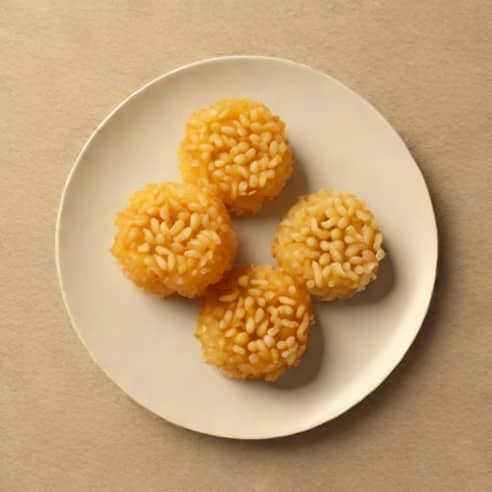
Fried glutinous rice cake is a beloved treat in many Asian cuisines, known for its chewy texture, subtly sweet flavor, and golden crispy exterior. This dish combines the unique stickiness of glutinous rice with the rich aroma of frying, creating a delightful contrast between soft and crunchy textures. Often served as a snack, dessert, or festive treat, fried glutinous rice cakes can be found in markets, street food stalls, and family kitchens. They are typically made from glutinous rice flour or freshly steamed sticky rice, and can be flavored with ingredients like coconut, sugar, sesame seeds, or sweet red bean paste. The simplicity of its ingredients, combined with the satisfying texture and flavor, makes fried glutinous rice cake a dish cherished across generations.
History and Cultural Significance
Fried glutinous rice cake has a long history in Asian culinary traditions, particularly in Chinese, Thai, Korean, and Vietnamese cultures. In many communities, sticky rice cakes symbolize unity, prosperity, and good fortune, often appearing in celebrations such as Lunar New Year, weddings, and harvest festivals. The act of making glutinous rice cakes is sometimes a communal activity, with families gathering to prepare, shape, and fry the rice cakes together. This tradition strengthens social bonds and preserves culinary heritage. Over time, the dish has evolved, incorporating various regional flavors and modern variations, while retaining its cultural significance.
Ingredients Used in Fried Glutinous Rice Cake
The main ingredient in fried glutinous rice cake is, of course, glutinous rice or glutinous rice flour. Other common ingredients enhance flavor, texture, and aroma. Key ingredients include
- Glutinous rice or glutinous rice flour – provides the chewy texture
- Sugar or palm sugar – adds sweetness
- Coconut milk – imparts a rich, creamy flavor
- Sesame seeds – for added crunch and aroma
- Cooking oil – for deep-frying until golden and crisp
- Optional fillings like red bean paste, mung bean paste, or sweet taro
These ingredients combine to create a balanced flavor profile that is sweet, slightly nutty, and delightfully chewy. Variations exist depending on local tastes and available ingredients, making each region’s version unique.
Preparation Methods
Preparing fried glutinous rice cake requires attention to texture and frying technique. There are two main approaches using pre-steamed sticky rice or glutinous rice flour. Both methods yield slightly different textures, but the goal is the same – a soft, chewy center and a crispy exterior.
Using Glutinous Rice Flour
Glutinous rice flour is mixed with water, sugar, and optional coconut milk to form a dough. The dough can be shaped into small cakes or balls, sometimes filled with sweet pastes. The cakes are then shallow or deep-fried in hot oil until they develop a golden-brown crust. This method is convenient and produces a consistent texture, making it popular in modern kitchens.
Using Steamed Sticky Rice
Steamed glutinous rice is often packed into molds or shaped by hand into small portions. These portions are lightly flattened and then fried in oil until the outside is crisp while the inside remains sticky. This traditional method produces a more rustic texture and preserves the natural flavor of the rice. It is often preferred for festive or ceremonial dishes.
Variations and Flavors
Fried glutinous rice cakes can be customized with a variety of flavors, fillings, and coatings. Some popular variations include
- Sweet coconut fried rice cakes, coated with grated coconut
- Red bean-filled rice cakes, offering a soft, sweet center
- Pandan-flavored rice cakes for a fragrant aroma
- Sesame-coated rice cakes for added crunch and nuttiness
- Taro or sweet potato-filled rice cakes for a richer taste
These variations allow the dish to appeal to different tastes and can be adjusted according to personal preference or regional traditions. The versatility of fried glutinous rice cakes makes them a favorite for both home cooks and professional chefs alike.
Serving Suggestions
Fried glutinous rice cake can be enjoyed on its own as a snack or dessert, or paired with other dishes. Some serving ideas include
- Sprinkled with powdered sugar or drizzled with honey for extra sweetness
- Accompanied by fresh fruits or fruit compote for a refreshing contrast
- Served alongside tea or coffee for a delightful snack experience
- Presented as part of a festive dessert platter during holidays and celebrations
The presentation and accompaniments can enhance the visual appeal and taste experience, making fried glutinous rice cake suitable for casual enjoyment or formal occasions.
Health and Nutritional Aspects
While fried glutinous rice cake is delicious, it is important to consume it in moderation due to its sugar and fat content from frying. However, glutinous rice itself provides carbohydrates that serve as an energy source. Adding ingredients like coconut or nuts can introduce healthy fats and additional nutrients. For a healthier variation, some cooks opt to pan-fry or lightly toast the cakes instead of deep-frying, reducing oil content while still maintaining some crispiness. Additionally, using natural sweeteners like palm sugar or honey can make the dish slightly healthier without compromising taste.
Tips for Perfect Fried Glutinous Rice Cake
Achieving the perfect fried glutinous rice cake requires some attention to detail. Key tips include
- Ensure the dough or rice portions are evenly shaped for consistent frying
- Maintain the correct oil temperature to prevent burning or uneven cooking
- Drain excess oil on paper towels after frying for a crispier texture
- Use fresh ingredients to enhance flavor and aroma
- Experiment with different fillings and coatings to create unique variations
Fried glutinous rice cake is a versatile and beloved dish with deep cultural roots and wide appeal. Its chewy texture, sweet flavor, and golden crisp exterior make it an irresistible snack or dessert. Whether prepared with glutinous rice flour or steamed sticky rice, the dish can be customized with a variety of fillings, flavors, and coatings to suit different tastes. Beyond its delicious taste, fried glutinous rice cake carries cultural significance, often appearing in festivals, celebrations, and family gatherings. By following proper techniques and experimenting with ingredients, anyone can create perfect fried glutinous rice cakes at home, enjoying a delicious treat that bridges tradition and creativity.