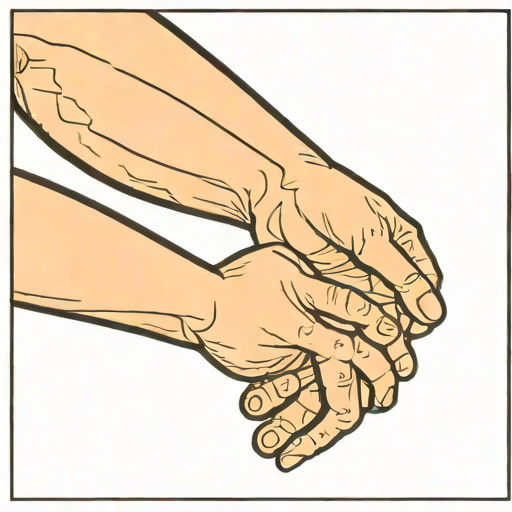
The glenohumeral joint, commonly referred to as the shoulder joint, is one of the most mobile and complex joints in the human body. It allows for a wide range of movements including flexion, extension, abduction, adduction, internal rotation, and external rotation. Due to its extensive mobility, it is also prone to injury, stiffness, and limited range of motion. Glenohumeral joint mobilization is a therapeutic intervention designed to improve joint movement, reduce pain, and restore normal shoulder function. This practice is commonly used in physical therapy and rehabilitation programs to address conditions such as frozen shoulder, rotator cuff injuries, post-surgical stiffness, and general shoulder dysfunction. Understanding the principles, techniques, benefits, and precautions of glenohumeral joint mobilization is essential for both clinicians and patients seeking effective treatment.
Anatomy of the Glenohumeral Joint
The glenohumeral joint is a ball-and-socket joint formed by the articulation of the head of the humerus and the glenoid fossa of the scapula. It is stabilized by a combination of static and dynamic structures, including the joint capsule, ligaments, tendons of the rotator cuff muscles, and surrounding musculature. The joint’s anatomy allows for an extensive range of motion, but this flexibility also increases the risk of dislocation and instability. Proper understanding of the joint’s anatomy is crucial for safe and effective mobilization techniques, ensuring that interventions target the correct structures without causing harm.
Key Components
- Head of the humerus – the ball component of the joint.
- Glenoid fossa of the scapula – the socket component.
- Rotator cuff muscles – supraspinatus, infraspinatus, teres minor, subscapularis.
- Joint capsule and ligaments – provide stability while allowing mobility.
- Bursae – fluid-filled sacs that reduce friction between structures.
Indications for Glenohumeral Joint Mobilization
Glenohumeral joint mobilization is indicated for a variety of conditions where shoulder movement is restricted or painful. Common indications include adhesive capsulitis, also known as frozen shoulder, where the joint capsule becomes stiff and limits motion. Other conditions include post-operative stiffness following shoulder surgery, rotator cuff injuries, shoulder impingement syndrome, and general joint hypomobility. Mobilization is often used in combination with other therapeutic interventions such as stretching, strengthening exercises, and manual therapy to achieve optimal results.
Common Indications
- Adhesive capsulitis (frozen shoulder) causing restricted range of motion.
- Post-surgical shoulder stiffness after rotator cuff repair or arthroscopy.
- Shoulder joint hypomobility due to prolonged immobilization.
- Rotator cuff injuries or tendinopathy leading to pain and limited movement.
- General joint dysfunction or pain during daily activities.
Techniques of Glenohumeral Joint Mobilization
Mobilization techniques for the glenohumeral joint are typically classified into grades based on the amplitude and intensity of movement. These techniques are performed by skilled physical therapists who apply controlled, passive movements to the joint. The primary goal is to restore mobility without causing pain or injury. Techniques can be applied in various directions including anterior, posterior, inferior, and lateral glides depending on the restriction observed during assessment.
Grades of Mobilization
- Grade ISmall amplitude, low-intensity movements used for pain relief at the beginning of range of motion.
- Grade IILarger amplitude movements within the available range to reduce pain and improve joint lubrication.
- Grade IIILarge amplitude movements that reach the end of available range to increase mobility.
- Grade IVSmall amplitude movements at the end of range to address stiffness and improve joint flexibility.
- Grade V (manipulation)High-velocity, low-amplitude movements often reserved for advanced interventions by licensed clinicians.
Directional Mobilization Techniques
- Anterior glideImproves external rotation and overall shoulder flexion.
- Posterior glideEnhances internal rotation and cross-body adduction.
- Inferior glideAids in abduction by allowing the humeral head to move downward within the socket.
- Lateral distractionSeparates the humeral head from the glenoid fossa, reducing pain and promoting overall mobility.
Benefits of Glenohumeral Joint Mobilization
The benefits of glenohumeral joint mobilization extend beyond simply increasing range of motion. Mobilization can reduce pain, improve joint nutrition, enhance circulation, and facilitate functional recovery. It also helps in breaking down adhesions within the joint capsule, which is particularly beneficial for conditions like frozen shoulder. Additionally, mobilization can improve proprioception and neuromuscular control, which contributes to better overall shoulder stability and function.
Key Benefits
- Improves shoulder range of motion and flexibility.
- Reduces pain and discomfort associated with stiffness or injury.
- Promotes joint lubrication and tissue health.
- Facilitates recovery from post-surgical stiffness or immobilization.
- Enhances functional ability for daily activities and sports.
Precautions and Contraindications
While glenohumeral joint mobilization is generally safe when performed by trained professionals, certain precautions must be observed. Mobilization should be avoided in cases of acute fractures, severe osteoporosis, joint infection, or unstable joint conditions. Patients with inflammatory arthritis, recent surgical wounds, or significant pain should be assessed carefully before mobilization. Continuous monitoring during the procedure is necessary to ensure that movements are within pain-free limits and do not exacerbate the injury.
Safety Guidelines
- Avoid mobilization in the presence of acute fractures or dislocations.
- Be cautious with patients having severe osteoporosis or fragile bones.
- Do not perform on infected joints or areas with active inflammation.
- Monitor patient feedback and pain levels continuously during treatment.
- Use gentle, graded techniques appropriate for the patient’s condition.
Integration with Rehabilitation Programs
Glenohumeral joint mobilization is often integrated into broader rehabilitation programs that include stretching, strengthening, and functional exercises. Combining mobilization with active exercises helps maintain the improvements in mobility and prevents recurrent stiffness. Physical therapists may also incorporate posture correction, scapular stabilization, and neuromuscular re-education to address underlying issues contributing to shoulder dysfunction. A comprehensive approach ensures that mobilization results translate into lasting functional improvements and reduced risk of future injury.
Rehabilitation Integration
- Pairing mobilization with stretching and strengthening exercises for the rotator cuff and surrounding muscles.
- Incorporating scapular stabilization exercises to improve shoulder mechanics.
- Gradually progressing from passive to active range of motion exercises.
- Emphasizing proper posture and ergonomics to prevent recurrent stiffness.
- Utilizing patient education to promote self-care and home exercises.
Glenohumeral joint mobilization is a valuable technique in physical therapy and rehabilitation, offering significant benefits for patients with restricted shoulder movement, pain, or post-surgical stiffness. By understanding the joint’s anatomy, appropriate indications, and safe mobilization techniques, therapists can effectively restore mobility and enhance functional outcomes. Proper integration into a comprehensive rehabilitation program ensures that improvements are maintained and that patients regain optimal shoulder function. With careful application, glenohumeral joint mobilization can be a key component in managing shoulder conditions and supporting long-term joint health.