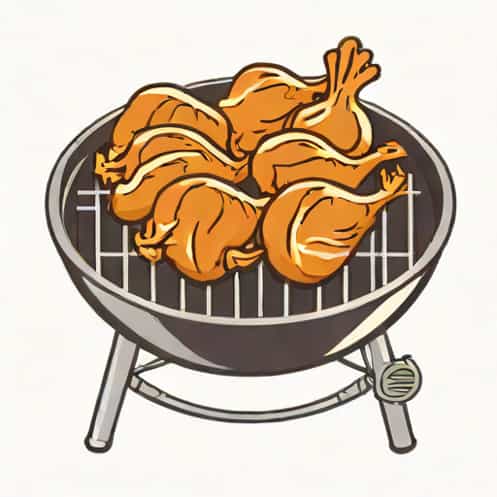
Grilling mouthwatering barbecue chicken is one of life’s simplest pleasures. The smoky aroma, sizzling sound, and juicy flavor of perfectly grilled chicken can turn an ordinary meal into a memorable feast. Whether it’s a weekend cookout with friends or a quiet dinner at home, barbecue chicken never fails to impress. The process may seem simple, but achieving tender, flavorful, and beautifully caramelized chicken requires a few important techniques and an understanding of how heat, timing, and seasoning work together.
Choosing the Right Chicken for Grilling
The foundation of delicious barbecue chicken starts with selecting the right cut. While whole chickens can be grilled, most people prefer using specific parts like thighs, drumsticks, or breasts. Dark meat, such as thighs and legs, tends to stay juicier and more forgiving during grilling. Chicken breasts, on the other hand, are leaner but can dry out if overcooked. For the best results, mix both light and dark meat so everyone can enjoy their favorite piece.
Fresh vs. Frozen Chicken
Fresh chicken is ideal because it grills evenly and absorbs marinades more effectively. If you use frozen chicken, be sure to thaw it completely in the refrigerator before cooking. This ensures even heat distribution and prevents raw spots inside the meat. Pat the chicken dry before marinating or seasoning to help the flavors adhere better and achieve a crispier surface when grilled.
Marinating for Maximum Flavor
A good marinade transforms ordinary chicken into something extraordinary. Marinating not only adds flavor but also helps tenderize the meat. The key is balancing acidity, sweetness, and spice. A classic barbecue chicken marinade might include ingredients like lemon juice or vinegar, olive oil, garlic, brown sugar, soy sauce, and a mix of spices. Letting the chicken marinate for at least two hours or ideally overnight allows the flavors to penetrate deeply.
Popular Marinade Ingredients
- AcidLemon juice, apple cider vinegar, or yogurt to tenderize the chicken.
- SweetnessHoney, brown sugar, or molasses for that signature caramelized crust.
- SpicesPaprika, chili powder, black pepper, cumin, and cayenne for heat and depth.
- OilOlive or vegetable oil to help the flavors coat the meat evenly.
- Garlic and herbsFresh rosemary, thyme, or parsley to add a fragrant finish.
Once marinated, let the chicken rest at room temperature for about 20 minutes before grilling. This helps it cook more evenly and prevents sudden temperature shock when placed on the hot grill.
Preparing the Grill
Proper grill preparation is essential for perfect barbecue chicken. Whether you’re using a charcoal or gas grill, the goal is to create zones of direct and indirect heat. Direct heat is used for searing the outside, while indirect heat slowly cooks the meat to juicy perfection. Make sure to preheat your grill for at least 10 15 minutes before adding the chicken. A clean and well-oiled grate prevents sticking and ensures those beautiful grill marks everyone loves.
Charcoal vs. Gas Grills
Charcoal grills provide a deep, smoky flavor that many people associate with authentic barbecue chicken. The glowing coals and natural smoke infuse the meat with rich, rustic notes. Gas grills, on the other hand, are more convenient and allow for precise temperature control. Whichever type you use, maintaining the right heat balance is the key to success.
Grilling the Chicken to Perfection
Start by placing the chicken pieces over the direct heat zone to sear both sides. This creates a flavorful crust and locks in moisture. After searing, move the chicken to the indirect heat side of the grill, close the lid, and let it cook slowly. This two-step process prevents burning and ensures the chicken cooks evenly inside and out.
Ideal Cooking Temperatures
- Grill temperature around 350 400°F (175 200°C)
- Internal temperature 165°F (74°C) for white meat, 170 175°F (77 80°C) for dark meat
Use a meat thermometer to check doneness without cutting into the chicken. Cutting too soon can cause juices to escape, leaving the meat dry. Let the chicken rest for at least five minutes before serving so the juices redistribute evenly.
Adding the Barbecue Sauce
Barbecue sauce gives grilled chicken its mouthwatering flavor and sticky finish. However, timing is everything. Applying sauce too early can cause it to burn due to the high sugar content. The best approach is to brush the sauce onto the chicken during the final 5 10 minutes of grilling. This allows it to caramelize perfectly without turning bitter or charred.
Homemade vs. Store-Bought Sauce
Homemade barbecue sauce allows you to control sweetness, heat, and smokiness. A basic sauce might combine ketchup, vinegar, brown sugar, Worcestershire sauce, and spices. Store-bought sauces are convenient but often vary in sweetness and thickness. Either option can produce excellent results when applied with care and patience.
Tips for Mouthwatering Results
To achieve that irresistible grilled barbecue chicken flavor, attention to detail makes all the difference. Here are some simple yet effective tips
- Don’t rush the processCooking too quickly can lead to burnt skin and undercooked meat. Take your time and let the chicken cook slowly over indirect heat.
- Keep the lid closedThis traps the smoky flavor and helps maintain a consistent temperature.
- Flip sparinglyTurning the chicken too often can cause it to lose juices. Flip only once or twice during grilling.
- Use wood chipsAdding soaked wood chips like hickory or applewood enhances the smoky aroma and deepens the barbecue flavor.
- Baste for moistureOccasionally brushing with melted butter, oil, or a bit of marinade can keep the chicken juicy.
Serving the Barbecue Chicken
Once your chicken is grilled to perfection, it’s time to serve it. Arrange the pieces on a platter and brush them with one last layer of warm barbecue sauce. Garnish with fresh herbs like parsley or cilantro for color and aroma. Barbecue chicken pairs beautifully with side dishes such as coleslaw, grilled corn, baked beans, or potato salad. For a more casual gathering, serve it with bread rolls or in sandwiches.
Leftovers and Storage
If you have leftovers, let the chicken cool completely before storing it in an airtight container. It will stay fresh in the refrigerator for up to three days. Reheat gently in the oven or on the grill to preserve its texture and flavor. Cold barbecue chicken can also be used in salads, wraps, or tacos for a quick and tasty meal.
Common Mistakes to Avoid
Even experienced grillers can make errors that affect the final result. Avoiding these common mistakes can make a big difference
- Applying sauce too early, which can cause burning.
- Grilling at excessively high heat, leading to charred outsides and raw centers.
- Skipping the resting time before serving, which makes the chicken lose moisture.
- Neglecting to clean the grill, which can cause sticking and uneven cooking.
Grilling mouthwatering barbecue chicken is a rewarding experience that combines skill, patience, and passion for good food. With the right preparation, seasoning, and technique, anyone can master the art of juicy, smoky, and flavorful grilled chicken. From selecting the best cuts to applying the perfect barbecue glaze, every step contributes to a dish that brings people together. Whether cooked over charcoal or gas, barbecue chicken remains a timeless favorite that captures the essence of outdoor cooking and the joy of shared meals.