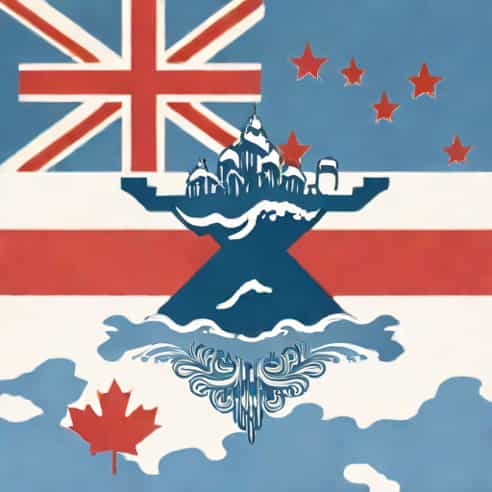
The story of Newfoundland joining Canada is a significant chapter in Canadian history, filled with political debate, economic challenges, and social transformation. For centuries, Newfoundland existed as a separate British colony, with a unique cultural identity and economic reliance on fishing and natural resources. Its journey to becoming the tenth province of Canada in 1949 was influenced by global events, local economic conditions, and the will of its people. Understanding this historical process requires exploring the political movements, referendums, and negotiations that ultimately led Newfoundland to join the Canadian Confederation.
Newfoundland’s Status Before Confederation
Before joining Canada, Newfoundland was not part of the original Canadian Confederation formed in 1867. Instead, it remained a British colony, governed by its own local institutions but under the oversight of the British Crown. The economy largely depended on the cod fisheries, which provided both employment and export income. However, the economic situation was often unstable due to fluctuations in fish stocks, trade disruptions, and global market changes.
The Impact of World War II
World War II played a pivotal role in shaping Newfoundland’s political and economic future. During the war, the island became strategically important for the Allies, with military bases established by both the United States and Canada. The presence of these bases brought temporary economic prosperity, employment opportunities, and modern infrastructure improvements. These changes influenced public opinion by exposing Newfoundlanders to the benefits of closer ties with Canada, including access to services, education, and healthcare.
The Economic Challenges of the 1930s
Prior to joining Canada, Newfoundland faced severe economic hardships, particularly during the Great Depression. The collapse of the cod industry and heavy government debt left the colony struggling to maintain basic services. In 1934, the British government suspended Newfoundland’s self-governing status and imposed a Commission of Government, effectively placing the colony under direct British administration. While this provided short-term stability, it also limited local political involvement and fueled debates about the future governance of the island.
Political Movements and the Question of Confederation
By the 1940s, discussions about Newfoundland’s future intensified. Three main options emerged continuing under the Commission of Government, returning to responsible self-government, or joining the Canadian Confederation. Political leaders, civic groups, and ordinary citizens debated the pros and cons of each choice. Proponents of Confederation argued that joining Canada would provide economic support, social services, and a more secure future. Those favoring self-government emphasized local autonomy, cultural identity, and skepticism about losing control over Newfoundland’s affairs.
The 1948 Referendums
The decisive moment came with the referendums held in 1948. The British government organized a vote to allow Newfoundlanders to choose their preferred path. In the first referendum, no option received a clear majority. A second referendum was held, pitting responsible self-government against Confederation with Canada. In this vote, a narrow majority favored joining Canada, leading to the formal process of union. The results highlighted a divided population but ultimately set the stage for Newfoundland’s entry into the Confederation.
Negotiations with Canada
Following the referendum, Newfoundland and Canadian officials entered negotiations to finalize the terms of union. Key topics included financial support, the provision of social services, representation in the Canadian Parliament, and protection of local industries. The negotiations ensured that Newfoundland would benefit from Canadian economic programs while maintaining certain regional rights. These agreements were essential to gaining public support and establishing a smooth transition into the Canadian political system.
Newfoundland Joins Canada
On March 31, 1949, Newfoundland officially became the tenth province of Canada. This historic event marked the end of centuries of separate governance and the beginning of a new chapter in Canadian history. The transition involved integrating local government structures with the federal system, extending Canadian laws and policies to the island, and providing economic and social support to its citizens. Newfoundland’s entry also contributed to shaping Canada’s national identity and geographic unity, reinforcing the country’s presence on the eastern seaboard.
Economic and Social Impacts
Joining Canada brought significant changes to Newfoundland’s economy and society. Federal investments in infrastructure, healthcare, and education improved living standards and created new opportunities. Social programs like unemployment insurance, family allowances, and public healthcare provided a safety net for citizens. Over time, these changes helped diversify the economy beyond fishing and strengthened Newfoundland’s connection to the broader Canadian economy.
Challenges and Adaptations
While Confederation offered benefits, Newfoundland also faced challenges adapting to Canadian policies and regulations. Local industries had to adjust to federal standards, and some residents initially resisted changes to traditional ways of life. Over the years, however, Newfoundland gradually integrated into Canadian society, balancing its unique cultural identity with the advantages of being part of a larger nation.
Legacy of Joining Canada
Newfoundland’s decision to join Canada left a lasting legacy. It demonstrated the power of democratic choice through referendums, the importance of negotiations in international and intergovernmental relations, and the influence of economic factors in shaping political decisions. Today, Newfoundland is recognized for its rich cultural heritage, vibrant communities, and contribution to Canada’s diversity and history. The province’s journey to Confederation serves as a reminder of the complexities and rewards involved in uniting regions under a shared national identity.
The story of how Newfoundland joined Canada is a multifaceted historical narrative that combines politics, economics, and social change. From its early days as a British colony to the economic challenges of the 1930s and the referendums of 1948, Newfoundland’s path to Confederation was marked by debate, negotiation, and the will of its people. Joining Canada in 1949 provided economic stability, access to social services, and political representation, while also presenting challenges of adaptation and integration. Today, Newfoundland stands as a proud province of Canada, reflecting both its unique heritage and its role in the broader Canadian story, illustrating how a combination of historical events and democratic choice can shape the destiny of a region.