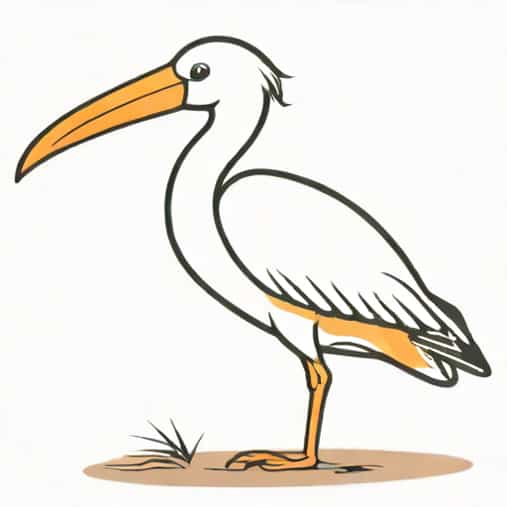
Spoonbills are unique and fascinating birds known for their distinctive spoon-shaped bills, which they use in remarkably specialized ways to find and capture food. These wading birds inhabit shallow waters, marshes, and wetlands, where their feeding techniques are perfectly adapted to their environment. Understanding how a spoonbill uses its beak reveals not only the incredible evolution of this bird but also the intricate relationship between physical adaptations and feeding behavior. The beak is not just a tool for eating; it is a versatile instrument that allows spoonbills to sense, capture, and consume prey efficiently, making it one of the most interesting features in avian biology.
Structure of the Spoonbill Beak
The spoonbill’s beak is long, flat, and widened at the tip, resembling the shape of a spoon. This unique shape is crucial for its feeding strategy. The edges of the beak are sensitive and lined with nerve endings that allow the bird to detect movement in the water. Spoonbills can feel the vibrations caused by small aquatic creatures, such as fish, insects, and crustaceans, even when visibility is low. The beak’s length enables the bird to reach into deeper water or mud while keeping its body balanced and stable.
Adaptations for Feeding
- Sensory AdaptationsThe spoonbill’s beak is equipped with touch-sensitive receptors that help it locate prey in murky or muddy waters.
- Shape and FlexibilityThe flat, spoon-like tip allows for sweeping through water and mud efficiently, maximizing the chance of capturing food.
- LengthThe long beak enables the bird to probe deeper areas that other birds might not reach.
Feeding Techniques of Spoonbills
Spoonbills use their beaks in several fascinating ways to feed. The primary technique is sweeping, where the bird moves its beak side to side in shallow water while walking slowly. This sweeping motion allows the spoonbill to encounter and detect prey using the sensitive tip of its beak. When the beak touches a potential meal, the bird quickly snaps it shut, capturing the prey efficiently. This method is highly effective for foraging in environments with low visibility, such as muddy wetlands or cloudy waters.
Sweeping Method
During the sweeping process, spoonbills often walk through shallow water with their bills partially submerged. They keep the beak slightly open at the tip, ready to snap shut when prey is detected. This movement is rhythmic and can cover large areas of water, allowing the bird to maximize its chances of finding food. Spoonbills often feed in groups, increasing efficiency and minimizing competition by distributing themselves across different sections of a wetland.
Probing and Filtering
In addition to sweeping, spoonbills can use their beaks for probing into soft mud or sand to find hidden prey. The beak can sense small movements and vibrations of invertebrates or small fish buried beneath the surface. Once detected, the bird quickly snaps its bill shut to capture the prey. Some spoonbills also use a filtering mechanism, where they scoop up water and then drain it out, trapping small aquatic creatures inside the bill. This combination of probing, sweeping, and filtering makes the spoonbill an incredibly versatile feeder.
Diet and Prey Capture
The spoonbill’s beak allows it to feed on a wide variety of prey, which includes small fish, insects, crustaceans, and aquatic larvae. The specialized shape of the bill enables the bird to catch slippery or hidden prey that other birds might miss. By using tactile sensations rather than relying solely on sight, spoonbills can hunt successfully even in murky waters or during low-light conditions, making them highly efficient foragers. The diet is supplemented by the ability to feed in different water depths, thanks to the length and sensitivity of the beak.
Group Feeding Behavior
Spoonbills often feed in flocks, which allows them to cover larger areas and locate food more efficiently. The beaks of several birds sweeping through the water can disturb prey, causing it to move and become easier to detect. The group dynamics combined with the specialized use of the beak enhance the overall success of capturing food. Feeding in groups also reduces the energy expenditure for each bird while providing social interaction opportunities.
Other Uses of the Beak
While primarily adapted for feeding, the spoonbill’s beak has other functions as well. It is used in courtship displays, where the bird shows off its bill to attract mates. In some species, the beak is also used for preening feathers and maintaining hygiene. Additionally, the strength and precision of the beak allow spoonbills to defend themselves against small predators or competitors for food, making it a multifunctional tool essential for survival.
Preening and Grooming
Preening involves cleaning and arranging feathers, which is vital for thermoregulation and flight efficiency. Spoonbills use their long, sensitive beaks to reach difficult areas, remove parasites, and spread oil from their preen glands. This activity helps maintain feather health and ensures that the bird can fly effectively and remain insulated against environmental conditions.
The spoonbill’s beak is a marvel of evolution, perfectly adapted to its feeding habits and lifestyle. It allows the bird to sense, capture, and consume a wide range of prey with efficiency and precision. The sweeping, probing, and filtering techniques highlight the versatility of the beak, while its additional uses in preening, grooming, and courtship demonstrate its multifunctional role. By studying how a spoonbill uses its beak, we gain insight into the close relationship between anatomical adaptations and survival strategies in birds. This specialized beak exemplifies the remarkable ways in which animals have evolved to thrive in specific environments, making the spoonbill a fascinating subject of study in ornithology and wildlife biology.