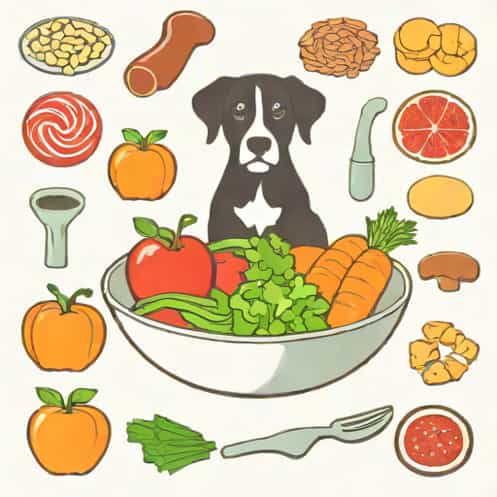
Feeding dogs a raw food diet has become increasingly popular among pet owners who are looking for a more natural and nutritious alternative to commercial kibble. Raw feeding involves giving dogs uncooked meat, bones, organs, and sometimes fruits and vegetables, aiming to mimic the diet of their wild ancestors. However, one of the most common questions for new dog owners considering this approach is how much raw food they should provide to ensure proper nutrition without overfeeding or underfeeding. The amount of raw food needed depends on factors such as the dog’s age, size, activity level, and overall health.
Understanding Raw Feeding for Dogs
Raw feeding, also known as the BARF diet (Biologically Appropriate Raw Food), focuses on providing dogs with high-quality protein, healthy fats, and essential vitamins and minerals in their natural form. This diet typically includes muscle meat, raw bones, organs, and occasionally vegetables and fruits. While raw feeding can provide benefits such as healthier skin, shinier coats, improved digestion, and higher energy levels, it is crucial to feed the right portion to meet the dog’s nutritional requirements without causing weight gain or nutrient deficiencies.
Components of a Raw Food Diet
- Muscle meat Chicken, beef, lamb, turkey, or fish
- Raw meaty bones Chicken wings, necks, or beef rib bones
- Organs Liver, kidney, heart, and spleen
- Optional vegetables and fruits Carrots, spinach, pumpkin, or apples
- Supplements Fish oil or multivitamins if necessary
Factors Affecting How Much Raw Food to Feed
The amount of raw food a dog requires depends on multiple factors that influence their energy needs and metabolism. Feeding too little can lead to malnutrition, while feeding too much can result in obesity and other health issues. Understanding these factors helps owners provide the correct portions for their dogs.
Dog’s Weight and Size
The most important factor is the dog’s body weight. Larger dogs require more calories and protein than smaller breeds. For example, a small dog weighing 10 pounds will need significantly less raw food per day than a large dog weighing 70 pounds. Feeding guidelines often use a percentage of the dog’s body weight to determine daily portions.
Age and Life Stage
Puppies, adult dogs, and senior dogs have different nutritional needs. Puppies are growing and require more calories and protein relative to their body weight, while senior dogs may require fewer calories but still need protein to maintain muscle mass. Adjusting raw food portions according to age ensures the dog’s nutritional needs are met at each stage of life.
Activity Level
Active or working dogs burn more calories and may require larger portions of raw food compared to sedentary or indoor dogs. Dogs that engage in daily exercise, running, or agility training will benefit from increased protein and fat intake to support energy demands. Conversely, less active dogs need smaller portions to prevent weight gain.
Health and Metabolism
Individual health factors, such as metabolism, digestive health, and medical conditions, influence how much raw food a dog should consume. Dogs with fast metabolism may require more food, while dogs with slower metabolism or obesity concerns may need reduced portions. Consulting a veterinarian can help determine the ideal feeding amount for dogs with special health considerations.
General Guidelines for Raw Food Portions
While exact portions vary, a common guideline is to feed adult dogs 2% to 3% of their body weight in raw food per day. Puppies may require 5% to 10% of their body weight, depending on growth rate and breed size. These percentages are typically divided into one or two meals per day.
Examples of Daily Raw Food Amounts
- Small dog (10 lbs) 3 5 ounces of raw food per day
- Medium dog (30 lbs) 10 15 ounces per day
- Large dog (70 lbs) 22 32 ounces per day
- Giant dog (100 lbs) 32 48 ounces per day
Dividing Meals
It is generally recommended to divide the daily raw food portion into two meals to improve digestion and reduce the risk of bloat in larger breeds. Smaller dogs may manage well on a single meal, but two meals often provide more balanced energy throughout the day. Feeding schedules should remain consistent to establish routine and optimize digestion.
Adjusting Portions Over Time
Monitoring a dog’s body condition is key to adjusting raw food portions. Owners should regularly check the dog’s weight, muscle tone, and overall health. If the dog gains excessive weight, portions should be reduced. Conversely, if the dog loses weight or appears hungry, portions may need to be increased. A healthy dog should have a visible waist, easily felt ribs, and maintained energy levels.
Signs of Correct Feeding
- Steady weight and healthy body condition
- Consistent energy levels and activity
- Shiny coat and healthy skin
- Normal stool consistency without digestive issues
Consulting a Veterinarian
Before starting a raw food diet, consulting a veterinarian is highly recommended. Vets can provide guidance on the proper balance of protein, fat, and essential nutrients. They can also suggest portion sizes based on breed, age, activity level, and health status. Regular veterinary check-ups ensure the dog receives adequate nutrition and that the diet supports long-term health.
Tips for Safe Raw Feeding
- Use high-quality, fresh meats from reputable sources
- Store raw food properly to prevent bacterial contamination
- Introduce raw food gradually to allow digestive adaptation
- Maintain clean feeding bowls and preparation areas
Determining how much raw food to feed a dog depends on several factors, including weight, age, activity level, health, and the type of raw diet being offered. A general guideline is 2% to 3% of body weight per day for adult dogs, with puppies requiring higher percentages. Monitoring body condition, dividing meals appropriately, and consulting a veterinarian can help ensure dogs receive the proper amount of nutrition for optimal health. By feeding the correct portion, owners can provide the benefits of a raw food diet, including improved digestion, healthier skin and coat, and increased energy, while avoiding overfeeding or nutrient deficiencies.