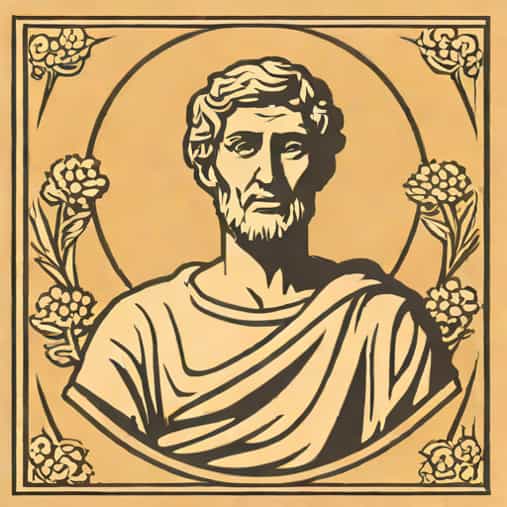
Gaius Valerius Catullus is one of the most renowned poets of ancient Rome, celebrated for his passionate and intensely personal poetry. Despite his fame, much about his life remains shrouded in mystery, including the exact circumstances of his death. Scholars agree that Catullus lived during the late Roman Republic, but there is uncertainty regarding the precise year of his death and how old he was when he passed away. Exploring his biography, historical context, and literary contributions can provide insight into his life and help approximate his age at death, giving readers a better understanding of this influential poet’s short but impactful life.
Biography of Catullus
Catullus was born around 84 BCE in the Roman town of Verona, which is located in northern Italy. He came from a wealthy and respected family, which allowed him access to education and connections in Roman society. From an early age, he demonstrated a talent for poetry, eventually moving to Rome to immerse himself in the literary and political life of the city. His works, particularly his poems to Lesbia-a pseudonym for Clodia, a Roman matron-reflect themes of love, friendship, politics, and personal emotion, distinguishing him from many of his contemporaries.
Catullus’ Literary Career
Catullus’ poetry, compiled in the collection known as the Carmina, consists of 116 poems of varying lengths and styles. His work is noted for its emotional intensity, ranging from passionate love poems to biting invective against political rivals and acquaintances. The direct and personal nature of his verse has captivated scholars and readers for centuries, offering a glimpse into the private life and feelings of a Roman poet. Despite his relatively small body of work, Catullus’ influence on later poets, including Ovid and Propertius, is considerable.
The Uncertainty Surrounding His Death
The exact details of Catullus’ death are unknown. Ancient sources provide little information, and much of what is known comes from references in his poetry and later historical accounts. Scholars generally agree that he died young, likely before reaching the age of 40. The most commonly cited estimate places his death around 54 BCE, though some sources suggest he may have died slightly earlier or later. This uncertainty is partly due to the scarcity of contemporary biographical records from that period.
Historical Context
Catullus lived during a turbulent period in Roman history, marked by political upheaval and civil wars. The late Roman Republic was characterized by social strife, the rise of influential generals, and the eventual transition to the Roman Empire. While there is no direct evidence linking Catullus’ death to political events, the unstable environment of his time likely influenced his writing and may have contributed indirectly to the challenges he faced in life.
Estimating Catullus’ Age at Death
Given that Catullus was born around 84 BCE and likely died around 54 BCE, most scholars estimate that he was approximately 30 years old at the time of his death. This young age aligns with the perception of his poetry, which conveys both intense emotion and the brevity of life. The fact that he produced such a substantial and influential body of work in a short span of time adds to the impression of Catullus as a prodigious and passionate literary figure.
Evidence from Poetry
Some clues about Catullus’ age and life can be inferred from his poems. References to youthful experiences, personal relationships, and the social dynamics of Roman society suggest a poet who was actively engaged in public and private life during his twenties. The intensity and immediacy of his emotions, particularly in the Lesbia poems, indicate a young man navigating love, friendship, and political observation, further supporting the notion that he died relatively young.
Scholarly Consensus
- Birth c. 84 BCE in Verona, Roman Republic
- Death c. 54 BCE in Rome or northern Italy (exact location unknown)
- Estimated Age at Death Approximately 30 years old
While these dates are approximations, they are widely accepted among historians and literary scholars. The exact year may never be definitively established, but the consensus on his early death helps frame Catullus’ work as the output of a young poet experiencing intense emotional and social life in the Roman Republic.
Factors Contributing to Early Death
The reasons for Catullus’ early death remain speculative. Some scholars suggest illness as a probable cause, as ancient Rome faced widespread diseases and limited medical knowledge. Others propose that the stresses of urban life, political instability, or personal hardships may have contributed. There is also speculation based on the tone of his later poems, which sometimes reflect disillusionment and melancholy, suggesting that health or social factors may have affected his final years.
Impact of Early Death on His Legacy
Catullus’ relatively short life did not prevent him from leaving a lasting mark on Roman literature. His early death may have contributed to the intensity and brevity of his poetic expression, capturing moments of passion and emotion in ways that resonate with readers even today. The youthful vigor and urgency in his poems suggest a life lived intensely, even if briefly, making his work all the more compelling and enduring.
Catullus in Historical Perspective
Despite dying around the age of 30, Catullus’ influence on literature has been significant. He helped shape the Roman love elegy tradition and influenced subsequent poets in both the Roman and later European literary canon. His ability to blend personal emotion with literary artistry makes him a model for the expressive potential of poetry, showing that even a brief life can leave a profound cultural legacy.
Preservation of Works
Catullus’ poems were preserved through manuscripts copied over centuries, ensuring that his voice survived long after his death. Scholars have analyzed his work to understand not only his literary skill but also the historical and social context of his life. The preservation of his work highlights the enduring fascination with both his poetry and the life of a poet who died young.
Catullus, one of the most influential poets of ancient Rome, likely died around 54 BCE, making him approximately 30 years old at the time of his death. Although the exact details of his life and passing remain uncertain, the impact of his work is undeniable. His poetry captures the intensity of human emotion, the complexities of love and friendship, and the nuances of Roman society, all achieved in a remarkably brief lifespan. Understanding that he died young provides context for the urgency and passion in his writing, reinforcing the view of Catullus as a poet whose short life produced enduring literary brilliance. While many questions about his death may remain unanswered, the legacy of Catullus continues to inspire readers and scholars, highlighting the timeless power of poetry and the remarkable achievements possible even in a life cut short.