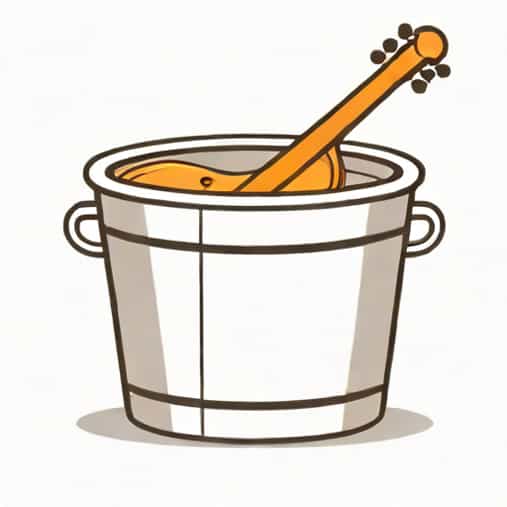
The washtub bass fiddle is a unique, homemade musical instrument that has been used in folk and jug band music for decades. It produces deep, resonant bass tones and can be crafted using simple materials commonly found around the home. Building a washtub bass fiddle is both a creative and rewarding process, allowing musicians to experiment with sound, rhythm, and improvisation. Understanding the materials, design, and techniques for making this instrument helps ensure that it produces a rich, full sound while remaining durable and playable. Whether you are a beginner or an experienced musician, creating a washtub bass fiddle can be a fun and educational project.
Materials Needed for a Washtub Bass Fiddle
Before constructing a washtub bass fiddle, gather the necessary materials. These items are generally inexpensive and easy to obtain, making the project accessible to most people. Selecting the right materials will influence the sound quality and playability of the instrument.
Essential Materials
- WashtubA metal washtub or large metal basin serves as the resonator. The size and shape of the tub affect the tone and volume.
- Wooden StickA sturdy broom handle, dowel, or wooden pole functions as the neck of the fiddle. The stick must be strong enough to withstand string tension.
- StringA strong cord, rope, or heavy-duty fishing line is used to create the bass string. Nylon or gut strings work well.
- Screws, Nails, or HooksThese are used to attach the string to the washtub and secure it to the stick.
- Drill or HammerNeeded to make holes for attaching the string and other components.
- Optional Tuning PegA tuning peg or bolt can be added to adjust string tension and pitch more precisely.
Step-by-Step Construction of a Washtub Bass Fiddle
Building a washtub bass fiddle requires careful assembly to ensure stability and proper sound production. The following steps outline a straightforward approach to constructing the instrument.
Step 1 Prepare the Washtub
Begin by selecting a clean, sturdy metal washtub. Examine the tub for dents or sharp edges that could interfere with the instrument’s sound or cause injury. Drill a hole on one side of the tub, near the rim, to attach one end of the string. This hole will serve as the anchor point for the string tension.
Step 2 Select and Prepare the Wooden Stick
Choose a wooden stick that is strong and straight. The length of the stick typically ranges from 4 to 6 feet, depending on the desired size of the instrument. Sand any rough edges to prevent splinters and ensure comfortable handling. The bottom of the stick will rest inside the washtub, while the top will be pulled back to create string tension.
Step 3 Attach the String
Secure one end of the string to the hole in the washtub using a screw, nail, or hook. Ensure that the attachment is tight and stable. The other end of the string will be looped around the top of the wooden stick, creating a triangle between the tub, string, and stick. Adjust the string length to achieve the desired pitch and tension.
Step 4 Positioning the Stick
Insert the bottom end of the stick into the center of the washtub. The stick should be angled so that when pulled backward, the string becomes taut. Experiment with the angle and position to find the optimal tension for producing deep, resonant bass notes. The stick acts as both the neck of the instrument and a lever to control pitch.
Step 5 Fine-Tuning the Instrument
Once the string is attached and the stick is positioned, test the sound by plucking or striking the string. Adjust the tension by moving the stick or using a tuning peg if installed. The string’s pitch changes with tension, allowing you to create different notes. Experimenting with string thickness and length can also modify the sound quality.
Playing Techniques for a Washtub Bass Fiddle
After constructing the washtub bass fiddle, learning how to play it effectively enhances the musical experience. The instrument is versatile and can be used in various musical genres, especially folk, bluegrass, and jug band music.
Plucking the String
The most common method of producing sound is plucking the string with fingers or a pick. Adjust the force and speed to vary volume and tone. Experiment with different plucking techniques to create rhythmic patterns and dynamic sound variations.
Changing Pitch
The pitch of the string is controlled by adjusting the tension of the wooden stick. Pulling the stick further back increases tension and raises the pitch, while releasing it slightly lowers the pitch. This allows for a range of notes and enables the musician to play simple melodies or bass lines.
Striking the Washtub
In addition to plucking the string, you can strike the washtub body with hands or mallets to add percussive elements. This technique adds rhythm and texture to performances, making the instrument more dynamic and engaging for audiences.
Maintaining and Improving Your Washtub Bass Fiddle
Proper care and maintenance of the washtub bass fiddle ensure that it remains functional and produces consistent sound quality. Regular checks and adjustments are important for durability and performance.
Checking String Tension
Over time, the string may stretch or loosen. Regularly check and adjust the tension to maintain the desired pitch. Replace the string if it shows signs of wear or fraying to prevent breakage during use.
Protecting the Wooden Stick
Inspect the stick for cracks or splinters that could affect stability. Sand rough areas and apply a protective coating if desired to prolong the stick’s lifespan. A strong, well-maintained stick is essential for consistent performance and safety.
Enhancing Sound Quality
Experiment with different string types, washtub sizes, and construction techniques to enhance the sound. Using heavier or thicker strings can produce deeper tones, while varying the size of the washtub can affect resonance and volume. Personalizing the instrument allows for creative expression and a more enjoyable playing experience.
Making a washtub bass fiddle is a rewarding project that combines craftsmanship, creativity, and musical exploration. By gathering basic materials such as a metal washtub, wooden stick, and string, you can construct a functional bass instrument capable of producing rich, resonant tones. Following the step-by-step construction process ensures stability and optimal sound, while learning plucking, tension control, and percussive techniques enhances musical expression. Regular maintenance and experimentation with materials and design allow for continuous improvement and customization. Whether for solo play, group performances, or educational purposes, building and playing a washtub bass fiddle provides an engaging hands-on experience that connects traditional folk music with modern creativity, offering endless opportunities for musical discovery.