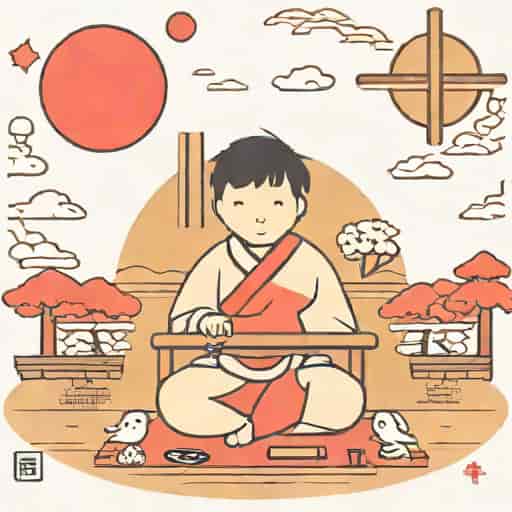
Understanding the concept of inheritor in Japanese culture and language provides insight into both linguistic nuances and societal traditions surrounding family, legacy, and property. In Japan, inheritance is not merely a legal matter but is also deeply tied to family lineage, social responsibilities, and cultural expectations. The term inheritor refers to the individual who receives property, wealth, or social position from a predecessor, often within a family context. Japanese society places significant importance on the passing down of assets, business ownership, and family duties, and the language used to describe these roles reflects this cultural emphasis. Exploring how inheritor is expressed in Japanese, its usage in various contexts, and the legal and cultural implications can provide a comprehensive understanding of inheritance practices in Japan.
Terminology for Inheritor in Japanese
In Japanese, the word for inheritor depends on the context in which it is used. One of the most common terms is ç¸ç¶äºº (sÅzokunin), which literally translates to successor or heir. This term is used primarily in legal and formal contexts to refer to someone who is entitled to inherit property, money, or other assets according to Japanese inheritance law. Another term, è·¡åã (atotori), is often used in family and business contexts, particularly when referring to the person who will inherit a family business or take over family responsibilities.
ç¸ç¶äºº (SÅzokunin)
The term sÅzokunin is composed of two kanji ç¸ç¶ (sÅzoku), meaning succession or inheritance, and 人 (nin), meaning person. This term is widely used in legal documents, official discussions, and formal announcements regarding inheritance. For example, in legal proceedings, a document might state who the sÅzokunin of a deceased person is, specifying the rightful heirs under the law. It is important to note that in Japanese inheritance law, the order of succession and the distribution of assets is regulated, and sÅzokunin identifies those legally entitled to inherit.
è·¡åã (Atotori)
Atotori carries a more familial and traditional connotation and is often associated with inheriting responsibilities, businesses, or family positions rather than purely financial assets. Historically, Japanese families often emphasized the importance of a male atotori to continue the family line, manage ancestral property, and uphold family honor. In modern times, while the practice of primogeniture (eldest son inheritance) has declined, the term still conveys the idea of continuity and responsibility beyond mere wealth transfer.
Cultural Context of Inheritance in Japan
Inheritance in Japan is deeply intertwined with cultural values, family obligations, and social hierarchy. The concept of an inheritor is not only about receiving assets but also about assuming responsibilities for maintaining family legacy and honor. Traditionally, the eldest son was expected to inherit the family home and business, care for elderly parents, and uphold family traditions. Although modern laws allow more equitable distribution among children, cultural expectations can still influence who is perceived as the primary inheritor.
Family Obligations
Being an inheritor in Japan often involves more than inheriting material wealth. The inheritor may be expected to perform ancestral rites, maintain family properties, and ensure that the family’s social standing remains intact. This sense of duty is particularly strong in families with long-standing businesses or prominent social positions. The role of the inheritor thus combines legal rights with cultural responsibilities.
Modern Inheritance Practices
In contemporary Japan, inheritance practices have evolved with changes in family structure, gender roles, and legal frameworks. Japanese inheritance law allows children, spouses, and sometimes parents to be recognized as legal heirs, and distribution of property is often negotiated among family members. However, cultural traditions still play a role, and family discussions about inheritance may involve considering the capability, commitment, and interest of potential inheritors, not just their legal entitlement.
Legal Aspects of Inheritor in Japan
The role of an inheritor in Japan is governed by the Civil Code, which outlines the rights and responsibilities of heirs. Japanese law specifies how assets are divided among spouses, children, and other relatives, taking into account both statutory shares and any expressed wishes in a will. Legal heirs, or sÅzokunin, must follow procedures for reporting inheritance, paying taxes, and transferring property. Understanding these legal requirements is essential for anyone designated as an inheritor to ensure compliance and avoid disputes.
Inheritance Tax
In Japan, inheritors are subject to inheritance tax, which is calculated based on the value of the assets received. Proper legal and financial planning is often necessary to manage tax obligations efficiently. The government provides guidelines and exemptions, but failing to comply with reporting requirements can result in penalties. This legal framework highlights the importance of formal recognition of inheritors and careful documentation of the inheritance process.
Disputes Among Heirs
Disputes over inheritance are not uncommon in Japan, especially when multiple heirs are involved or when cultural expectations conflict with legal rights. Mediation and legal proceedings may be necessary to resolve disagreements. Recognizing the rightful sÅzokunin and clearly documenting intentions in a will can help minimize conflicts and ensure a smooth transfer of assets and responsibilities.
Language and Communication
Understanding how to refer to an inheritor in Japanese is useful not only for legal or cultural discussions but also for daily communication. In casual contexts, families might use simpler expressions such as heir (ç¸ç¶è , sÅzokusha) or even refer to the specific individual by name when discussing succession. Knowledge of appropriate terminology helps avoid misunderstandings and conveys respect for both the legal and cultural significance of inheritance.
Expressions Related to Inheritor
- 家ãç¶ã (ie o tsugu) – To inherit or take over the family home or responsibilities.
- 家æ¥ãç¶ã (kagyÅ o tsugu) – To inherit the family business.
- ç¸ç¶æç¶ã (sÅzoku tetsuzuki) – Inheritance procedures or formalities.
- è·¡åãæ å (atotori musuko) – Eldest son designated as the family heir.
The concept of an inheritor in Japanese encompasses legal rights, cultural traditions, and social responsibilities. Whether referred to as sÅzokunin in formal legal contexts or atotori in familial and traditional settings, the inheritor plays a critical role in preserving family legacy, managing assets, and upholding cultural values. Understanding the terminology, legal obligations, and cultural expectations surrounding inheritance in Japan provides a comprehensive perspective on this important social institution. For anyone navigating Japanese inheritance, recognizing the dual significance of material and cultural inheritance is key to fulfilling the responsibilities of an inheritor with respect and diligence.