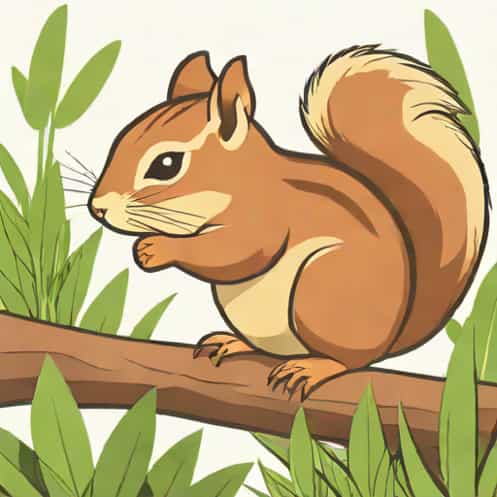
Chipmunks are small, energetic rodents often seen darting around forests, gardens, and parks, gathering food and stuffing their cheek pouches with seeds. Their adorable behavior makes people curious about what these little creatures actually eat. Many assume chipmunks are herbivores because they’re frequently spotted munching on nuts and berries. However, the truth about a chipmunk’s diet is more complex than it may appear. To understand whether a chipmunk is a herbivore, it’s essential to explore what they eat in the wild, how they adapt to seasonal changes, and what role they play in the ecosystem.
Understanding the Chipmunk’s Diet
At first glance, chipmunks may seem like classic plant-eaters. They are often seen collecting seeds, acorns, and grains-food sources typically associated with herbivorous animals. However, scientists classify chipmunks as omnivores, not strict herbivores. This means that while plants make up the majority of their diet, chipmunks also consume small amounts of animal matter such as insects, bird eggs, and worms.
Their omnivorous nature allows them to survive in a wide range of environments. In the wild, food availability changes with the seasons, and being able to eat both plants and small animals ensures they can find nourishment year-round. During spring and summer, when insects are plentiful, chipmunks may eat more protein-rich foods, while in autumn they focus on storing nuts and seeds for the winter months.
Typical Foods Chipmunks Eat
Chipmunks have a diverse diet that reflects their adaptability. They are opportunistic feeders, meaning they will eat almost anything available that provides nutrition. Below are some of the common foods chipmunks consume
- Seeds and nutsThese are staples in the chipmunk’s diet and are often stored for winter. Acorns, sunflower seeds, and hazelnuts are favorites.
- Fruits and berriesChipmunks love sweet, juicy foods such as berries, apples, and grapes, which provide natural sugars and hydration.
- Vegetables and grainsThey may nibble on corn, wheat, and other grains found in gardens or farms.
- InsectsSmall insects like beetles, caterpillars, and grasshoppers are eaten occasionally for protein.
- Bird eggs or small nestlingsThough rare, chipmunks sometimes raid bird nests for eggs, especially when plant foods are scarce.
- Mushrooms and fungiThey occasionally eat mushrooms found in forested areas.
This variety in their diet is what defines them as omnivores rather than pure herbivores. Their willingness to consume both plant and animal matter gives them a nutritional advantage and helps them survive in changing environments.
Herbivorous Behavior in Chipmunks
While chipmunks are not strictly herbivores, they do display strong herbivorous tendencies. A significant portion of their diet consists of plant-based foods. Their digestive systems are well-adapted to handle seeds, nuts, and fruits, which make up the bulk of their nutritional intake. This is why many people mistakenly believe chipmunks are herbivores.
In fact, during autumn, chipmunks spend much of their time collecting and storing plant material to prepare for winter hibernation. They gather acorns, pine cones, and other seeds in their cheek pouches and transport them to underground burrows. This behavior highlights their dependence on plants for survival during the cold months when insects and other animal-based foods are not easily available.
Chipmunks as Omnivores
The omnivorous nature of chipmunks becomes especially clear when we examine their feeding habits in different seasons. In spring, chipmunks emerge from hibernation and immediately begin searching for protein sources. At this time, they often consume insects, worms, and small amphibians to regain energy and rebuild strength after winter. As summer approaches and plant food becomes abundant, they shift back to fruits, seeds, and grains.
This dietary flexibility is crucial to their survival. If chipmunks were strict herbivores, they might struggle during times when vegetation is limited. By eating insects and eggs, they ensure they always have access to essential nutrients, particularly protein and fat, which are necessary for energy and reproduction.
Digestive Adaptations
Chipmunks possess teeth and digestive systems suitable for both plant and animal matter. Their sharp incisors help them crack open nuts and seeds, while their molars grind food efficiently. They can digest fibrous plant material as well as soft animal tissues, which shows how well-adapted they are to an omnivorous diet.
Moreover, their cheek pouches play a key role in food collection. These expandable pockets allow chipmunks to carry large quantities of seeds and nuts to their burrows, where they sort and store food for later use. This behavior is more characteristic of herbivorous rodents but also supports their overall omnivorous strategy.
Chipmunks and Ecosystem Balance
Chipmunks play an important ecological role in forest ecosystems. Their habit of collecting and burying seeds helps with forest regeneration. Many of the seeds they hide are never retrieved, eventually sprouting into new plants and trees. This natural seed dispersal process contributes to biodiversity and healthy forest growth.
At the same time, their consumption of insects helps control pest populations. By eating bugs, they maintain a natural balance that prevents insect overpopulation. Their dual role as seed dispersers and insect predators illustrates how their omnivorous diet benefits the environment.
Predators and Survival
Despite their adaptability, chipmunks are vulnerable to several predators, including hawks, snakes, foxes, and domestic cats. Their small size makes them easy targets, so they rely on quick reflexes, burrows, and camouflage to survive. Eating a wide variety of foods ensures that they can find nourishment even when certain sources are scarce due to predation pressure or habitat changes.
How Humans View Chipmunks
To many people, chipmunks are charming creatures that bring life to gardens and forests. However, gardeners sometimes see them as pests because they dig up soil to store food or nibble on plants and bulbs. Understanding that chipmunks are omnivores can help people manage them more effectively and humanely. Providing natural food sources, such as acorns or birdseed, can sometimes divert them from damaging cultivated gardens.
For wildlife enthusiasts, observing chipmunks offers insight into how small mammals adapt to their environment. Their constant movement, food collection, and cautious nature reflect their survival instincts. Watching a chipmunk fill its cheek pouches is not only entertaining but also a reminder of how well these animals have evolved to balance their plant and animal diet.
Comparing Chipmunks to Other Rodents
When compared to squirrels, chipmunks have similar eating habits but differ in behavior. Squirrels also eat nuts, fruits, and occasionally insects, making them omnivorous as well. Mice and rats share this trait too. What sets chipmunks apart is their burrowing behavior and preference for smaller, more frequent meals. They tend to eat and store smaller quantities of food, relying heavily on seeds and nuts but supplementing their diet with protein sources when needed.
Why Classification Matters
Understanding whether a chipmunk is a herbivore, carnivore, or omnivore helps scientists study ecosystems more accurately. Knowing that chipmunks eat both plants and small animals helps ecologists predict how they affect seed distribution, insect populations, and food chains. Their eating habits make them an integral link between producers (plants) and higher-level predators.
So, is a chipmunk a herbivore? The answer is no-chipmunks are omnivores. While the majority of their diet consists of plant-based foods like seeds, nuts, and fruits, they also eat insects, bird eggs, and small invertebrates when available. This balanced diet helps them thrive in various environments and ensures their survival throughout the seasons. Their omnivorous behavior not only benefits their own species but also contributes to ecological stability by spreading seeds and controlling insect populations. The next time you spot a chipmunk scurrying around with full cheek pouches, remember that this tiny creature plays a vital role in nature’s intricate food web.