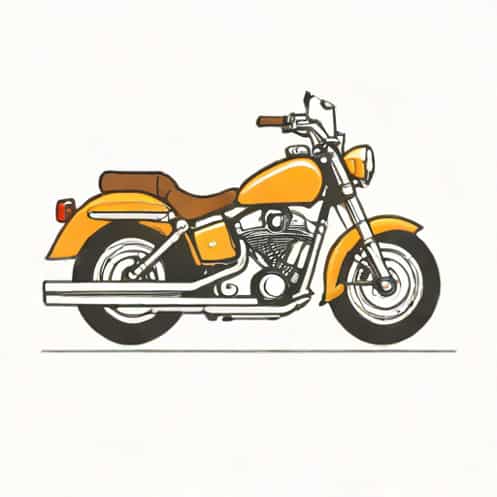
When people hear the word chopper, images of long forks, stretched frames, and roaring engines often come to mind. But for many, a question remains is a chopper really a motorcycle, or is it something entirely different? While the answer may seem simple, the world of motorcycles is filled with nuance, history, and individuality. Understanding what defines a chopper helps us appreciate how this unique style became a symbol of freedom, creativity, and rebellion on two wheels.
What Exactly Is a Chopper?
At its core, a chopper is indeed a type of motorcycle – but it’s not just any motorcycle. The term chopper refers to a custom-built bike that has been radically modified, or chopped, from its original design. The word comes from the idea of chopping off unnecessary parts to make the bike lighter, sleeker, and more personalized. Choppers are known for their elongated front forks, stripped-down frames, and unique designs that reflect the owner’s individual taste and mechanical skill.
Unlike factory motorcycles that come standardized from manufacturers like Harley-Davidson or Honda, a chopper is typically built or modified by hand. It represents the rider’s vision of what a motorcycle should be – not just a vehicle for transportation, but an expression of identity.
The Origin of Chopper Motorcycles
The chopper movement began in the United States after World War II. Many returning soldiers had experienced the thrill of motorcycles during the war and wanted to recreate that feeling of freedom. They began buying surplus military bikes and modifying them. They removed heavy parts like fenders and windshields, shortened or bobbed the rear fender, and stripped down anything that wasn’t essential. This led to the creation of bobbers, the predecessors of choppers.
By the late 1950s and 1960s, motorcycle enthusiasts began taking these modifications even further – extending forks, stretching frames, and dramatically changing the bikes’ silhouettes. The result was the birth of the true chopper a long, low, custom-built motorcycle that looked and felt unlike anything else on the road.
Key Features That Define a Chopper
Although every chopper is unique, there are certain features that make them recognizable. These characteristics help distinguish choppers from other types of motorcycles
- Extended Front ForksChoppers often feature long forks that extend far out from the front of the bike, giving it a stretched, aggressive look.
- Raked FrameThe angle of the front end is typically increased, which adds to the elongated appearance and affects how the bike handles.
- Minimalist DesignChoppers are stripped down to the essentials. Anything unnecessary – like large fenders, mirrors, or gauges – is removed.
- Custom Paint and DetailingOwners often personalize their choppers with elaborate paint jobs, chrome finishes, or custom parts.
- Unique Handcrafted PartsMany choppers feature handmade components, from handlebars to exhaust pipes, emphasizing craftsmanship and individuality.
These features make each chopper a one-of-a-kind creation, blending engineering with artistry. No two choppers are exactly alike, which is part of their enduring appeal.
Choppers vs. Standard Motorcycles
While all choppers are motorcycles, not all motorcycles are choppers. The difference lies in their design philosophy and purpose. Standard motorcycles are built for practicality, performance, and comfort, while choppers are built for self-expression and style.
Design Philosophy
Manufacturers design standard motorcycles to meet safety regulations, optimize fuel efficiency, and provide a comfortable ride for a wide range of riders. Choppers, on the other hand, are designed according to personal preference. Functionality often takes a back seat to aesthetics. For example, long front forks may make a chopper harder to handle at low speeds, but they give it a dramatic, unforgettable look.
Riding Experience
Riding a chopper feels very different from riding a standard motorcycle. The stretched frame and altered steering geometry create a unique handling experience. Choppers are typically not built for speed or long-distance comfort – they’re built for cruising, showing off, and enjoying the ride itself. Many riders describe it as a raw, pure connection between the rider, the machine, and the road.
Customization and Identity
One of the most significant differences is the level of customization. A factory-made motorcycle might reflect the brand’s identity, but a chopper reflects the rider’s. From the handlebars to the exhaust pipes, every choice on a chopper is personal. It’s not uncommon for builders to spend months or even years perfecting a single bike, ensuring that every detail aligns with their vision.
The Cultural Impact of Choppers
Choppers have become cultural icons, representing freedom, rebellion, and individuality. In the 1960s and 1970s, they gained massive popularity thanks to movies like Easy Rider, where the chopper became a symbol of counterculture and the open road. The image of a long-forked motorcycle gliding across the desert highway captured the imagination of millions.
Beyond film, choppers influenced art, fashion, and even music. Bands and artists often used chopper imagery to convey a sense of independence and nonconformity. The bikes became more than machines – they became symbols of a lifestyle that valued freedom over conformity.
Famous Builders and Custom Shops
Over the decades, several builders and custom shops have defined the art of chopper building. Names like Indian Larry, Jesse James, and Arlen Ness became legends in the motorcycle world. Their creations pushed the limits of design and engineering, proving that choppers could be both beautiful and functional. Television shows like American Chopper later brought this subculture into the mainstream, introducing audiences around the world to the craftsmanship behind custom motorcycle building.
Modern Choppers and Their Evolution
Today, choppers continue to evolve. While the golden age of chopper culture peaked in the 1970s, the passion for custom motorcycles never disappeared. Modern builders blend classic chopper aesthetics with new technologies, creating bikes that honor tradition while improving performance and safety.
Some contemporary choppers incorporate lightweight materials, advanced suspension systems, and more efficient engines. Others stick closely to old-school designs, emphasizing handcrafted frames and vintage styling. The beauty of the chopper scene is that there are no strict rules – creativity always comes first.
Choppers in Today’s Motorcycle Community
Within the broader motorcycle community, choppers hold a special place. They’re admired for their craftsmanship and individuality, even among riders who prefer different types of bikes. Events and rallies like Sturgis and Daytona Bike Week often feature chopper showcases, where builders and enthusiasts come together to celebrate their shared passion for two-wheeled art.
Social media has also played a role in reviving interest in choppers. Builders can now share their creations with global audiences, inspiring new generations of motorcycle enthusiasts to pick up a wrench and start chopping their own rides.
Is a Chopper a Motorcycle? The Final Answer
Yes, a chopper is absolutely a motorcycle – but it’s more than just a type of bike. It’s a statement. It represents freedom from convention, both mechanically and culturally. While a standard motorcycle may roll off an assembly line, a chopper is born in a garage, shaped by imagination and personal expression. It’s a motorcycle in spirit, function, and soul – but with an extra layer of individuality that makes it stand out from the crowd.
So, when someone asks, Is a chopper a motorcycle? the answer is both simple and profound. A chopper is a motorcycle, but it’s also a symbol of creativity, rebellion, and independence. It embodies the essence of what motorcycling is all about – freedom, craftsmanship, and the open road. Whether hand-built from scratch or modified from an existing bike, a chopper is a rolling piece of art that captures the human desire to ride, explore, and express. In the end, a chopper doesn’t just move you physically – it moves you emotionally, reminding every rider that the journey is just as important as the destination.