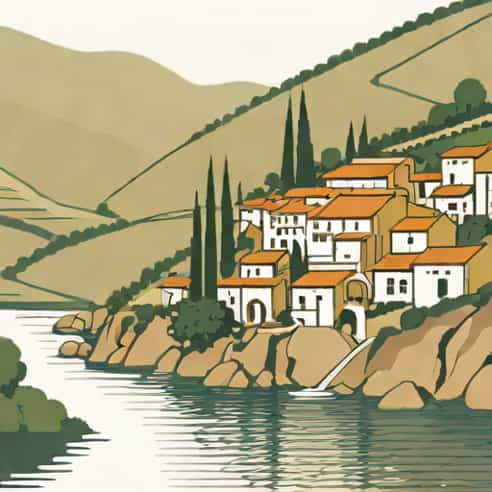
The Douro Valley in Portugal is world-renowned for its stunning landscapes, terraced vineyards, and rich history in wine production, particularly port wine. Visitors to this region often explore its charming towns, scenic river views, and cultural landmarks. One question that frequently arises among travelers and wine enthusiasts is whether Pinhão, a small yet significant town, is located in the Douro Valley. Understanding Pinhão’s location, role in the region, and its attractions can enrich any visit to northern Portugal and provide a deeper appreciation for the area’s heritage.
Location of Pinhão
Pinhão is indeed located in the heart of the Douro Valley, situated along the Douro River. It is part of the municipality of Alijó in northern Portugal and serves as a key hub for tourism and wine production. The town’s strategic location along the river allows it to be both a picturesque destination and a practical base for exploring surrounding vineyards and quintas, which are traditional wine estates. For travelers planning a trip to the Douro Valley, Pinhão’s central location makes it ideal for river cruises, wine tours, and scenic drives through terraced landscapes.
Significance in the Douro Valley
Pinhão holds a unique position in the Douro Valley due to its long-standing connection to port wine production. Many of the region’s most famous quintas are located around Pinhão, making it a prime destination for wine tasting and vineyard tours. The town’s railway station is renowned for its beautiful azulejo tile panels, depicting historical scenes of the Douro Valley, further highlighting Pinhão’s cultural significance. Its role as a wine transport hub historically also emphasizes its importance in connecting the valley’s production areas to the wider world.
Attractions in Pinhão
Pinhão offers visitors more than just wine. Its scenic riverfront, quaint streets, and traditional architecture create a charming atmosphere. Key attractions include
- Pinhão Railway StationFamous for its blue-and-white tile murals illustrating regional history and winemaking scenes.
- Wine Estates (Quintas)Several quintas around Pinhão offer guided tours, tastings, and insights into the port wine production process.
- Douro River CruisesPinhão serves as a departure point for boat tours along the Douro River, providing breathtaking views of vineyards and terraces.
- Local CuisineVisitors can enjoy traditional Portuguese dishes in Pinhão, often paired with local wines.
Wine Tourism and Pinhão
The Douro Valley is synonymous with port wine, and Pinhão is at the center of this thriving industry. Wine enthusiasts can explore a range of experiences, from small boutique wineries to larger, established quintas. Tastings typically include different varieties of port and table wines, often accompanied by explanations of the unique soil, climate, and production methods that make Douro wines distinctive. Seasonal festivals in the region further celebrate grape harvests and winemaking traditions, with Pinhão often playing a central role.
Accessibility and Transportation
Pinhão is accessible by car, train, and river. The train route from Porto to Pinhão offers scenic views of the Douro Valley, making it a popular choice for tourists. Driving through the valley allows visitors to stop at various viewpoints and quintas along the way. Additionally, river cruises provide a unique perspective of Pinhão and its surroundings, emphasizing the town’s close connection to the Douro River. These transportation options make Pinhão a convenient and attractive destination for travelers exploring northern Portugal.
Local Culture and Traditions
Beyond its wine heritage, Pinhão offers a glimpse into traditional Portuguese culture. The town preserves customs, festivals, and culinary practices that reflect the broader Douro Valley lifestyle. Markets, local artisans, and traditional eateries provide an authentic experience for visitors. Engaging with the local community and participating in cultural events enhances the understanding of the town’s role within the valley and highlights its contribution to maintaining regional traditions.
Planning a Visit to Pinhão
When planning a visit to Pinhão, travelers should consider the best time of year for wine-related activities and scenic experiences. Late summer and early autumn coincide with the grape harvest, offering lively festivals and opportunities to witness winemaking in action. Springtime also provides lush landscapes and favorable weather for river cruises and vineyard walks. Accommodation options in Pinhão range from boutique hotels to guesthouses within quintas, allowing visitors to stay immersed in the region’s wine culture.
Nearby Attractions
While Pinhão itself is a highlight of the Douro Valley, several nearby towns and attractions enhance the experience of the region
- RéguaAnother central town in the Douro Valley with additional wine estates and cultural attractions.
- Vila Nova de Foz CôaKnown for prehistoric rock art and historical sites.
- Local Vineyards and Scenic ViewpointsOpportunities for photography, hiking, and exploring terraced landscapes.
Pinhão is unquestionably in the Douro Valley and serves as one of its most iconic towns. Its strategic location along the Douro River, historical significance in wine production, and scenic beauty make it a must-visit destination for travelers exploring northern Portugal. From picturesque riverfront views and traditional azulejo art at the railway station to wine tastings and cultural festivals, Pinhão encapsulates the essence of the Douro Valley experience. Whether you are a wine enthusiast, a history lover, or someone seeking natural beauty, Pinhão offers an authentic and enriching glimpse into one of the world’s most celebrated wine regions, making it an essential stop on any Douro Valley itinerary.