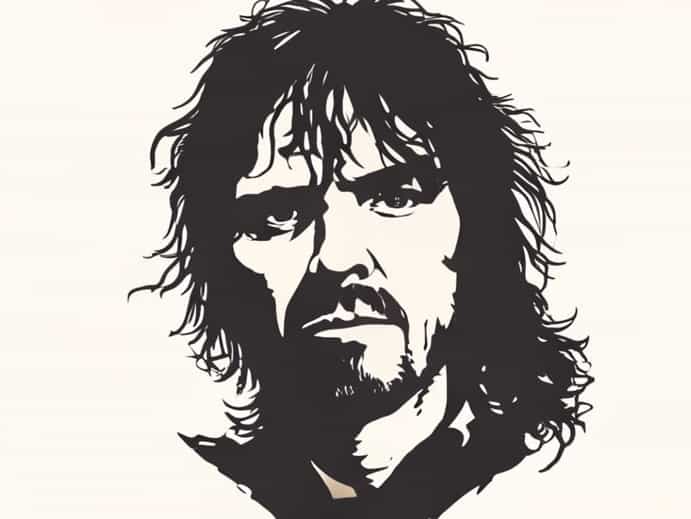
John Bonham’s drumming on Led Zeppelin’s When the Levee Breaks is often hailed as one of the most iconic performances in rock history. Released on their 1971 album Led Zeppelin IV, the song features Bonham’s thunderous drumming that has influenced countless musicians and producers for decades. His innovative use of rhythm, dynamics, and recording techniques created a sound that is instantly recognizable, blending power, precision, and groove. Understanding John Bonham’s approach to this track reveals not only his technical skill but also his creativity in the studio, making When the Levee Breaks a timeless masterpiece.
Background of When the Levee Breaks
Originally written and recorded by Memphis Minnie and Kansas Joe McCoy in 1929, When the Levee Breaks was a blues song inspired by the Great Mississippi Flood. Led Zeppelin reimagined the track, transforming it into a hard rock epic with a signature heavy groove. John Bonham’s drumming plays a central role in this transformation, providing a foundation for Robert Plant’s vocals, Jimmy Page’s guitar riffs, and John Paul Jones’ bass lines. Bonham’s performance elevated the song beyond a cover, turning it into a unique and influential recording.
The Recording Process
The recording of Bonham’s drum performance on When the Levee Breaks is legendary in its own right. Producer Andy Johns set up the drums in the lobby of Headley Grange, a Victorian-era house in England, to take advantage of the natural reverb. Bonham played a Ludwig drum kit with heavy-duty skins and was mic’d using a combination of ambient and close microphones. This setup created a massive, cavernous drum sound that became the hallmark of the track.
- Use of ambient mics captured the natural echo and depth of the space.
- Close mics recorded the detailed attack of Bonham’s kick, snare, and toms.
- Innovative mixing techniques enhanced the power of the drums while retaining clarity.
The resulting drum sound was unlike anything heard before, providing a blueprint for future rock and even hip-hop production. The track’s drum loop has been sampled extensively in modern music, highlighting its enduring influence.
John Bonham’s Drumming Style on the Track
Bonham’s drumming on When the Levee Breaks demonstrates his mastery of timing, dynamics, and groove. The intro drum pattern, with its heavy, hypnotic beat, sets the tone for the entire song. Bonham’s ability to maintain a steady, driving rhythm while adding subtle ghost notes and accents showcases his technical prowess.
Signature Techniques
Several aspects of Bonham’s drumming make his performance on this track stand out
- Powerful kick drumBonham’s use of the bass drum creates a deep, resonant pulse that drives the song forward.
- Snare accentsHis snare hits are strong and precise, adding punch and definition to each beat.
- Dynamic tom workBonham uses toms to create a rolling, wave-like effect, enhancing the song’s intensity.
- Minimal cymbal useBy limiting cymbal crashes, Bonham keeps the focus on the low-end power of the drums.
These techniques combine to produce a rhythm that is both heavy and hypnotic, demonstrating why Bonham is considered one of the greatest drummers of all time.
Impact and Influence
John Bonham’s work on When the Levee Breaks has had a profound influence on rock, metal, and beyond. Drummers and producers continue to study and emulate his techniques, from the ambient recording methods to the powerful rhythmic patterns. The track has been sampled by numerous hip-hop artists, electronic musicians, and rock bands, proving that Bonham’s sound transcends genre and era.
Legacy in Modern Music
The drum loop from When the Levee Breaks is one of the most sampled pieces in music history. Artists such as Beastie Boys, Dr. Dre, and Massive Attack have incorporated elements of Bonham’s drumming into their own work. This enduring relevance demonstrates the innovative nature of his performance and the timeless quality of the track.
- Sampling in hip-hop tracks for its heavy, punchy groove.
- Influence on rock drummers seeking powerful and dynamic drum sounds.
- Educational reference for drum students studying dynamics, groove, and recording techniques.
John Bonham’s Musical Genius
Beyond the technical aspects, Bonham’s drumming on When the Levee Breaks reflects his musical intuition and creativity. He understood how to use space, timing, and dynamics to serve the song rather than simply showcasing skill. This balance between technical mastery and musicality is a hallmark of Bonham’s career and one reason why Led Zeppelin’s recordings remain influential decades later.
Integration with Other Instruments
Bonham’s drumming is perfectly integrated with the other elements of the track. Jimmy Page’s slide guitar and John Paul Jones’ bass provide harmonic and rhythmic support, while Robert Plant’s vocals ride the drum groove seamlessly. This interplay demonstrates the collaborative nature of Led Zeppelin’s music and highlights Bonham’s ability to adapt his playing to enhance the overall sound.
John Bonham’s performance on When the Levee Breaks is a masterclass in drumming, studio innovation, and musical expression. From the powerful kick drum and rolling toms to the ambient recording techniques, every element of his work contributes to the song’s enduring impact. Bonham’s influence continues to resonate in modern music, inspiring drummers, producers, and musicians across genres. Understanding his approach to this track provides insight into why Led Zeppelin remains one of the most celebrated bands in rock history and why John Bonham is remembered as one of the greatest drummers of all time. When the Levee Breaks is more than just a song; it is a testament to Bonham’s genius and a benchmark for drummers everywhere.