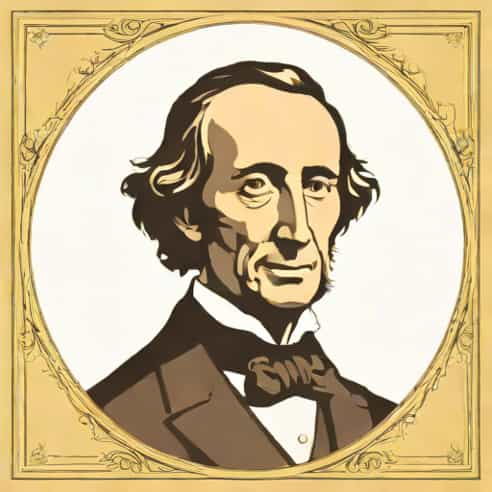
John Stuart Mill and Alexis de Tocqueville are two towering figures in the history of political thought, both having made significant contributions to the understanding of democracy, liberty, and society. While they lived in different countries and times, Mill in England and Tocqueville in France and the United States, their writings offer profound insights into the nature of political institutions, individual freedoms, and the dynamics of social change. Both thinkers were concerned with the balance between liberty and equality, the role of public opinion, and the potential threats posed by majority rule, making their work deeply relevant to contemporary discussions of democracy and civil society.
John Stuart Mill Liberty and Individual Freedom
John Stuart Mill, a British philosopher and political economist of the 19th century, is best known for his seminal work, On Liberty, published in 1859. Mill argued passionately for individual freedom, emphasizing the importance of protecting personal liberty from the encroachments of both government and society. He believed that individuals should have the freedom to think, speak, and act as they choose, provided they do not harm others. This principle, often referred to as the harm principle, became a cornerstone of liberal political theory.
Mill’s Concerns about Majority Rule
Although Mill supported representative democracy, he warned about the tyranny of the majority, where popular opinion could suppress minority voices and individuality. He argued that the public’s pressure could lead to conformity, stifling creativity, dissent, and moral development. Mill emphasized the role of education, critical thinking, and free debate in safeguarding personal freedom and ensuring that democratic society remains vibrant and just. His ideas continue to influence discussions on free speech, civil liberties, and the role of government in modern democracies.
Alexis de Tocqueville Democracy and Society
Alexis de Tocqueville, a French political thinker and historian, is best known for his book Democracy in America, published in two volumes in 1835 and 1840. Tocqueville traveled to the United States to study its political and social systems and produced one of the most insightful analyses of democracy and civil society in the modern era. He examined the strengths and weaknesses of democratic institutions, paying particular attention to equality, civic engagement, and the social effects of democracy on individuals and communities.
Tocqueville on the Tyranny of the Majority
Similar to Mill, Tocqueville expressed concern about the potential for majority rule to become oppressive. He observed that in a democratic society, the majority could impose its will on minorities, suppress dissent, and limit individual freedom. Tocqueville stressed the importance of civil associations, local governance, and an active civic life as mechanisms to prevent the concentration of power and protect individual liberty. His observations highlighted the need for a balance between equality and freedom in a democratic system.
Comparative Analysis Mill and Tocqueville
Both Mill and Tocqueville were deeply concerned with the relationship between democracy and individual liberty, but they approached the subject from different perspectives. Mill focused more on philosophical principles and normative arguments about freedom, morality, and self-development, whereas Tocqueville emphasized empirical observation and historical analysis. Mill’s work provides a framework for thinking about the moral and intellectual foundations of liberty, while Tocqueville offers insights into the practical functioning of democratic institutions and the social dynamics of equality.
Shared Themes
- Tyranny of the majority Both thinkers warned that democratic societies could suppress minority opinions and individuality.
- Importance of civic engagement Tocqueville emphasized associations and civic institutions, while Mill highlighted free debate and education.
- Balance between liberty and equality Both recognized that democracy requires careful management to protect freedom while promoting social equality.
- Role of public opinion Both noted that societal pressure can limit personal freedom even without formal government intervention.
Mill’s Emphasis on Individual Development
Mill placed great importance on individuality as a central component of human well-being. He argued that personal freedom and self-expression are essential for intellectual and moral growth. By allowing individuals to experiment with different ways of life, society benefits from diversity, creativity, and innovation. Mill believed that the suppression of individuality not only harms the individual but also diminishes society as a whole, as it loses the contributions of diverse perspectives and talents.
Tocqueville’s Social Observations
Tocqueville, in contrast, focused on the collective effects of democracy on society. He observed that the pursuit of equality in democratic societies could lead to conformity and mediocrity, as individuals might prioritize social approval over independent thought. Tocqueville warned that the soft despotism of social norms could be just as restrictive as formal government control. He stressed the importance of local communities, civil associations, and active citizen participation as a way to cultivate civic virtue and prevent the erosion of freedom.
Influence on Modern Political Thought
The ideas of John Stuart Mill and Alexis de Tocqueville continue to resonate in contemporary political discourse. Mill’s writings on liberty inform debates on free speech, individual rights, and the limits of government intervention. Tocqueville’s insights into democracy, civic engagement, and social equality remain influential in understanding the challenges faced by modern democratic states. Together, their work provides a rich intellectual foundation for examining the interplay between freedom, equality, and societal well-being.
Applications Today
- Constitutional design Both thinkers influence the crafting of institutions that protect individual rights while maintaining democratic accountability.
- Free speech and civil liberties Mill’s harm principle continues to guide discussions on the limits of expression.
- Civic participation Tocqueville’s emphasis on associations and community engagement informs policies to strengthen civil society.
- Minority rights Their concerns about majority rule remain relevant in ensuring protections for vulnerable groups in democratic systems.
John Stuart Mill and Alexis de Tocqueville are two of the most important voices in the study of democracy, liberty, and society. While Mill focused on philosophical principles and the protection of individual freedom, Tocqueville offered keen observations on the social and political dynamics of democracy. Both were concerned about the potential tyranny of the majority and the importance of civic engagement. Their combined insights provide a comprehensive understanding of how democratic societies function, highlighting the delicate balance between liberty and equality. Studying Mill and Tocqueville today allows us to appreciate the enduring relevance of their ideas in navigating the complexities of modern democracy and ensuring that individual rights and societal well-being are preserved.