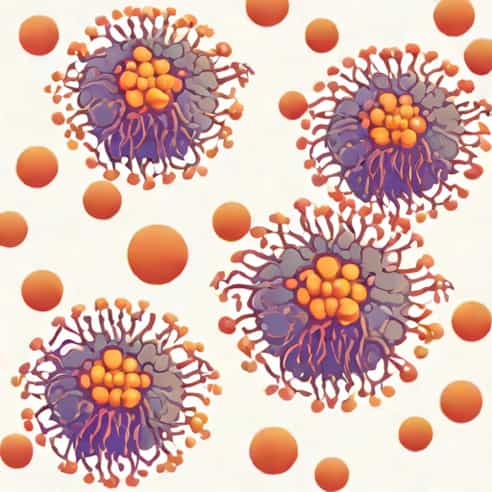
Inside the human body, a complex army of cells constantly guards against harmful invaders. Among these defenders are special white blood cells, known as leukocytes, that engulf or eat pathogens such as bacteria, viruses, and fungi. This process, called phagocytosis, is one of the most crucial mechanisms of the immune system. These cells act like vigilant janitors, cleaning up infections and keeping tissues healthy. Understanding how leukocytes function gives insight into how our bodies fight diseases and maintain balance in the face of constant microbial threats.
What Are Leukocytes?
Leukocytes, or white blood cells, are an essential component of the immune system. Unlike red blood cells that carry oxygen, leukocytes are primarily responsible for defending the body against infection and foreign substances. They are produced in the bone marrow and found circulating in the blood and lymphatic system. Leukocytes can move through the walls of capillaries into tissues, where they detect and destroy invading pathogens.
There are several types of leukocytes, each with specific functions. Some are directly involved in engulfing pathogens, while others coordinate immune responses or produce antibodies. The key leukocytes that eat pathogens are known as phagocytes. These include neutrophils, monocytes, and macrophages. Together, they form the body’s first line of defense against infection.
The Process of Phagocytosis
Phagocytosis is the process by which certain leukocytes identify, engulf, and destroy harmful microorganisms or debris. This process involves several steps that occur rapidly when infection strikes
- Recognition and AttachmentThe phagocytic cell detects the pathogen through specific receptors that bind to molecules on the surface of bacteria or other foreign ptopics.
- EngulfmentOnce attached, the cell membrane extends around the pathogen, enclosing it within a bubble-like structure called a phagosome.
- DigestionThe phagosome fuses with lysosomes, which contain digestive enzymes. Together, they break down the pathogen into harmless components.
- ExcretionThe remains of the destroyed pathogen are expelled from the cell, completing the process.
This entire mechanism is highly efficient and forms the basis of the innate immune response, which acts quickly and non-specifically against a wide range of threats.
Types of Leukocytes That Engulf Pathogens
Not all leukocytes perform the same job. Those that specialize in engulfing and digesting pathogens are known as phagocytic leukocytes. Each type plays a unique role in the body’s immune defense.
Neutrophils
Neutrophils are the most abundant type of white blood cells, accounting for up to 70% of all leukocytes in the blood. They are the first responders to an infection site. When bacteria invade, neutrophils quickly move from the bloodstream into the affected tissue through a process called chemotaxis. Once there, they engulf and destroy microbes using powerful enzymes and reactive oxygen species.
Despite their effectiveness, neutrophils have a short lifespan typically only a few hours after fighting infection. They die after destroying pathogens, forming pus in infected areas. Their rapid response and aggressive defense make them vital for controlling bacterial infections before they spread.
Monocytes and Macrophages
Monocytes circulate in the blood and are larger than neutrophils. When they leave the bloodstream and enter tissues, they mature into macrophages. Macrophages are long-lived cells that not only engulf pathogens but also clear dead cells and debris. They act as both defenders and cleanup crews.
Macrophages play an essential role in both innate and adaptive immunity. After digesting pathogens, they present fragments of these invaders on their surface to alert other immune cells, especially lymphocytes. This process, known as antigen presentation, helps initiate a more specific and long-term immune response.
Dendritic Cells
Dendritic cells share similarities with macrophages. They are found mainly in tissues that are in contact with the external environment, such as the skin, lungs, and intestinal lining. While they can engulf pathogens, their main function is to process and present antigens to T cells. By doing this, they bridge the gap between innate and adaptive immunity, helping the body recognize and remember specific pathogens for future defense.
How Leukocytes Recognize Pathogens
The ability of leukocytes to distinguish harmful invaders from the body’s own cells is vital. They achieve this through special receptors known as pattern recognition receptors (PRRs). These receptors identify molecules that are common to many pathogens but absent in human cells, such as bacterial cell wall components or viral RNA.
When these receptors detect danger signals, they trigger immune responses. Chemical messengers called cytokines are released, signaling other immune cells to join the defense. This coordinated response ensures that infections are contained and eliminated efficiently.
The Role of Leukocytes in Inflammation
When leukocytes detect pathogens, they often trigger inflammation a protective response that involves redness, heat, swelling, and pain. Inflammation helps isolate the infection and brings more immune cells to the affected area. During this process, blood vessels become more permeable, allowing leukocytes to move into tissues easily.
Neutrophils are usually the first to arrive, followed by monocytes and macrophages. These cells not only attack pathogens but also release signaling molecules that help repair damaged tissues. Once the infection is cleared, the immune system suppresses inflammation to restore normal function. However, if inflammation persists, it can lead to tissue damage and chronic diseases.
Importance of Phagocytic Leukocytes in Health
Without phagocytic leukocytes, the human body would be defenseless against constant exposure to microbes. These cells play critical roles in
- Preventing infectionsThey rapidly destroy invading bacteria and fungi before they multiply.
- Healing woundsBy removing dead cells and debris, they allow tissues to regenerate properly.
- Supporting adaptive immunityThey communicate with other immune cells to create long-term protection.
- Maintaining tissue homeostasisThey help balance immune activity and prevent excessive inflammation.
When the number or function of these cells is compromised, the body becomes vulnerable to infections. Conditions such as neutropenia (low neutrophil count) or immune deficiency disorders can lead to severe and recurrent infections.
Disorders Related to Phagocytosis
Several medical conditions arise when leukocytes fail to perform effective phagocytosis. Chronic Granulomatous Disease (CGD) is one example, where genetic defects prevent phagocytes from producing reactive oxygen species needed to kill pathogens. As a result, individuals with CGD suffer from frequent bacterial and fungal infections.
Another condition, Leukocyte Adhesion Deficiency (LAD), impairs the ability of leukocytes to move toward infection sites. This leads to delayed wound healing and persistent infections. Studying these disorders helps scientists understand how vital these immune cells are in protecting the body.
Boosting the Body’s Defense System
Maintaining a strong immune system supports the activity of leukocytes. A balanced diet rich in vitamins A, C, and E, adequate sleep, and regular exercise all contribute to immune health. Avoiding smoking, reducing stress, and staying hydrated also help leukocytes function optimally. Vaccinations further strengthen immune memory, enabling phagocytic cells to respond faster when pathogens appear.
Leukocytes that engulf pathogens are the body’s frontline defenders against infection. Through the process of phagocytosis, they capture, digest, and destroy harmful microbes that threaten health. Neutrophils, macrophages, and dendritic cells work together not only to eliminate invaders but also to communicate with other immune components for long-term protection. Their coordinated action illustrates the remarkable efficiency of the human immune system. Understanding how these leukocytes function deepens our appreciation of the body’s natural defenses and underscores the importance of maintaining a strong immune system to stay healthy throughout life.