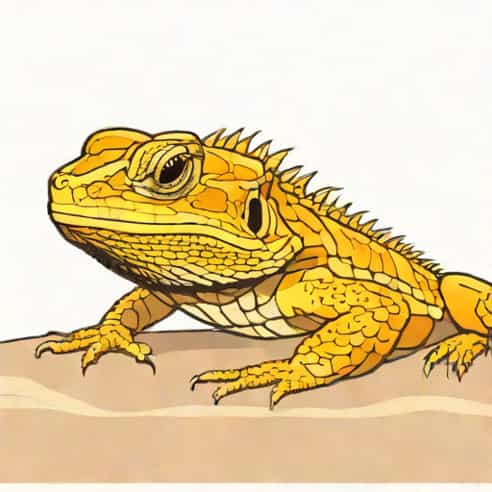
Bearded dragons have become one of the most popular pet reptiles thanks to their calm temperament, expressive behavior, and manageable size. Many new keepers want to understand how long a bearded dragon can live in captivity and what factors influence its lifespan. With proper care, these reptiles can live far longer than most people expect, and knowing what contributes to their longevity helps owners provide a healthier, happier life for their pets.
Average Lifespan of Bearded Dragons in Captivity
In captivity, the average lifespan of a bearded dragon typically ranges from 8 to 12 years. Under excellent care, some individuals may live up to 15 years or more. These numbers are significantly higher than the lifespan of wild bearded dragons, which often face predators, food shortages, and harsh environmental conditions.
Captive bearded dragons benefit from stable temperatures, regular feeding, veterinary care, and protection from threats. Because of this, understanding how to optimize their environment is essential for promoting long life.
Key Factors Affecting Lifespan
1. Diet and Nutrition
Nutrition plays a major role in the longevity of bearded dragons. In captivity, providing a balanced diet that mimics natural feeding habits helps support strong bones, a healthy metabolism, and stable energy levels. Bearded dragons are omnivores, meaning they need both plant-based foods and protein sources.
- Offer a mix of leafy greens such as collard greens, mustard greens, and dandelion greens.
- Provide vegetables like squash, bell peppers, and carrots in moderation.
- Include live insects such as dubia roaches, crickets, or mealworms, especially for juveniles.
- Use calcium and multivitamin supplements to prevent metabolic bone disease.
A poor diet or improper supplementation can drastically shorten the lifespan of bearded dragons, so consistent nutritional care is essential.
2. Lighting and Heating
Proper lighting is one of the most critical elements in supporting long-term health. Bearded dragons require UVB lighting to process calcium and prevent severe health issues. Without sufficient UVB exposure, they may develop bone deformities, weakness, or organ damage.
Temperature gradients are also important. Providing a basking spot around recommended temperatures helps maintain digestion and overall activity. The cool side should be comfortable enough for the dragon to regulate its body temperature. Heat and UVB bulbs should be replaced on a schedule, even if they still appear functional, because their output weakens over time.
3. Enclosure Size and Environment
A spacious enclosure contributes to longer lifespan by promoting natural movement and reducing stress. Adult bearded dragons generally require tanks of at least 40 gallons, with larger enclosures being even better. A well-designed habitat includes
- A warm basking area.
- A cooler retreat zone.
- Climbing branches or rocks.
- A substrate that is easy to clean and safe.
Environmental enrichment encourages mental stimulation and physical exercise, both of which can positively influence lifespan.
4. Stress Levels and Handling
Bearded dragons are known for being relatively tolerant of handling, but chronic stress can still shorten their lifespan. Stress may come from improper temperatures, loud noises, frequent changes in routine, or rough handling. Learning to observe your dragon’s body language helps you understand when it needs rest or environmental adjustments.
Regular gentle handling strengthens trust and keeps the dragon socialized, but always respect signs of discomfort.
5. Genetics and Early Life Conditions
Genetics play a role in determining how long a bearded dragon may live. Dragons bred responsibly tend to exhibit stronger health and resilience. Early conditions such as incubation temperatures, diet during early growth, and care provided during the first few months of life also influence overall longevity.
6. Veterinary Care
Routine checkups with a reptile veterinarian help identify health issues early. Conditions like parasites, respiratory infections, or malnutrition can worsen quickly without intervention. Regular examinations, fecal tests, and discussions about husbandry ensure that owners remain informed about best practices.
Signs of a Healthy, Long-Lived Bearded Dragon
Bearded dragons that enjoy a longer lifespan typically show clear signs of good health. These signs include
- Bright, alert eyes.
- Consistent appetite appropriate for age.
- Smooth movements without stiffness.
- Strong grip and active behavior.
- Healthy skin with regular shedding patterns.
Observing your dragon every day helps you detect changes early and respond appropriately.
Common Health Issues That Affect Lifespan
Metabolic Bone Disease
Metabolic bone disease is one of the most common conditions that shortens the lifespan of bearded dragons in captivity. It often results from improper calcium supplementation or inadequate UVB exposure. Symptoms may include weakness, trembling limbs, and difficulty walking. Early intervention and proper husbandry can prevent this condition.
Respiratory Infections
Respiratory infections occur when humidity levels are too high or temperatures are inconsistent. Dragons may show signs such as wheezing, mucus, or difficulty breathing. Immediate veterinary care is important to prevent complications.
Obesity
When bearded dragons consume too many fatty insects or are not given opportunities to exercise, obesity can develop. Extra weight puts stress on organs and joints, reducing overall lifespan. A balanced diet and a properly designed habitat help prevent this issue.
Parasites
Internal and external parasites can significantly impact a bearded dragon’s health if left untreated. Regular fecal tests and enclosure cleaning are simple ways to reduce these risks. Symptoms may include weight loss, lethargy, or diarrhea.
Tips to Extend Your Bearded Dragon’s Lifespan
Owners can actively contribute to long-term health by providing consistent and informed care. Some effective strategies include
- Maintaining high-quality UVB lighting and replacing bulbs on schedule.
- Feeding a balanced diet with appropriate supplements.
- Cleaning the enclosure regularly to prevent bacteria and parasites.
- Offering space for climbing and movement.
- Scheduling annual veterinary checkups.
- Monitoring temperature and humidity levels daily.
The lifespan of a bearded dragon in captivity depends heavily on the quality of care it receives. By focusing on proper lighting, nutrition, enclosure setup, and overall health management, owners can support a long, comfortable, and fulfilling life for their pet. Bringing one of these reptiles into your home means committing to years of attentive care, but the reward is a loyal and fascinating companion that can thrive for more than a decade.