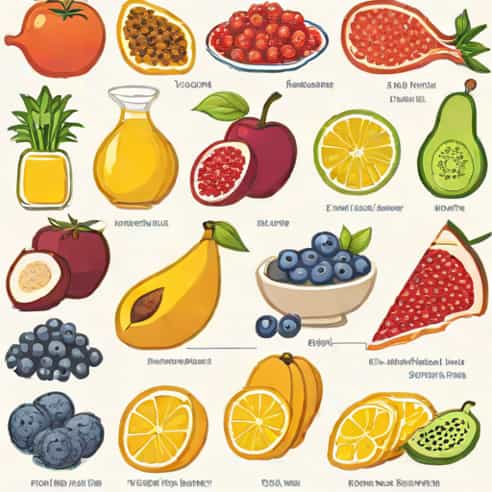
Antioxidants are compounds found in various foods that help protect the body from oxidative stress, which can damage cells and contribute to aging and chronic diseases. Incorporating antioxidant-rich foods into your diet is an effective way to boost overall health, support the immune system, and reduce the risk of illnesses such as heart disease, diabetes, and certain types of cancer. These foods contain vitamins, minerals, and plant-based compounds that neutralize free radicals, helping maintain cellular health and overall well-being. By focusing on a variety of colorful fruits, vegetables, nuts, and other nutrient-dense options, you can maximize the benefits of antioxidants in your daily diet.
Understanding Antioxidants
Antioxidants are molecules that inhibit the oxidation of other molecules in the body. Oxidation is a natural chemical reaction that produces free radicals, which are unstable atoms that can damage cells. When free radicals accumulate, they contribute to inflammation, aging, and the development of chronic diseases. Antioxidants neutralize free radicals, thereby reducing oxidative stress and supporting overall health. Common antioxidants include vitamins C and E, selenium, flavonoids, and carotenoids, all of which are abundant in plant-based foods.
Health Benefits of Antioxidant Foods
Eating a diet rich in antioxidant foods can have numerous health benefits, including
- Protecting cells from damage caused by free radicals
- Supporting a healthy immune system
- Reducing inflammation throughout the body
- Lowering the risk of chronic diseases such as heart disease, cancer, and diabetes
- Promoting healthy skin and slowing the signs of aging
- Enhancing cognitive function and brain health
Fruits High in Antioxidants
Fruits are among the richest sources of antioxidants. Many fruits are naturally colorful, indicating a high content of protective compounds. Some of the top antioxidant-rich fruits include
Berries
Berries are particularly high in antioxidants, including anthocyanins, vitamin C, and flavonoids. Popular options include
- Blueberries
- Strawberries
- Raspberries
- Blackberries
- Cranberries
Other Fruits
In addition to berries, other fruits provide significant antioxidant benefits. These include
- Cherries
- Grapes, especially red and purple varieties
- Apples, particularly with the skin on
- Pomegranates
- Citrus fruits like oranges, lemons, and grapefruits
- Mangoes
Vegetables Rich in Antioxidants
Vegetables are also key sources of antioxidants, providing vitamins, minerals, and phytonutrients. The most potent antioxidant vegetables are often colorful and nutrient-dense
Leafy Greens
Leafy greens are abundant in carotenoids, vitamin C, and other antioxidants. Examples include
- Spinach
- Kale
- Swiss chard
- Collard greens
Cruciferous Vegetables
Cruciferous vegetables contain antioxidants like sulforaphane and indoles, which are associated with anti-cancer properties. These include
- Broccoli
- Cauliflower
- Brussels sprouts
- Cabbage
Other Colorful Vegetables
Vibrant vegetables are often high in carotenoids and flavonoids, offering additional antioxidant benefits
- Carrots
- Red, yellow, and orange bell peppers
- Tomatoes
- Beets
- Sweet potatoes
Nuts, Seeds, and Legumes
Nuts, seeds, and legumes are not only good sources of protein and healthy fats but also provide antioxidants like vitamin E, selenium, and polyphenols. Examples include
- Almonds
- Walnuts
- Pecans
- Sunflower seeds
- Chia seeds
- Flaxseeds
- Black beans
- Kidney beans
Herbs, Spices, and Teas
Herbs and spices are concentrated sources of antioxidants, often providing higher levels than common fruits and vegetables. Common antioxidant-rich herbs and spices include
- Turmeric, containing curcumin
- Ginger
- Cinnamon
- Oregano
- Thyme
- Cloves
- Green tea and black tea
Other Antioxidant Foods
Several other foods contribute to antioxidant intake, complementing fruits, vegetables, nuts, and spices
- Dark chocolate, which contains flavonoids
- Red wine in moderation, rich in resveratrol
- Whole grains like oats and quinoa, containing selenium and polyphenols
- Olive oil, particularly extra virgin, with phenolic compounds
- Seafood such as salmon and mackerel, containing astaxanthin
Tips for Maximizing Antioxidant Intake
Incorporating antioxidant foods into your diet is simple with a few practical strategies
- Eat a variety of colorful fruits and vegetables every day to maximize nutrient diversity.
- Include nuts and seeds as snacks or toppings for salads and yogurt.
- Use herbs and spices liberally in cooking to boost flavor and antioxidant content.
- Opt for whole grains over refined grains for added antioxidants.
- Enjoy moderate amounts of antioxidant-rich beverages like green tea or red wine.
- Choose minimally processed foods to preserve their natural antioxidants.
Antioxidant foods play a crucial role in supporting overall health and protecting the body from oxidative stress. By including a wide variety of fruits, vegetables, nuts, seeds, legumes, herbs, and other nutrient-dense foods, you can maximize your intake of vitamins, minerals, and phytonutrients that help fight free radicals. Regular consumption of these foods can improve immune function, reduce inflammation, promote healthy aging, and lower the risk of chronic diseases. Maintaining a colorful, balanced diet rich in antioxidants is a practical and effective strategy for enhancing long-term health and well-being.