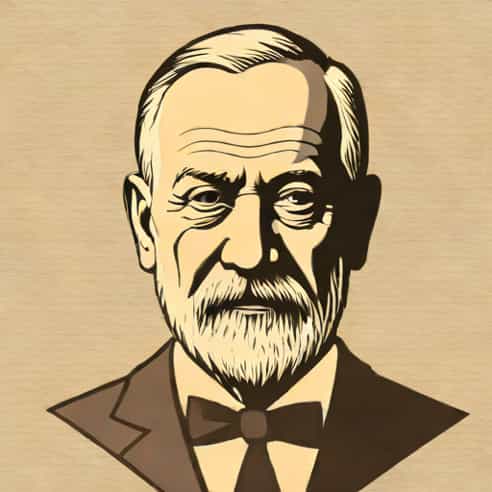
The case of Little Hans is one of the most famous and influential studies in the history of psychology, conducted by Sigmund Freud in the early 20th century. This case offered significant insights into the development of childhood phobias, the role of the unconscious mind, and Freud’s theories of psychosexual development. Little Hans, a young boy who experienced an intense fear of horses, became a central figure in Freud’s exploration of the Oedipus complex and the formation of phobias in children. The study remains a cornerstone for understanding the practical application of psychoanalytic theory in developmental psychology.
Background of Little Hans
Little Hans, whose real name was Herbert Graf, was a five-year-old boy living in Vienna, Austria, when he developed a phobia of horses. His father, a follower of Freud, recorded detailed observations of Hans’ behaviors, fears, and dreams, which were later analyzed by Freud. The case began in 1907 when Hans developed an intense fear that horses would bite him. This fear escalated when he observed horses pulling heavy carts or falling in the street, which Hans interpreted as a potential threat to his safety. Freud used these observations to study the boy’s unconscious fears, family dynamics, and early sexual development.
Freud’s Psychoanalytic Perspective
Sigmund Freud interpreted Little Hans’ fear of horses as a manifestation of deeper unconscious conflicts. According to Freud, the horse phobia symbolized Hans’ repressed anxiety about his father and his Oedipal feelings. Freud suggested that Hans’ fear of being bitten by a horse represented his fear of castration, a central concept in the Oedipus complex. In this complex, a child develops subconscious sexual desires for the opposite-sex parent while feeling rivalry toward the same-sex parent. Freud’s analysis of Little Hans highlighted the intricate connections between early childhood experiences, familial relationships, and the formation of phobias.
The Oedipus Complex in Little Hans
One of the key elements of Freud’s interpretation of Little Hans’ phobia was its connection to the Oedipus complex. Hans was said to experience unconscious desires for his mother and jealousy toward his father. Freud believed that the fear of horses symbolized Hans’ fear of punishment from his father for these forbidden desires. The horse’s large size and prominent features were interpreted as a representation of the father figure, and Hans’ anxiety reflected the internal struggle between desire and guilt. This case demonstrated Freud’s theory that childhood phobias often serve as outlets for unconscious conflicts.
Key Observations and Dreams
Hans’ father meticulously documented his son’s behavior, including his interactions with horses, his reactions to cartoons and stories, and his dreams. Some notable observations included Hans’ reluctance to approach horses, his insistence on avoiding them in the street, and his fascination with small toy horses. Hans also expressed concern that his mother would be harmed if he did not behave properly. These behavioral patterns and dreams were critical for Freud to analyze the underlying unconscious fears and desires shaping Hans’ phobia. The observations also allowed Freud to demonstrate the therapeutic potential of careful parental involvement guided by psychoanalytic principles.
Therapeutic Approach and Resolution
Freud used the case of Little Hans to illustrate how psychoanalytic intervention could help children confront and resolve their phobias. By interpreting Hans’ fears and connecting them to unconscious desires, Freud provided guidance to the boy’s father on how to respond to his son’s anxieties. Gradually, Hans’ phobia decreased as he gained insight into his fears, and he learned to differentiate between real threats and symbolic representations of internal conflicts. This case highlighted the importance of early parental support and psychoanalytic techniques in addressing childhood anxiety and phobias.
Impact on Child Psychology
The Little Hans case had a profound impact on the study of child psychology and psychoanalysis. It provided empirical support for Freud’s theories of the Oedipus complex, repression, and symbolic representation in childhood fears. The case also demonstrated the utility of detailed observational methods in understanding children’s emotional and psychological development. Subsequent researchers and clinicians used similar approaches to study phobias, anxiety disorders, and the influence of family dynamics on child behavior. Little Hans became a classic example of the integration of theory, observation, and therapeutic practice in psychoanalysis.
Criticisms and Limitations
Despite its historical significance, the Little Hans case has faced criticism over the years. Some psychologists argue that Freud’s interpretations were highly subjective and relied heavily on symbolic analysis rather than objective evidence. The role of Hans’ father as both observer and facilitator of Freud’s analysis has also raised questions about potential bias and influence on the child’s responses. Additionally, modern perspectives on childhood phobias suggest that multiple factors, including biological, social, and environmental influences, may contribute to phobia development beyond the Oedipal framework. Nonetheless, the case remains an essential reference for understanding early psychoanalytic thought and methodology.
Legacy of the Little Hans Case
The case of Little Hans continues to be studied in psychology, psychiatry, and psychoanalysis courses worldwide. It exemplifies Freud’s innovative approach to exploring the unconscious mind and applying psychoanalytic theory to real-life situations. The detailed documentation of Hans’ fears, behaviors, and dreams provides valuable insights into the intersection of development, family dynamics, and mental health. Despite criticisms, the case paved the way for further research into childhood anxiety, phobias, and the application of psychoanalytic methods in therapy.
Little Hans, as analyzed by Sigmund Freud, remains one of the most significant cases in the history of psychoanalysis. Through the detailed study of a young boy’s phobia of horses, Freud explored the complex interplay between unconscious desires, family relationships, and childhood fears. The case illustrated key psychoanalytic concepts such as the Oedipus complex, repression, and symbolic representation. While modern psychology has evolved beyond some of Freud’s interpretations, the Little Hans case continues to provide valuable lessons for understanding childhood development, the origins of phobias, and the therapeutic potential of psychoanalysis. It serves as a timeless example of the importance of observation, interpretation, and the careful study of human behavior in psychology.