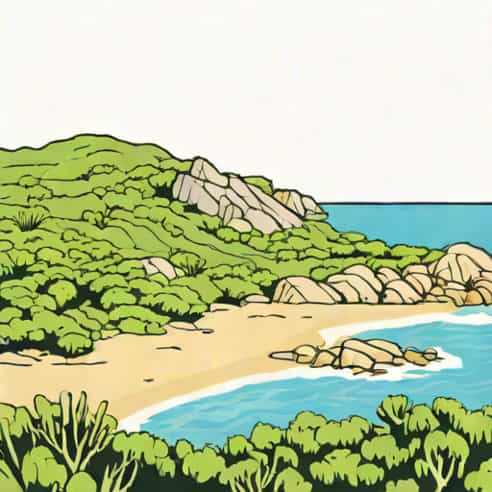
Hidden along the southern coast of Victoria, Australia, Little Waterloo Bay in Wilsons Promontory is a place of breathtaking beauty and peaceful isolation. Known for its turquoise waters, soft white sand, and surrounding granite cliffs, it offers an unforgettable experience for hikers and nature lovers seeking a true escape. Unlike more accessible beaches, Little Waterloo Bay requires effort to reach, making it a reward for those who enjoy adventure and serenity in equal measure. The journey there, and the landscape itself, tell a story of untouched wilderness at the southernmost tip of mainland Australia.
Where Little Waterloo Bay Is Located
Little Waterloo Bay lies within Wilsons Promontory National Park, often called The Prom by locals. It’s located about 200 kilometers southeast of Melbourne and marks one of the southernmost points of mainland Australia. The park itself is famous for its rugged coastline, granite mountains, lush forests, and abundant wildlife. Little Waterloo Bay sits on the eastern side of the Prom, facing Bass Strait, and is surrounded by dramatic natural formations that make it one of the park’s most picturesque destinations.
Access and Trails
Unlike the main beaches near Tidal River, reaching Little Waterloo Bay involves hiking along one of Wilsons Promontory’s more challenging trails. The most popular routes to access it are
- From Telegraph SaddleAbout 12 kilometers one way, passing through Oberon Bay and Halfway Hut.
- From Refuge CoveAround 8 kilometers through coastal bushland and scenic lookout points.
- From Sealers CoveA longer trek combining dense forest, boardwalks, and coastal ridges.
These trails are part of the Wilsons Promontory Southern Circuit, a multi-day hiking route that links some of the most stunning natural locations in the park. Many visitors choose to camp overnight at Little Waterloo Bay before continuing their journey along the coast.
The Beauty of Little Waterloo Bay
What makes Little Waterloo Bay truly remarkable is its sense of seclusion and untouched beauty. The beach curves gently between granite headlands, with crystal-clear waters that glow blue under the sunlight. The sand is fine and white, contrasting sharply with the dark green coastal vegetation and the pink-gray granite rocks. When the tide is low, the bay reveals shallow pools where marine life can often be seen.
Tranquility and Natural Sounds
One of the most striking features of Little Waterloo Bay is the silence. Far from roads and crowds, the only sounds are the waves, the breeze through the tea trees, and the calls of seabirds. At night, the stars fill the sky in a dazzling display, untouched by city lights. For many hikers, this solitude is what makes the long walk worthwhile.
Flora and Fauna Around the Bay
The surrounding area of Little Waterloo Bay is home to a diverse range of Australian wildlife. Hikers often spot wombats, wallabies, echidnas, and various bird species along the trail. In the water, it’s not uncommon to see dolphins, seals, or even the occasional whale passing offshore during migration season. The vegetation includes coastal heathlands, ferns, and eucalyptus forests that thrive in the park’s mild, coastal climate.
Camping at Little Waterloo Bay
For those who wish to stay overnight, there’s a designated campsite located just behind the dunes. Camping here is a special experience, offering a rare chance to wake up to the sound of the ocean in complete isolation. However, visitors need to plan carefully, as the campsite is only accessible on foot and requires a permit from Parks Victoria.
Facilities and Preparation
The campsite is basic, with limited facilities. There are drop toilets, but no fresh water or power. Campers must carry in their own supplies and take all waste out with them. Because of its remote location, preparation is essential
- Bring sufficient water or a filtration system.
- Carry food that’s lightweight and easy to prepare.
- Use proper camping gear suitable for coastal weather.
- Check trail and weather conditions before starting the hike.
Those who come prepared are rewarded with an unparalleled connection to nature and one of the most beautiful campsites in Victoria.
Best Time to Visit Little Waterloo Bay
The best time to visit Little Waterloo Bay is during late spring through early autumn (November to April). During these months, the weather is warmer and the days are longer, making hiking and camping more comfortable. However, summer can bring strong sun and occasional storms, so it’s important to plan carefully and monitor conditions. Winter visits are also possible but come with colder temperatures and higher chances of rain.
Wildlife Seasons
Each season offers its own unique experience. In spring, the surrounding hills burst with wildflowers, while summer often brings more visible marine life near the shore. Autumn offers calm weather and fewer visitors, ideal for solitude. In winter, the bay takes on a wilder, more dramatic appearance as waves crash against the granite rocks.
Activities at Little Waterloo Bay
While the main attraction of Little Waterloo Bay is its remoteness and beauty, there are several activities that visitors can enjoy
- SwimmingThe waters are inviting but can be cold and rough, so caution is advised.
- PhotographyThe contrast of turquoise water, granite rocks, and white sand creates perfect photo opportunities.
- Wildlife watchingEarly mornings and evenings are the best times to see animals in their natural habitat.
- Star gazingWith no light pollution, the night sky at Little Waterloo Bay is breathtaking.
Leave No Trace
Visitors are encouraged to follow the Leave No Trace principles. This means respecting wildlife, staying on marked trails, and packing out all rubbish. Wilsons Promontory is a protected national park, and preserving its pristine condition is vital to ensuring it remains a refuge for both wildlife and future generations of visitors.
Nearby Attractions Within Wilsons Promontory
For those exploring the broader Wilsons Promontory area, several nearby spots complement a visit to Little Waterloo Bay
- Sealers CoveAnother stunning beach accessible by hiking, known for its calm waters and golden sand.
- Refuge CoveA peaceful bay perfect for camping and snorkeling, often used by yacht travelers.
- Mount Oberon SummitOffers panoramic views of Tidal River and the southern coastline of the Prom.
- Squeaky BeachFamous for its fine quartz sand that makes a squeaking sound underfoot.
These destinations can be part of a multi-day trekking circuit that gives hikers a comprehensive experience of Wilsons Promontory’s diverse landscapes.
Why Little Waterloo Bay Stands Out
Among the many beaches of Wilsons Promontory, Little Waterloo Bay stands out for its combination of beauty and isolation. It’s not a place that can be reached by car or easily visited in a single afternoon. The effort required to get there makes it feel like a hidden world reserved for those willing to explore beyond the usual tourist routes. Its natural purity and peaceful atmosphere leave a lasting impression on everyone who visits.
A Place of Reflection
For many, the experience of reaching Little Waterloo Bay is more than just physical. The long hike through forest, over hills, and along the coast creates a sense of accomplishment and deep connection to nature. Sitting on the sand and watching the waves roll in, surrounded by nothing but natural beauty, offers a moment of reflection that’s increasingly rare in modern life.
Little Waterloo Bay in Wilsons Promontory is a hidden treasure that captures the essence of Australia’s wild southern coast. Its untouched beauty, clear waters, and quiet surroundings make it one of the most memorable places in Victoria. Whether you visit as part of a multi-day hike or camp overnight under the stars, it’s a destination that offers both challenge and peace. For those seeking adventure, solitude, and natural wonder, Little Waterloo Bay stands as a perfect reminder of how rewarding it can be to journey off the beaten path.